
Readers were asked a simple question: if you could talk to one animal, which would it be, and the answer was not even close.
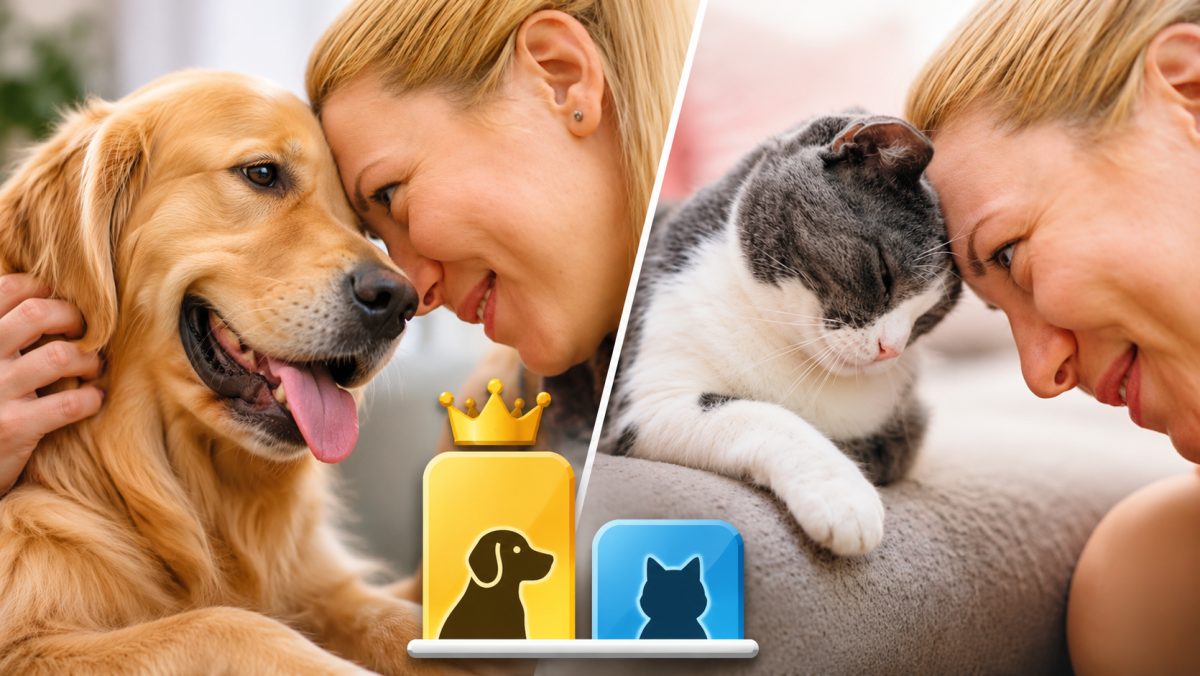
On November 19, 2026, Live Science published the results of a reader poll asking which animals humans want to talk to most, a question inspired by new research from University of California, Berkeley ethologist Julie Elie, who used artificial intelligence and behavioral experiments to decode zebra finch vocalizations. More than 550 readers voted, and dogs won easily with 54% of the vote, while cats came in second at 28%.
Freshwater Reservoir Effect Makes Medieval Skeletons Look Centuries Too Old
Why dogs and cats dominated the animals humans want to talk to poll
The numbers tell a clear story. Dogs and cats together made up 82% of every vote cast, which means readers overwhelmingly picked the animals already sleeping on their couches over anything wild or exotic. Dogs beat cats by 26 percentage points, getting almost twice as many votes. That is a big gap for a poll with over 550 responses.
This was not a scientific survey of the general public. It was a reader poll on a science website, so the results lean toward people who already follow animal news and likely already own pets. Still, the lopsided outcome shows something real. When people imagine finally understanding an animal, they do not dream about decoding whale songs first. They want to know what their own dog or cat is thinking right now.
Most Readers Say Yes to Lucid Dreaming, But Here's Who Said No Thanks
The zebra finch study that sparked the animals humans want to talk to conversation
The poll did not appear out of nowhere. It followed fresh research from Julie Elie, who studies animal behavior at UC Berkeley. Her team used AI combined with controlled behavioral experiments to sort out the different sounds zebra finches make, a small songbird often used in science labs because of how structured its calls and songs are. The goal was not just recording chirps but figuring out what those chirps might actually mean to the birds themselves.
Live Science described the work as bringing scientists one step closer to talking to animals. That phrase matters because it is careful. It does not claim scientists can now have a conversation with a zebra finch. It means researchers found a new way to tell different calls apart and connect them to specific situations or behaviors, which is a meaningful step but not a finished translator.
What readers actually wanted to know about their pets
The comments section revealed something more personal than curiosity about bird science. People wanted answers about their own animals. They wanted to know what their dog remembers, what their cat is actually asking for, and what their pet's daily life feels like from the inside.
One comment stood out above the rest, from a reader who wrote, "I would want to know my horse's backstory." That single line captures something a lot of pet owners feel. Many animals come from somewhere else, through adoption, rescue, or a previous owner, and their early life often stays a mystery. People can read a dog's mood or a cat's body language pretty well after years together, but the past before that relationship started often stays locked away.
Beyond dogs and cats, scientists are chasing animal communication everywhere
The zebra finch research fits into a much bigger scientific push happening right now. Researchers are also working to understand the clicks of sperm whales and the calls of humpback whales, two of the most complex sound systems in the animal kingdom. Even something as familiar as a cat's meow is getting closer scientific attention, since studies show cats change their meows depending on what they want, whether that is food, attention, or just to be let outside.
None of this research has produced a working animal-to-human translator yet. What it has produced is a growing toolkit, mixing AI pattern recognition with old-fashioned behavioral testing, that lets scientists ask better questions about what animal sounds actually do. A chirp or a click might carry more than one piece of information at once, signaling identity, mood, and social context all at the same time, which is part of why this work takes so long to get right.
What happens next for people hoping to talk to animals
Live Science closed its piece by inviting readers to keep sharing which animals they would want to speak with, suggesting this conversation is not over. No new study date, demonstration, or product launch was announced alongside the poll, so for now this remains a mix of real science and public imagination.
The honest takeaway is that the zebra finch work is a genuine step forward in understanding how one small bird species communicates, not a breakthrough that lets anyone chat with their golden retriever tomorrow. But the poll shows exactly where public hope is pointed. People are not waiting on whale researchers or bird labs to satisfy their curiosity. They want to know what is going on inside the heads of the dogs and cats already living in their homes.