
Over 300 people answered one simple question: would you want to control your own dreams if you could learn how?
Live Science asked its readers on November 8, 2026, whether they would train themselves to lucid dream, and the results came back clear. In a follow-up article published November 12, 2026, the site reported that 77% of more than 300 respondents said yes, they would want to try controlling their dreams.
Lucid Dreaming Training Might Actually Teach Your Brain to Wake Up Inside Dreams
Readers overwhelmingly want to try lucid dreaming
The numbers tell a simple story. Out of all the people who voted, 77% picked the option that said, "Yes, I'd want to try to control my dreams." That's a huge majority. It shows that most people who read about sleep science are curious about what happens when you take charge of your own dream world.
Not everyone agreed, though. Seventeen percent of readers said they already lucid dream enough without needing any training. These are people who say the experience just happens to them naturally, often enough that they don't feel like they need to learn special tricks. Then there's a small group on the other end. Three percent said they saw no real point in learning lucid dreaming at all, and another three percent said they simply weren't sure how they felt about it.
Semaglutide Chronic Kidney Disease Study Reveals Surprising Repair Signs
Why lucid dreaming grabs so much attention
Lucid dreaming happens when someone realizes, while they're still asleep, that they're dreaming. Some people who experience this say they can actually shape what happens next in the dream. They might change the setting, talk to dream characters differently, or even fly if they want to. The headline of the Live Science article captured this idea perfectly, describing lucid dreaming as being "like writing and directing your own movie."
Scientists have actually tested this in sleep labs. Researchers have had people signal to them using specific eye movements while the person was still asleep and dreaming. That might sound strange, but it proved something important: lucid dreams can be tracked and confirmed while they're happening, not just remembered afterward.
Readers who commented on the poll brought up their own experiences too. One person described trying something called hypnagogic napping. This is when someone tries to stay a little bit aware while they're drifting off to sleep, right at that fuzzy edge between being awake and being asleep. The article pointed out that this kind of technique has historical roots. Thomas Edison and Salvador Dalí reportedly both used methods built around that same hazy, in-between state of sleep to spark their creative ideas.
The methods people use to try lucid dreaming
Live Science has covered actual techniques for lucid dreaming before, going back to an October 2017 article. One method is called a reality check. This means testing whether you're actually awake, like trying to breathe in while keeping your lips sealed shut, or reading a page of text twice to see if the words change. In a dream, these small tests sometimes give weird results because your sleeping brain doesn't process things the same way. That said, research mentioned by Live Science found that reality checks alone didn't really boost how often people had lucid dreams.
Another approach is called wake-back-to-bed. The idea is to wake up after about five hours of sleep, stay awake for a short while, then go back to sleep. People often pair this with something called MILD, which stands for mnemonic induction of lucid dreams. With MILD, you repeat a phrase to yourself before falling back asleep, something like telling yourself you'll remember you're dreaming once the dream starts.
One study cited by Live Science combined all three techniques together. Over two weeks, participants recalled lucid dreams about 17% of the time. But here's the interesting part: people who fell asleep within five minutes of practicing MILD had a success rate near 46%. That's a big jump, though it came from one specific study and isn't a promise that everyone will get the same results.
What this means beyond just curiosity
This isn't only about fun or creative control. Live Science reported back in February 2020 that some researchers have looked into whether lucid dreaming could help people deal with nightmares. The thinking goes like this: if you can realize you're dreaming during a nightmare, maybe you can change course before it gets too scary, without even waking up.
Researcher Sérgio Arthuro Mota-Rolim, who was quoted in that earlier Live Science piece, described wake-back-to-bed as a way to raise your odds of lucid dreaming, not a guaranteed fix. That matters because lucid dreaming isn't an official medical treatment. Evidence is still limited, and doctors don't prescribe it the way they would prescribe medicine.
Sleep expert Dr. José Pelayo has also weighed in on the topic in earlier Live Science coverage, saying lucid dreaming doesn't seem connected to worse sleep quality, though he noted more research is still needed on the subject.
Where the science goes from here
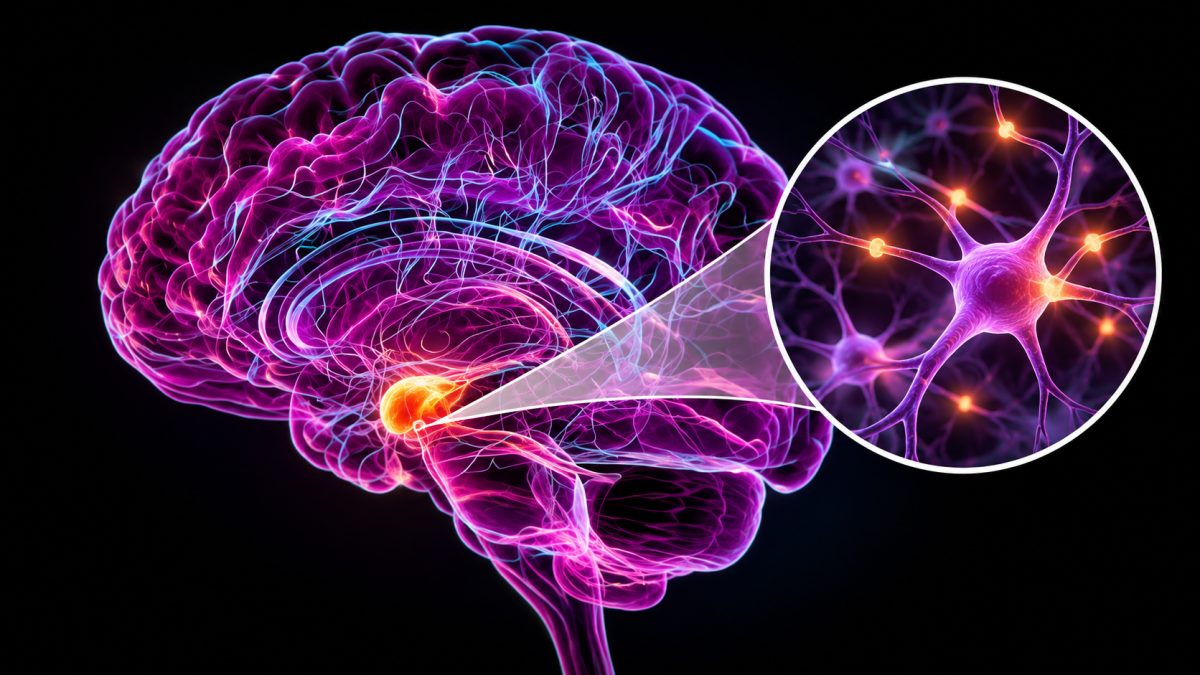
Brain scan studies have shown that lucid dreaming might put the brain in a strange hybrid state. Some signs look like wakefulness, even though the person is still fully asleep. That's part of why scientists keep studying it so closely. It blurs the line between two states we usually think of as completely separate.
For now, there's no new clinical trial or official program announced to teach the public how to lucid dream. What we do have is strong reader interest, a handful of tested techniques with mixed success rates, and ongoing curiosity from scientists about what lucid dreaming could mean for nightmares and sleep health. The poll itself didn't prove anything scientifically, since it was just readers sharing opinions. But it captured something real: most people, given the chance, would love to direct their own dreams like a movie they get to star in.