
A done deal fell apart in less than 24 hours, and now Jim Harbaugh wants the NFL to take a hard look at why.
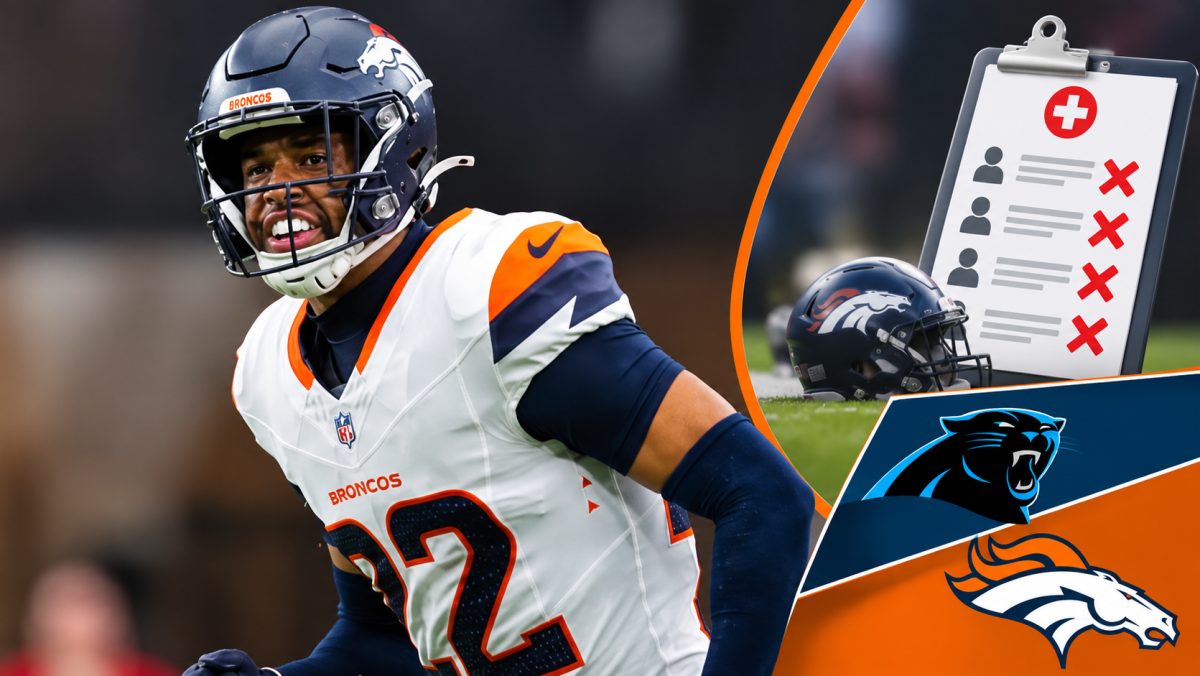
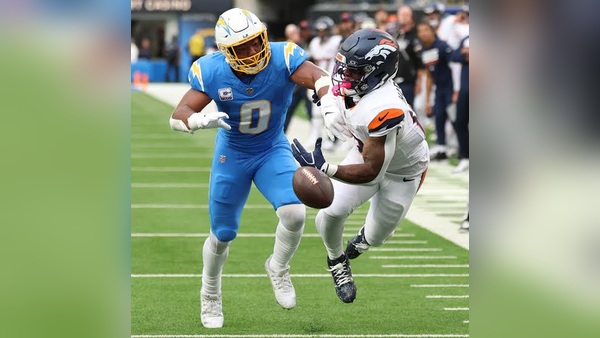
The Daiyan Henley trade between the Los Angeles Chargers and Denver Broncos collapsed late Wednesday, Nov. 11, 2026, after a physical exam flagged a problem with one of Henley's knees, scuttling a deal both AFC West teams had agreed to just a day earlier.
Cowboys vs. Colts November 8 2026: How Dallas Escaped With a 27-23 Win
How the Daiyan Henley trade came together and fell apart
The two division rivals struck their agreement on Tuesday, Nov. 10, ahead of the NFL trade deadline. Denver agreed to send Los Angeles a 2027 fourth-round pick and a 2028 fifth-round pick for Henley, with the deal pending the standard physical exam. On paper, it made sense. The Chargers were off to a winless start, while the Broncos sat atop the AFC West and wanted more depth at linebacker.
Henley showed up at the Broncos facility Wednesday for his physical. That's when things went sideways. Sources told ESPN that doctors found an issue with one of his knees. Late that night, Denver posted a brief statement on social media saying the trade simply "will not be finalized." No detailed medical explanation came with it, leaving fans and reporters to piece together what actually happened.
Travis Etienne Hamstring Injury Update: Saints RB Returns to Practice Vs Panthers
Why the Daiyan Henley trade turned into a bigger fight
It didn't take long for the real story to surface. According to multiple reports, Denver never fully walked away from wanting Henley. Instead, the Broncos came back to Los Angeles with a cheaper offer. Adam Schefter reported that Denver wanted to swap the 2028 fifth-round pick for a seventh-round pick, or adjust the compensation through some other pick change. The Chargers said no. With no new agreement on the table, the whole trade died.
That sequence is exactly what set Harbaugh off. He didn't just call the deal dead, he called out the process behind it. Speaking to reporters Thursday, Harbaugh said Denver's medical team didn't simply fail Henley outright. Instead, the pass or fail decision seemed to hinge on money, or in this case, draft capital. "The Broncos based a pass-fail on a medical grade, based on whether we would take less compensation, and we wouldn't, and we didn't," Harbaugh said.
Harbaugh demands NFL review of the trade physical process
Harbaugh didn't stop at describing what happened. He said the entire setup needs league attention. "In my opinion, it's one of those loopholes that the league should really look into because it sets a bad precedent, continues to set a bad precedent," he said. His frustration centered on one specific point: a team supposedly failing a player's physical, yet still being willing to approve him if the other side agreed to accept less in return.
Asked directly whether it's allowed for a team to renegotiate terms after a deadline deal is in place, Harbaugh didn't hold back. "It shouldn't be, but apparently it is. That's why it's a loophole and teams should not have the ability to do that," he said. He summed up Denver's position in blunt terms, saying the Broncos told the Chargers they "weren't going to pass him if it was a fourth and a fifth," but would clear him for "a fourth and a fill in the blank."
What the failed physical means for both teams going forward
For now, Henley stays put. He remains a Charger, and Los Angeles keeps its linebacker instead of collecting draft compensation. Denver, meanwhile, walks away without the player it clearly still wanted, since the revised offers show the Broncos weren't simply scared off by an injury. They wanted Henley cheaper, not gone entirely.
The Broncos have not issued any public rebuttal to Harbaugh's comments, and there's been no official word from the NFL on whether it will review how failed physicals get used in trade negotiations. Harbaugh's complaint raises a real structural question for the league: should a physical be a simple yes or no, or can it double as a bargaining chip once a trade deadline has already passed? Right now, nothing in league rules stops a team from doing exactly what Harbaugh says Denver did.
Broader fallout from a trade that never actually happened
Beyond the draft picks and the knee, this situation touches something bigger in how NFL trades get finalized. Deals are routinely built on pending physicals, which gives teams real leverage right up until a player steps on the scale and gets examined. Harbaugh's public complaint puts a spotlight on that gap, especially since it played out between two teams that will keep competing against each other in the same division for years to come.
Whether the NFL responds with any formal review remains unknown. What's confirmed is simple: the trade is off, Henley is still a Charger, Denver's roster plans just got more complicated, and Harbaugh has made sure this isn't a quiet footnote in the transaction wire. It's now a public argument about how trade deadlines and medical exams are supposed to work together.