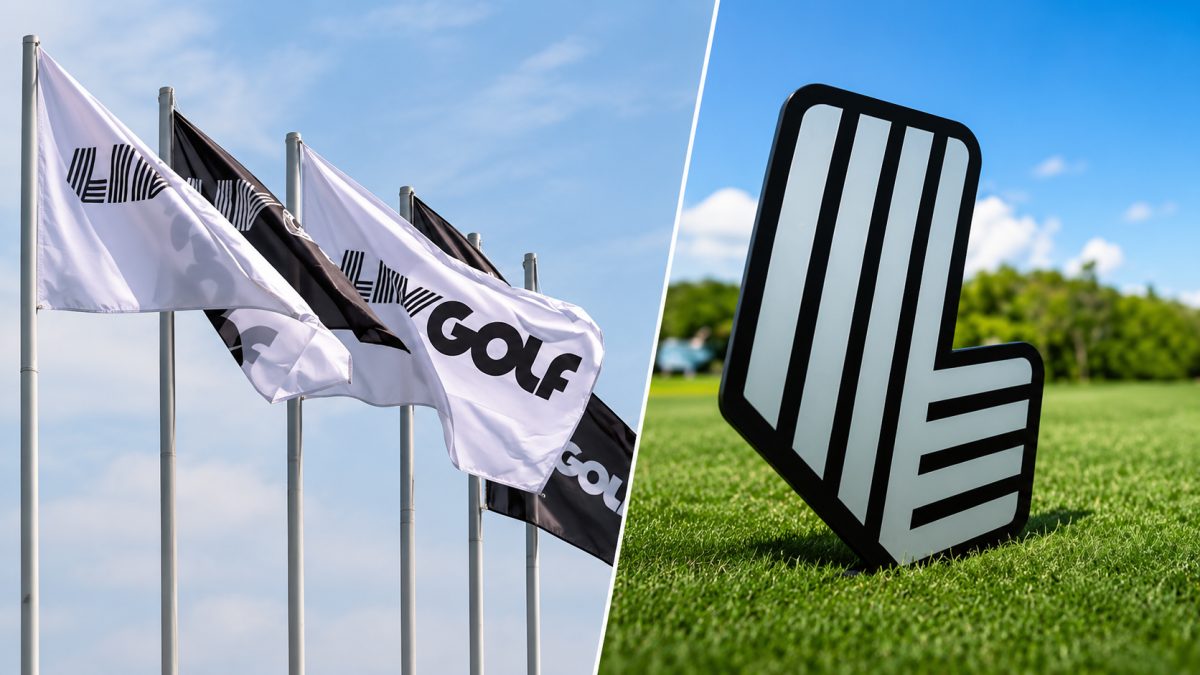

A five-year golf experiment backed by billions of Saudi dollars is closing its doors for good.
LIV Golf is entering liquidation after its proposed rescue and relaunch fell apart, ending the Saudi-backed breakaway circuit's five-year run. Lawyers told a U.S. bankruptcy court in New Jersey on Thursday, November 5, 2026, that LIV would abandon plans for a so-called LIV 2.0 and begin winding down its business and selling off remaining assets.
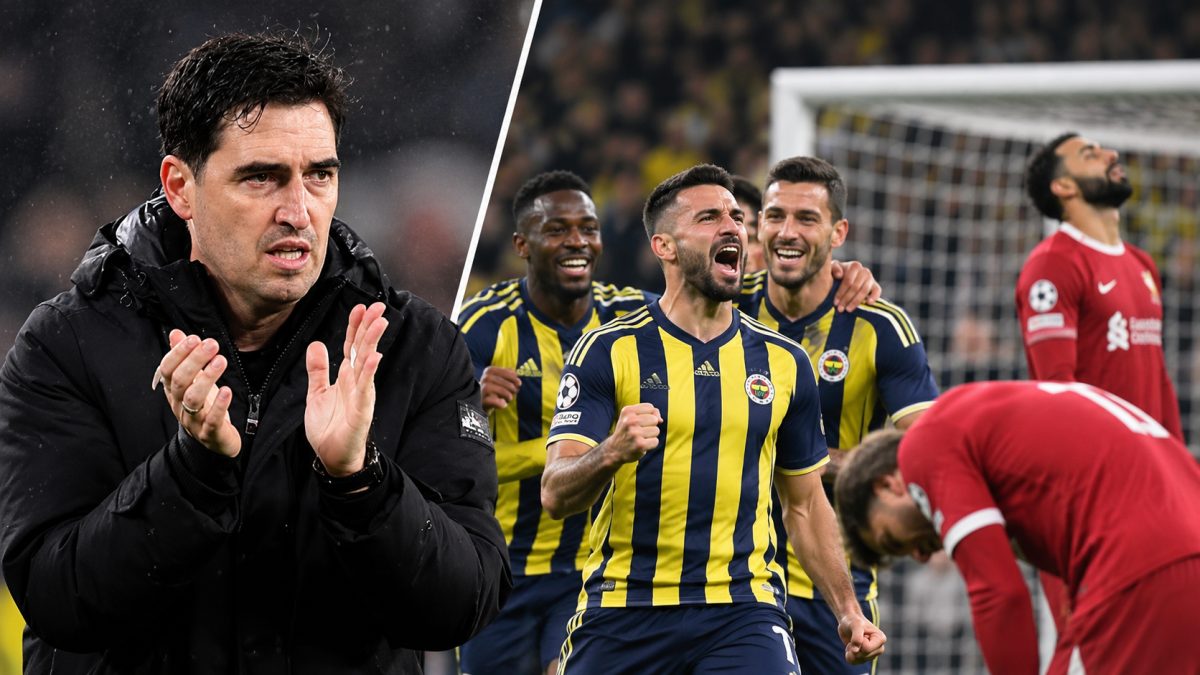
Fenerbahçe 3-2 Liverpool: How Three Set Pieces Sank Iraola's Side in Istanbul
How the LIV Golf liquidation unfolded in bankruptcy court
View this post on Instagram
The announcement came during a bankruptcy court hearing that reportedly lasted just 13 minutes. LIV's attorneys told the judge the league would move from restructuring to full liquidation, a dramatic shift from the plan it had been pursuing since filing for Chapter 11 bankruptcy protection in September. That filing came after Saudi Arabia's Public Investment Fund signaled it would stop financing the circuit once the 2026 season wrapped up.
The immediate spark for the LIV Golf liquidation was the collapse of a financing deal with BC Partners. The investment firm had pledged up to $300 million to back a redesigned LIV 2.0 and fund a 2027 tournament schedule. BC Partners pulled out after LIV could not lock down enough star players to make the relaunch worth the investment. The formal liquidation process is scheduled to begin Monday, November 9, when remaining assets like real estate, trademarks, and other corporate property will start getting sold off to pay creditors.
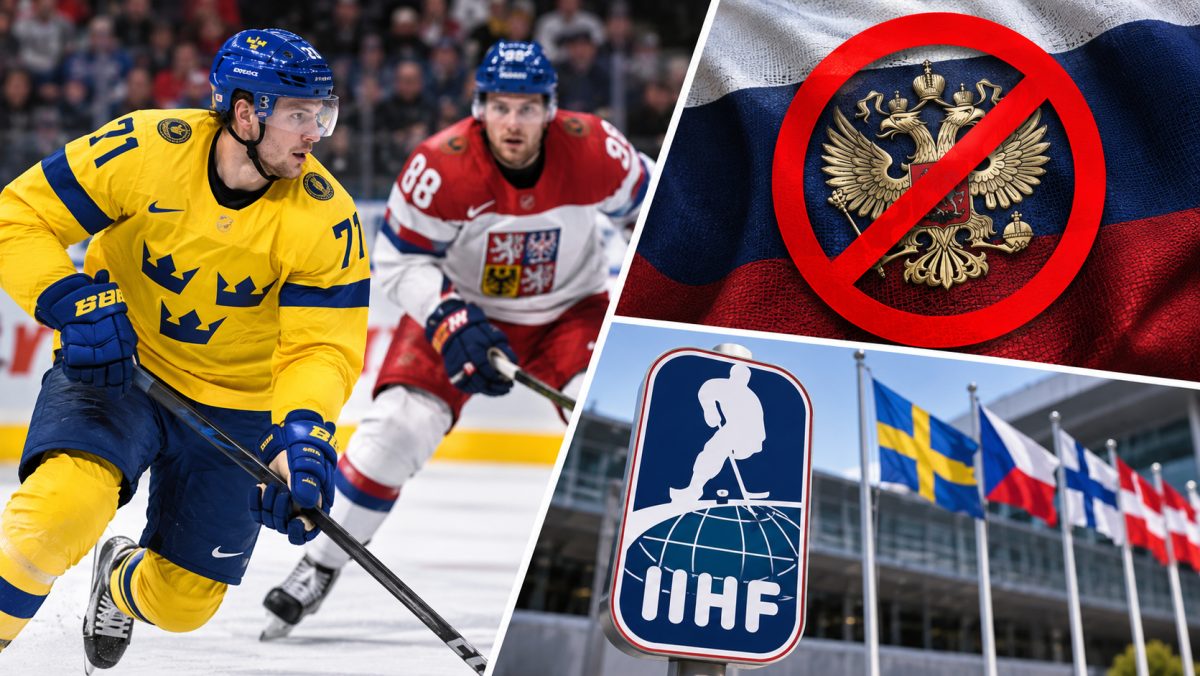
Sweden Czechia Boycott Russia Hockey World Championship: Six Nations Say No
Star players walked away before the money did
Jon Rahm, once the world's top-ranked golfer and one of LIV's biggest signings, announced he would not join LIV 2.0. He wasn't alone. Tyrrell Hatton, Sergio Garcia, Ian Poulter, Louis Oosthuizen, Graeme McDowell, Tom McKibbin, and David Puig also reportedly chose not to continue. Brooks Koepka and Patrick Reed had already left the league earlier, according to reporting on the collapse.
Only a small number of golfers had publicly backed the LIV 2.0 plan, which left the league without the star power it needed to convince investors the relaunch could work. Rahm reportedly agreed to forfeit claims against LIV worth an estimated $100 million just to get out of his contract, a figure described as an estimate rather than a confirmed legal judgment. His exit, more than any other, signaled that LIV's biggest names no longer believed in its future.
Why the Saudi money dried up and the rescue plan failed
LIV Golf launched in 2022 with backing from Saudi Arabia's sovereign wealth fund. Its 54-hole, team-based format and massive prize money pulled established stars away from the PGA Tour and set off years of conflict between the two tours. Reports estimate the Public Investment Fund spent somewhere between $5 billion and $6 billion on LIV in under five years, though the exact total hasn't been confirmed in court records.
When that funding ended after the 2026 season, LIV didn't shut down right away. Instead, it tried to find new investors through its bankruptcy case, hoping to keep playing under a different financial structure. The BC Partners deal was supposed to be the bridge to a 2027 season without direct Saudi backing. But that plan needed a strong player roster to attract fans and sponsors, and when players like Rahm walked, the whole structure fell apart. Rahm reportedly said uncertainty around LIV's future and possible format changes played into his decision to leave.
What the collapse means for golf and the players left behind
The fallout from the LIV Golf liquidation goes beyond money. The DP World Tour reportedly ruled that former LIV members would no longer be eligible to compete in its events, adding a fresh complication for players figuring out where to play next. That leaves many LIV golfers in limbo, needing to sort out eligibility, contract terms, and possible releases before they can return to tours they once left behind.
For the sport as a whole, LIV's failure marks a strange turning point. It's a financial loss for the Saudi-backed project that once shook the foundations of professional golf, but it also looks like a validation for the traditional tour structure LIV tried to upend. Still, the ripple effects on player pay, team formats, and the relationship between golf's governing bodies aren't going away just because LIV is shutting down.
What comes next as the league winds down for good
There's no confirmed replacement investor, no LIV 2.0 season, and no 2027 schedule on the table. The company's focus now shifts entirely to the court-supervised liquidation process starting November 9, where assets get evaluated and sold to pay back creditors.
The bigger questions still hanging over the sport involve what happens to player contracts and disputed claims, and whether former LIV golfers can find their way back into the game's main tours. LIV Golf as a company is ending, but the disruption it caused to professional golf's money, structure, and politics will likely be debated for years after the league itself disappears.