
A baseball title and a governor's race are colliding in Wisconsin at the same strange moment in time.
The Milwaukee Brewers won their first World Series championship just days before Wisconsin's Nov. 3, 2026 governor election, and that timing could give Democratic nominee David Crowley a small but real boost, according to a Washington Post analysis published Oct. 29, 2026. The idea isn't that baseball changes minds. It's that winning teams make people happier, and happy voters tend to stick with whoever already holds power.
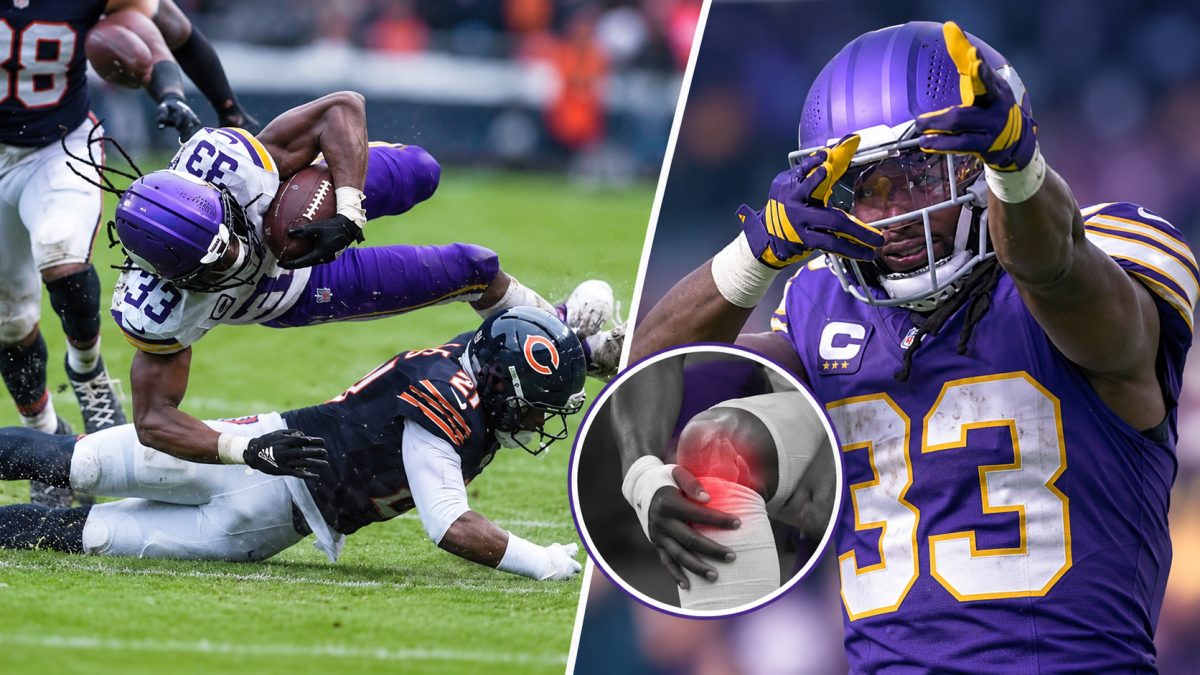
Aaron Jones Knee Injury Update: Vikings Star Sits Out Ahead of Lions Clash
Why the Brewers Win David Crowley Governor Story Is Getting Attention
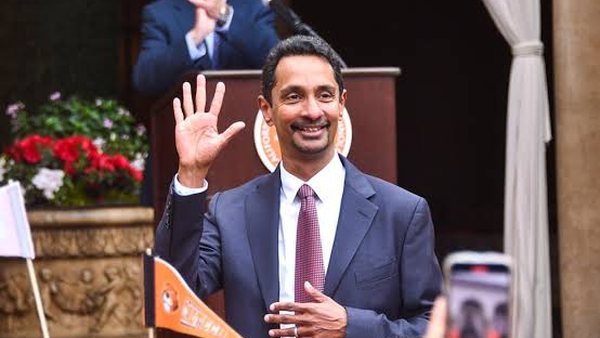
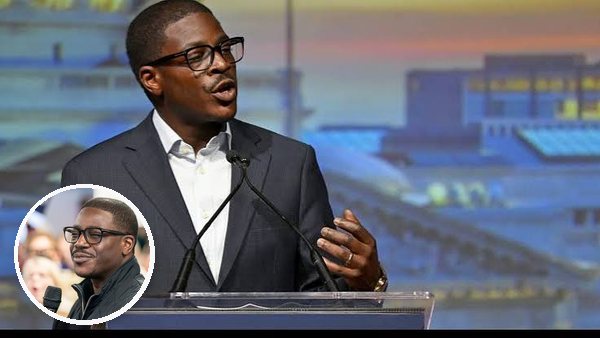
Crowley is the Democratic Milwaukee County executive running against Republican U.S. Rep. Tom Tiffany. He isn't a sitting governor. Gov. Tony Evers isn't running again. But the Washington Post frames Crowley as the candidate carrying the torch for the party already in charge, with Evers actively backing his campaign. That matters because the research behind this story is all about incumbents, not open seats.
The science comes from a study by Neil Malhotra of Stanford's business school. He found that when local college teams won games in the two weeks before an election, the incumbent's vote share in that county rose by as much as 1.61 percentage points. When the win was a championship, the bump got bigger, somewhere between 2.3 and 2.42 percentage points compared to a loss. Malhotra's own words explain the logic simply: "When people's teams win, they become happier and more satisfied with the status quo, and that mood carries into the polling booth."
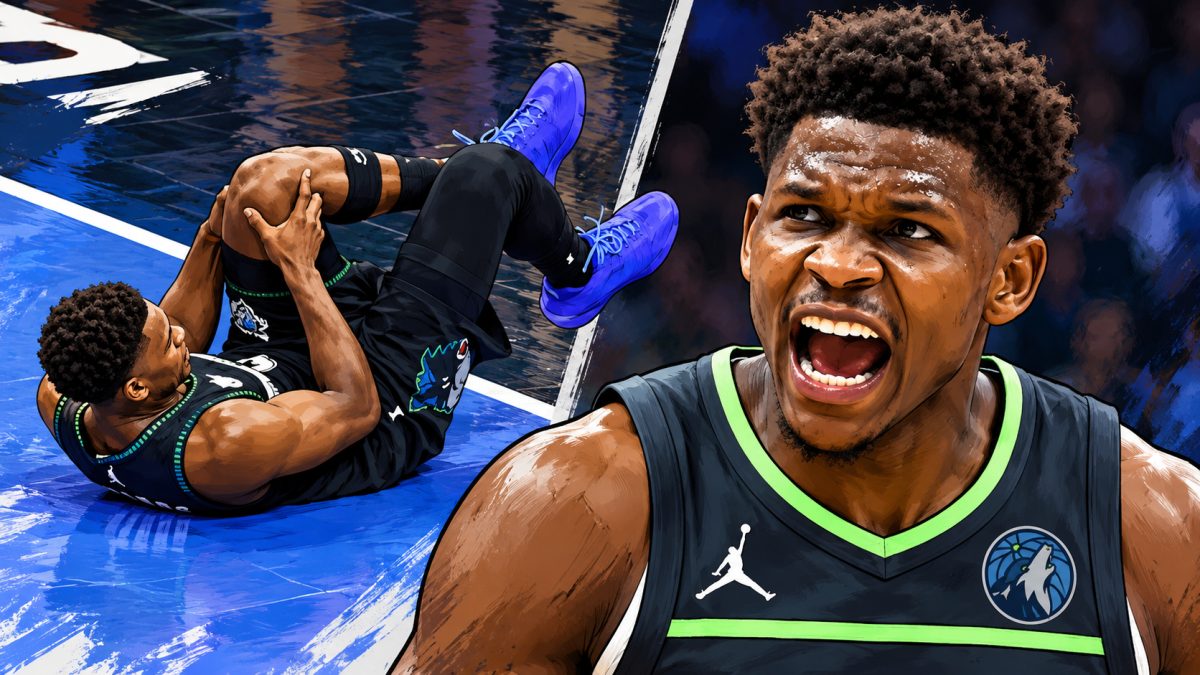
Anthony Edwards Knee Surgery Shocks Timberwolves Just Days After 47-Point Game
What the Marquette Poll Shows About the Governor Race
Just one day before the Post published its piece, Marquette Law School released its final poll of the race. Conducted Oct. 14 through Oct. 22 among more than 800 registered Wisconsin voters, it found Crowley leading Tiffany 51% to 44% among likely voters, with 4% undecided. Among all registered voters, the race was tighter, 47% to 44%, with 9% still undecided.
Poll director Charles Franklin cautioned against reading too much into the top-line number. "Among the likeliest voters, Crowley has a seven point lead," Franklin said. "But among the next most likely to vote, so they're not absolutely certain, but they're likely to vote, that's a 12-point Tiffany lead with that group of voters." In other words, the race may come down entirely to who actually shows up on Election Day.
Franklin added that Crowley's strength is concentrated among the most committed voters. "I think it shows that Crowley has an advantage among the folks that are absolutely sure they're going to vote," he said, while noting that less certain voters were leaning hard toward Tiffany. Marquette's data back this up. Among Democrats, 84% said they were certain to vote or had already cast a ballot. Among Republicans, that number was 77%. Independents trailed both groups at 64%, though that figure had climbed three points since September.
Crowley's Campaign Leans Into Brewers Fever
The Brewers' championship run wasn't happening in a political vacuum. On Oct. 26, former Vice President Kamala Harris joined Crowley for a rally at the Pfister Hotel in downtown Milwaukee, drawing about 450 supporters. Both Crowley and Harris showed up wearing Brewers gear as the World Series approached, blending campaign energy with baseball excitement in a way that was hard to miss.
That same day, Milwaukee County reported 70,033 early votes cast, a bit behind the 72,381 recorded at the same point in the 2022 governor's race. It's a small gap, but in a contest this close, turnout numbers like these get watched closely by both campaigns. Marquette's polling found that Brewers fandom runs deep across the state, with 49% of respondents calling themselves Brewers fans and another 28% describing themselves as casual supporters. That means a huge share of Wisconsin voters had some emotional stake in the team's playoff run, which is exactly the kind of shared experience researchers say can shift mood statewide.
Why the Connection Between Sports Wins and Elections Matters Here
Applying old research to this race takes some caution. Malhotra's study looked at college sports and traditional incumbents seeking reelection. The Brewers are a professional team, and Crowley isn't defending an office he currently holds. Any benefit would have to come from his close ties to Milwaukee and the outgoing Democratic administration rather than personal incumbency. Crowley's seven-point lead among likely voters is also bigger than the maximum effect Malhotra's research ever measured, so the championship clearly isn't doing all the heavy lifting here.
Still, the overlap is hard to ignore. A citywide celebration, a popular local team, and a Democratic candidate deeply rooted in that same city, all landing in the final stretch before voters decide. Whether that translates into actual votes will depend on turnout patterns that are still forming. The clearest lesson from the research isn't that baseball picks governors. It's that good moods spread, and sometimes they spread all the way to the ballot box.
What Comes Next Before Wisconsin Votes
With Election Day set for Nov. 3, both campaigns are racing to lock in supporters who haven't voted yet. Tiffany's path likely runs through the less-certain voters Franklin flagged, the ones leaning his way but not guaranteed to show up. Crowley's team, meanwhile, appears to be betting that Brewers enthusiasm, paired with high Democratic turnout numbers, carries him across the finish line. No one is claiming the championship will decide the race. But in an election this tight, even a small mood boost from a World Series win could matter more than usual.