
Wall Street had a rough Thursday after Google's parent company spooked investors with its latest earnings report.
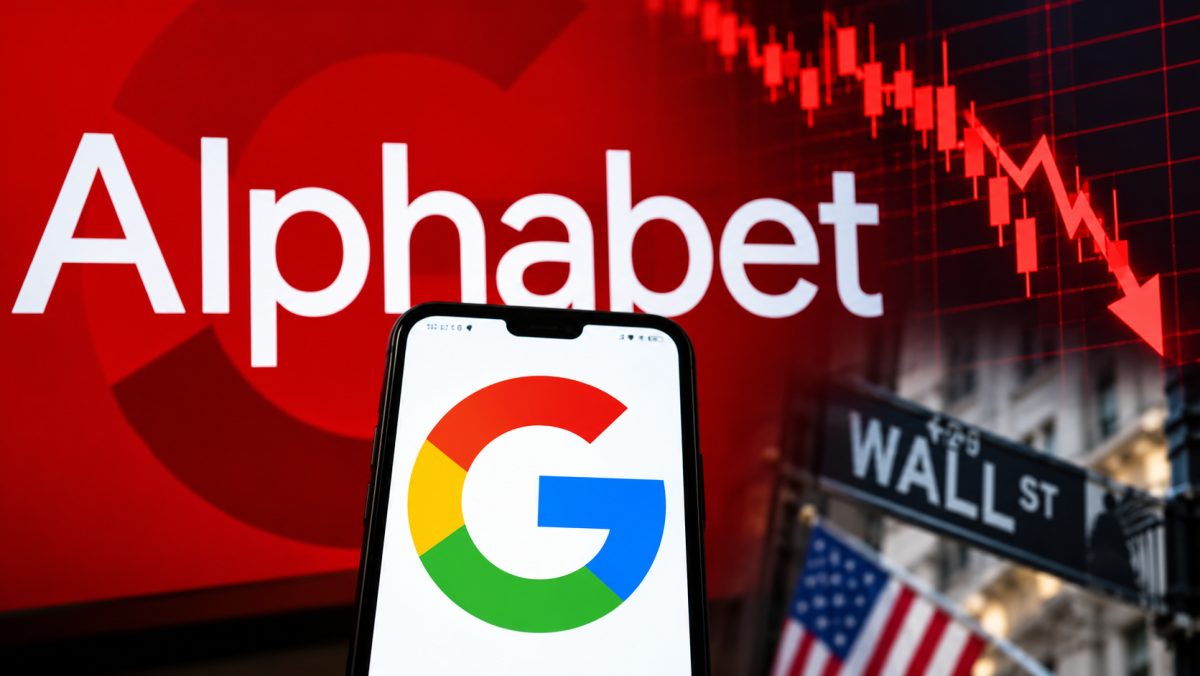
US stocks today dropped sharply after Alphabet reported weaker-than-expected revenue and profit on October 29, 2026, reviving fears that massive AI spending across the technology sector may not pay off fast enough. The Nasdaq Composite sank 1.36% to 26,188.08, while the S&P 500 slipped 0.31% to 7,721.02 and the Dow also closed lower.
Nasdaq Ends Lower as Chipmakers Fall for a Fifth Straight Day on Wall Street
Alphabet Earnings Miss Triggers Broad Tech Selloff
Alphabet released its third-quarter results after the market closed on Wednesday, October 28, and the numbers did not match what analysts were hoping for. Revenue came in at roughly $127.58 billion, below the $128.22 billion Wall Street expected, even though that figure was still up about 25% from a year earlier. Adjusted earnings per share landed at $2.67, well short of the $3.02 consensus estimate.
The damage was not limited to the headline numbers. Google's core advertising business, long considered the company's most dependable moneymaker, brought in about $82.01 billion, which was around $1.41 billion less than expected. Analysts pointed to AI-generated search summaries as a possible reason, suggesting these new features might be changing how people search and click on ads, which could squeeze the traditional ad revenue machine that built Alphabet's fortune.
Investors reacted fast and hard. Alphabet shares tumbled more than 10% in after-hours trading right after the report dropped, then fell 13.2% during Thursday's regular session. Because Alphabet is such a massive piece of the Nasdaq, its slide dragged the whole index down with it, pulling other big tech and communication-services names along for the ride.
US Stocks Today: Nasdaq AI Stocks Rebound After Brutal Selloff Week
AI Spending Keeps Climbing Even as Cash Burn Worsens
The part of the report that really rattled investors was spending. Alphabet's capital expenditures hit $51.36 billion for the quarter. That number actually came in under the $55.09 billion analysts predicted, but it was still more than double the roughly $24 billion the company spent in the same quarter last year. Building data centers and buying advanced chips for AI does not come cheap, and it is starting to show up in the company's cash position.
Alphabet posted negative free cash flow of about $9.07 billion for the quarter, a number that intensified the debate over how long this kind of spending can continue before it starts paying for itself. Companies cannot burn cash forever without investors asking tough questions, and that is exactly what happened here.
Alphabet Chief Financial Officer Anat Ashkenazi tried to reassure the market by saying the company's 2026 capital-expenditure guidance was staying the same. But she also said spending would increase significantly in 2027, a comment that landed with a thud among investors already nervous about when AI investments will actually turn into profit. Reports placed Alphabet's full 2026 capex outlook somewhere between $195 billion and $205 billion, a staggering figure that shows just how deep the company is committing to its AI buildout.
Nasdaq Bears the Brunt of the AI Capex Jitters
The Nasdaq Composite's 1.36% drop was far steeper than the S&P 500's 0.31% decline, and that gap tells its own story. The Nasdaq is loaded with technology and AI-linked companies, so when one of the sector's biggest names stumbles, the index feels it more than broader benchmarks do. The selloff snapped a three-day winning streak for both the Nasdaq and the S&P 500, a reminder of how quickly sentiment can flip in this market.
BofA Securities reportedly tied part of the ad revenue shortfall to weakness in Google Search itself, arguing that more users are now seeing AI-generated summaries right at the top of their search results instead of scrolling down to click on paid links. That theory matters because it frames AI as something that could quietly undercut the very business that pays for all this AI investment in the first place.
Inflation data released around the same time added another layer of unease. Investors already worried about paying high prices for growth stocks became even more cautious when inflation numbers came in hotter than expected. That combination, a disappointing tech earnings report plus inflation anxiety, made for a tough day across the board rather than a problem isolated to just one company.
What Comes Next for Alphabet and the Broader AI Trade
Alphabet is not backing off its AI bet. The company plans to keep rolling out its 2026 capital spending plan and then ramp up even further in 2027, according to Ashkenazi's comments. The real test now is whether Google Search, Google Cloud, and the company's AI products can generate enough new revenue to justify all that spending, rather than just adding to the cash burn investors are already worried about.
For the wider market, upcoming inflation reports and earnings from other major technology companies will show whether Thursday's selloff was a one-day reaction to Alphabet or the start of a bigger rethink about the AI rally that has powered stocks for years. Right now, the central question hanging over Wall Street is simple: is all this AI spending building something valuable, or is it starting to run into diminishing returns that investors are no longer willing to overlook.