
Wall Street wobbled through a tense Wednesday before chip stocks and a steady Fed decision pulled the market into the green.
US stocks today closed mostly higher on Wednesday, October 28, 2026, after the Federal Reserve held its benchmark interest rate steady at 3.75% to 4%, while blowout earnings from South Korean chipmaker SK Hynix sparked a powerful semiconductor rally across Wall Street. Investors quickly turned their attention to earnings from Microsoft and Alphabet, due after the closing bell.
Stock Market Monday Predictions: Why Oil And FII Exit Could Sink Nifty Again
Fed Holds Rates Steady While Two Officials Push Back
The Federal Open Market Committee voted to keep its key rate unchanged at a range of 3.75% to 4%, a move that had been widely expected by investors heading into the meeting. The decision came after the Fed raised rates a quarter point at its previous meeting in September, meaning policymakers chose to pause rather than follow through with another hike right away.
The vote was not unanimous. It passed 10-2, with Fed Governor Lisa Cook and Cleveland Federal Reserve President Beth Hammack dissenting because they wanted an immediate quarter-point increase instead. That split vote told investors something important. Even inside the Fed, there is real disagreement about whether rates are high enough to keep fighting inflation, or whether more tightening is still needed before the year ends.
Saxo UK investor strategist Neil Wilson had predicted ahead of the meeting that the Fed was “set to hold rates steady but could signal the path to more hikes.” That is roughly how it played out. Rather than closing the door on further action, the Fed shifted the spotlight to its next meeting in December, where markets now see a real chance of another rate increase.
Moderna Merck Cancer Vaccine Results Cut Risk 42%, So Why Did Stock Crash?
SK Hynix Earnings Ignite a Chipmaker Rally on Wall Street
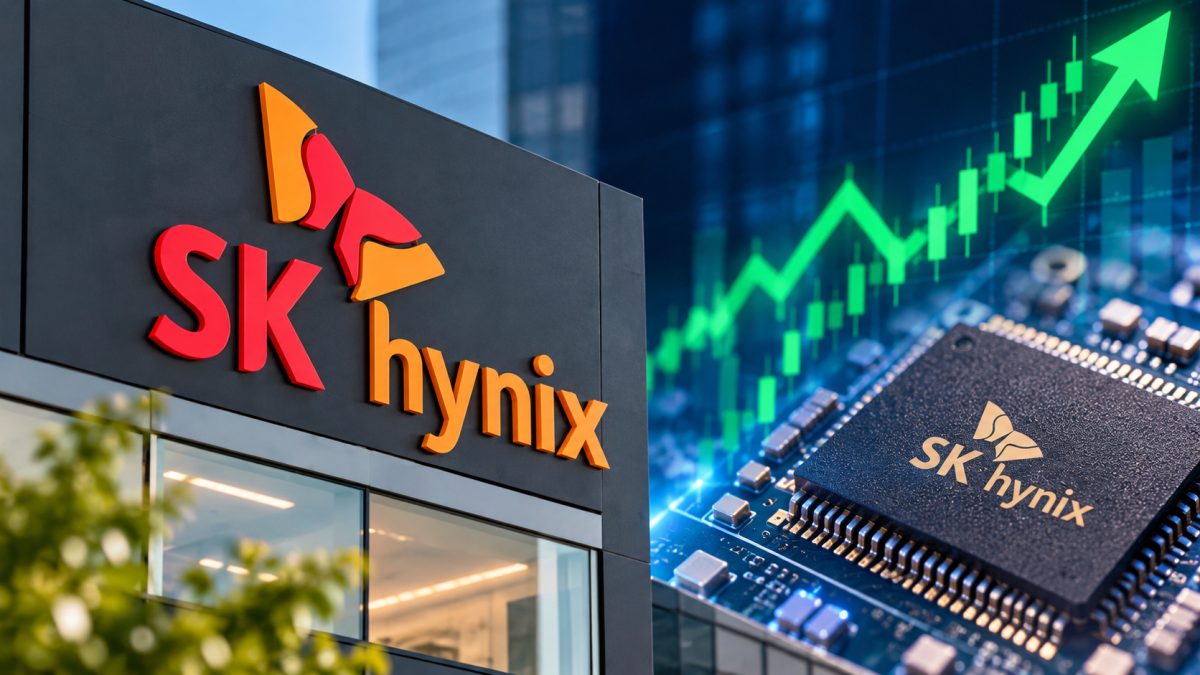
The biggest spark for stocks today came from overseas. SK Hynix, a major South Korean memory-chip maker, reported third-quarter revenue of 104.62 trillion Korean won, or roughly $77.92 billion. That figure crossed the 100 trillion won mark for the first time ever and beat analyst expectations of about 99.5 trillion won. Operating profit came in at 83.33 trillion won, well above the 78.28 trillion won that analysts had penciled in.
The scale of the jump stunned traders. SK Hynix's profit grew roughly 632% compared to a year earlier, a more than sevenfold increase driven by surging demand for advanced memory chips used in AI data centers. The company's US-listed shares jumped as much as 13.3% to $164.70 during the session, based on one market report, as investors rushed to buy into the AI hardware story all over again.
The excitement spread fast to American chipmakers. Micron Technology, a direct competitor in the memory chip business, climbed about 4.7% to 4.8%, touching its highest level in more than two weeks. Oracle also joined the tech rally, rising roughly 10% on strong long-term cash flow numbers and growing data center demand. SK Hynix added fuel to the optimism by saying memory demand could outpace supply all the way through 2030, and reports indicated the company plans to return an additional $45 billion to shareholders.
Megacap Weakness Creates a Choppy Trading Session
Not every part of the market joined the party right away. Earlier in the day, losses in Tesla and Apple dragged on major indexes, canceling out much of the early enthusiasm from chip stocks. Reuters described the session as choppy, with megacap weakness offsetting chipmaker gains as traders waited nervously for the Fed's afternoon announcement.
As the day wore on, technology shares found their footing and the broader market turned higher. By the close, chips and technology names were the main engines lifting the market, even though the ride to get there had been bumpy. Treasury yields rose following the Fed's announcement, a sign that bond investors were still weighing the odds of another rate hike before year's end.
The mixed signals from Tesla, Apple, and the chip sector showed just how split investor sentiment had become. Some traders were betting heavily on the AI infrastructure boom continuing, while others worried that high interest rates and stretched valuations in megacap tech could cause a pullback.
Microsoft and Alphabet Earnings Become the Next Big Test
With the Fed decision out of the way, attention turned almost immediately to Microsoft and Alphabet, both of which were scheduled to report earnings after the closing bell. Charles Schwab noted ahead of the open that these two reports, alongside the Fed meeting, were the main events investors were circling on their calendars for the day.
Investors wanted proof that cloud computing growth and heavy AI-related spending at these companies were still paying off. Given how much money Microsoft and Alphabet have poured into AI infrastructure, their results were seen as a real-time check on whether the broader AI investment boom still has legs, or whether spending is starting to outpace returns.
What the Pause Means for the Path Ahead
The Fed's decision to hold rates steady did not settle the bigger debate about where monetary policy goes from here. Policymakers made clear they are still fighting elevated inflation, and the two dissenting votes show that patience inside the Fed is wearing thin for some officials. The December meeting now looms as the next flashpoint, and traders will be watching inflation and labor data closely between now and then for clues.
For the chip sector, the question is whether SK Hynix's blowout quarter was a one-off success story or a sign of a much longer AI memory boom, as the company itself suggested with its forecast running through 2030. Combined with the Microsoft and Alphabet results, the coming weeks will tell investors whether this rally has real staying power or whether higher rates in December could knock the wind out of it.