
The actress who made audiences love her as a TV mom and grandmother chose how her own story would end.
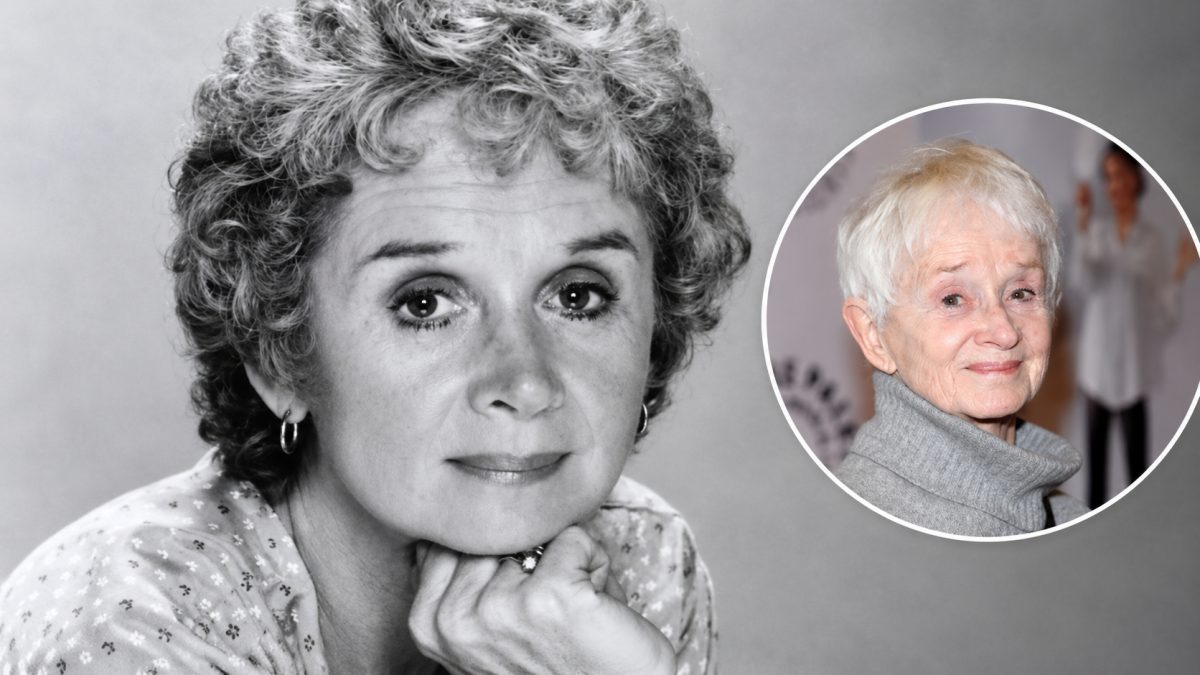
Barbara Barrie, the Oscar-, Emmy- and Tony-nominated actress known for roles in Barney Miller, Suddenly Susan and Breaking Away, died Wednesday, Oct. 28, 2026, at her home in Manhattan. She was 95 and had been diagnosed with terminal cancer.
Kevin Bleyer Death: Emmy-Winning Daily Show Writer Dies at 54 in Crash
Barbara Barrie Dead at 95 After Choosing Medical Aid in Dying
Barrie's daughter, Jane Harnick, confirmed the death to The New York Times. A representative for Barrie separately told TVLine that her death "was medically assisted in accordance with the New York State Medical Aid in Dying law, of which she was a proponent and advocate." The statement makes clear this was not a sudden or accidental death, but a decision tied to a cause Barrie had publicly supported.
News outlets did not report further medical details beyond the terminal cancer diagnosis. What is clear is that Barrie spent her final years aligned with the same values she lived by on stage and screen, choosing to speak openly about end-of-life rights rather than stay silent. Her passing closes out a career that stretched across roughly seven decades, touching theater, film and television in ways few actresses manage.
Walter Koenig Dies at 90: Star Trek's Chekov Gone, George Takei Reacts
A Career That Spanned Broadway Stages to Primetime Television
Barrie was born Barbara Ann Berman in Chicago. She made her Broadway debut in 1955 in The Wooden Dish, kicking off a stage career that eventually included 11 Broadway productions. She appeared in the original casts of Stephen Sondheim's Company, Neil Simon's The Prisoner of Second Avenue and California Suite, and Harvey Fierstein's Torch Song Trilogy.
In Company, which ran from 1970 to 1972, Barrie played Sarah, a dieting foodie married to a man struggling with drinking. That production landed a then-record 14 Tony nominations, including one for Barrie herself. Decades later, in 2017, she returned to Broadway one final time in Joshua Harmon's Significant Other, playing a Jewish grandmother, a role that closed out her stage career on a note similar to where it began: full of heart and detail.
From Barney Miller's Wife to Suddenly Susan's Beloved Nana
Television audiences knew Barrie best from two very different decades. From 1975 to 1982, she played Elizabeth Miller, wife to Hal Linden's title character on ABC's Barney Miller, appearing in 11 episodes across five seasons. It was a quieter role compared to the show's precinct chaos, but it gave the series its emotional anchor at home.
Then, from 1996 to 2000, she won over a new generation as Helen "Nana" Keane on NBC's Suddenly Susan, playing grandmother and confidante to Brooke Shields' character across 92 episodes. Her television résumé also included appearances on The Defenders, Naked City, The Twilight Zone, The Alfred Hitchcock Hour, Law & Order and Law & Order: Special Victims Unit. She earned three Emmy nominations total, for Breaking Away in 1981, Law & Order in 1992, and a guest acting nomination for SVU in 2003.
An Oscar Nomination and a Career-Defining Film Role
Barrie's breakout film moment came with One Potato, Two Potato in 1964, an interracial drama that earned her the best actress award at the Cannes Film Festival. It was an early sign of her willingness to take on difficult, socially charged material at a time when few actresses did.
Her biggest film recognition came 15 years later with Peter Yates' Breaking Away in 1979. Barrie played Evelyn Stoller, the warm and supportive mother of Dennis Christopher's character, Dave. The role earned her an Academy Award nomination for Best Supporting Actress. She went on to appear in Private Benjamin, The Bell Jar, Judy Berlin and Disney's Hercules, proving her range extended well past the maternal roles she became known for.
Remembering an Actress Who Defined Decades of American Storytelling
No funeral details, memorial plans or public statements from networks, co-stars or former colleagues had been confirmed as of this report. Brooke Shields and Hal Linden, her most famous on-screen scene partners, had not issued public comments through the outlets covering her death.
What remains is a body of work that bridged generations of American entertainment, from 1950s Broadway stages to 2000s crime dramas. Barrie's death at 95 marks the end of a career built on playing people who felt real, mothers, wives and grandmothers who carried entire shows on quiet strength. Her choice to die under New York's Medical Aid in Dying law, a cause she championed in life, gave her final chapter the same clarity and conviction that defined her best-known roles.