
Two emerging markets just landed a spot on one of the world's most closely watched bond benchmarks, and global funds will have to take notice.
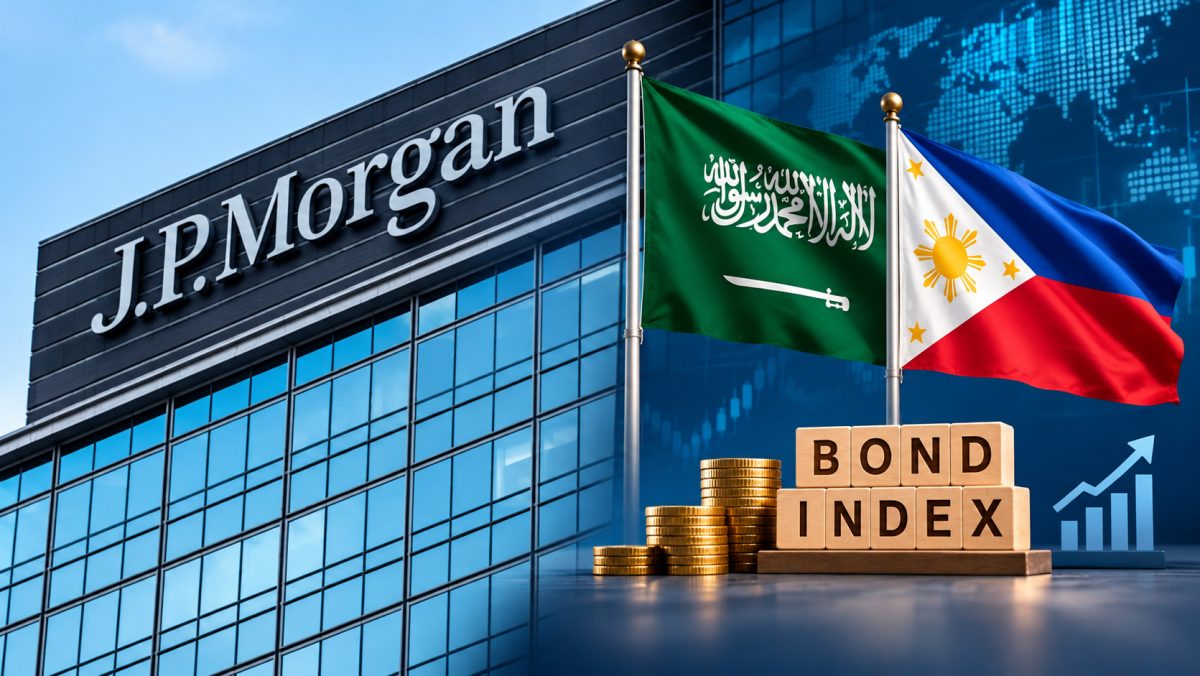
J.P. Morgan confirmed on November 5, 2026, that Saudi Arabia and the Philippines will join its local-currency emerging-market debt index starting January 29, 2027, with the change rolling out gradually over 10 months across the bank's widely tracked GBI-EM index series.
Saudi Arabia Houthi Airport Strike Kills 12, Vows Decisive Response Now
JPMorgan Saudi Arabia Philippines Bond Index Rollout Explained
The plan brings two very different types of government debt into the same benchmark. Saudi Arabia will be represented through riyal-denominated sovereign sukuk, which are Sharia-compliant certificates that pay returns tied to underlying assets rather than traditional interest. The Philippines will join through peso-denominated government bonds, giving global investors a clearer benchmark path into Southeast Asian local debt.
JPMorgan expects to include nine Philippine government bonds worth roughly $50 billion combined, alongside eight Saudi sovereign sukuk instruments worth about $79 billion. Once fully phased in, Saudi Arabia is projected to hold a 2.71% weight in the index, while the Philippines is expected to sit at 1.64%. Those numbers have shifted slightly from the original estimates JPMorgan gave back in April 2026, when Saudi Arabia was pegged at 2.52% and the Philippines at 1.78%.
Quara Finance Mobily Pay Launch Brings Digital Loans to Saudi Wallet Users
How the Plan Took Shape Since April 2026
This isn't a sudden decision. JPMorgan first flagged the move on April 22, 2026, telling markets that both countries would be added from January 29, 2027, pending final security selection and scheduling. That early announcement gave fund managers nearly a year to prepare their portfolios before the actual inclusion date arrived.
The November 2026 update confirmed the exact timeline and refreshed the projected weights based on updated market data. It also revealed a methodology tweak that applies across the whole index, not just to the two new members. JPMorgan is lowering its Country Cap, the maximum share any single country can hold in the index, from 10% down to 9%. That change is meant to keep the benchmark from leaning too heavily on its biggest constituents as new markets join.
Why Global Bond Investors Are Paying Close Attention
Index inclusion might sound like a technical detail, but it tends to move real money. Funds and exchange-traded products that track the GBI-EM index often have to buy eligible bonds just to keep their holdings aligned with the benchmark. As Saudi sukuk and Philippine bonds phase in over those 10 months, passive funds may need to purchase them step by step, while active managers recalibrate their country bets against the new mix.
For Saudi Arabia, this marks a notable moment because the entry comes through Islamic finance instruments rather than conventional bonds, giving sukuk a bigger stage in mainstream global portfolios. For the Philippines, the addition offers a broader stamp of recognition for its peso bond market, placing it alongside other established emerging economies in a benchmark used by major institutional investors worldwide.
What the Record Shows and What Remains Unconfirmed
The public reporting on this story does not include a direct, named quote from a JPMorgan spokesperson explaining the reasoning behind the specific weight calculations or the cap reduction. What is confirmed is the announced structure itself: the 10-month phase-in starting January 29, 2027, the list of eligible securities, and the updated country weights.
There is also no confirmed public reaction yet from Saudi Arabia's finance ministry, the Philippine central bank, or rival index providers. No verified estimate exists for how much new foreign money might flow into either market because of this change, so any specific inflow number floating around should be treated with caution until an official source confirms it.
Key Dates Investors Should Watch Next
The next major checkpoint is January 29, 2027, when the actual phase-in begins. From there, markets will watch how evenly the securities get added each month and whether index-tracking funds move in step with the schedule or adjust their timing based on liquidity.
By the time the 10-month window closes, Saudi Arabia and the Philippines should be sitting at their full projected weights of 2.71% and 1.64%, assuming JPMorgan doesn't revise the plan again before then. Until that happens, bond investors, index funds and anyone watching emerging-market debt will be tracking this rollout closely, since it reshapes one of the most influential benchmarks in global fixed income.