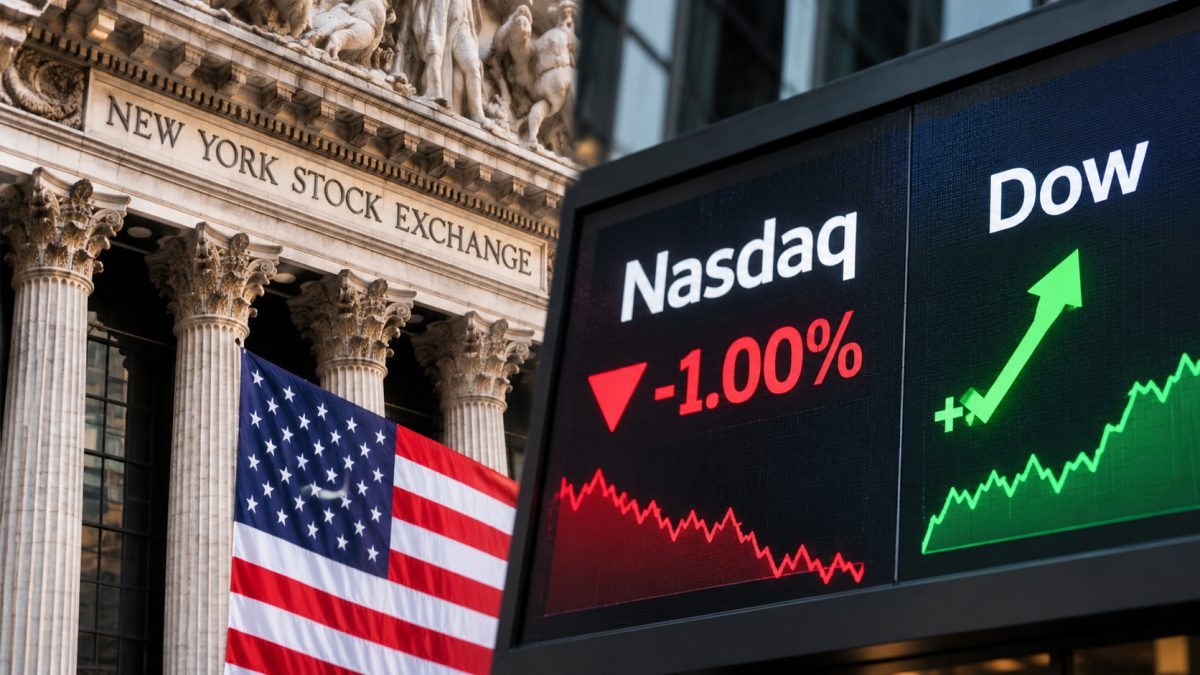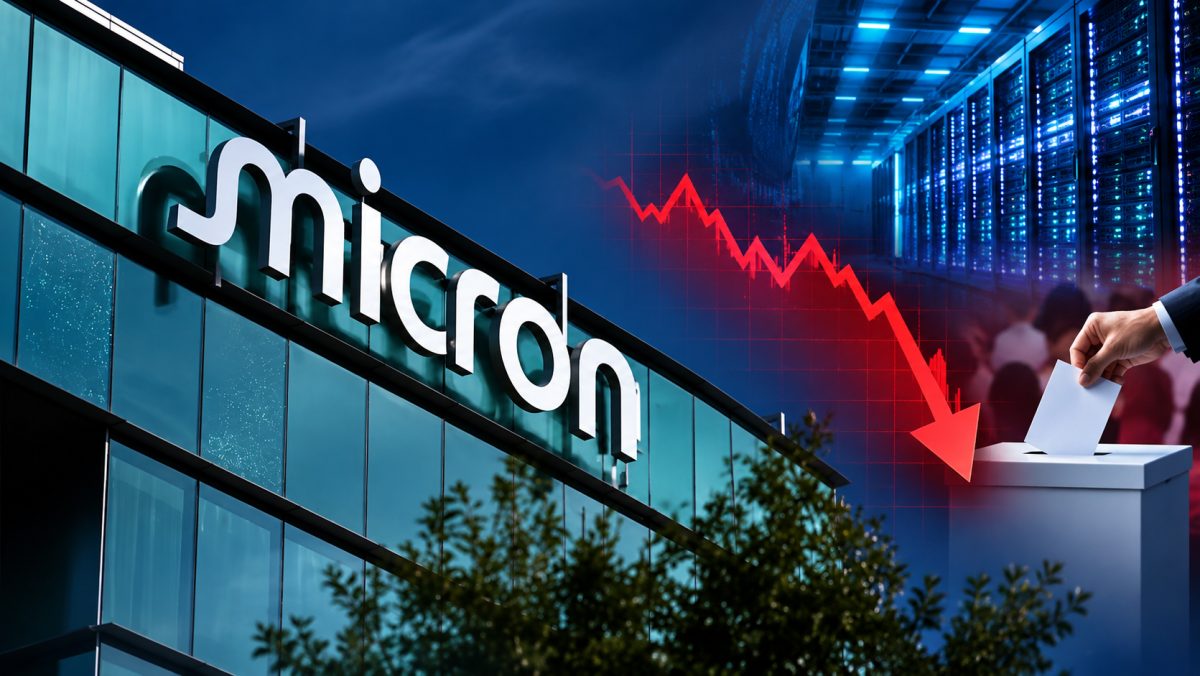

Wall Street suddenly got nervous that the AI building boom might hit a wall, and memory chip makers took the hardest hit.
Micron stock fell sharply on Wednesday, November 4, 2026, as investors worried that Democratic wins in the U.S. midterm elections could slow down the massive data-center construction boom that has been driving demand for computer chips and memory. Shares of Micron, SanDisk, Western Digital, Intel and Marvell all dropped, even as the broader stock market climbed.
Micron Smashes Earnings Records With AI Boom as Wall Street Remains Cautious
Micron Stock Election Results Trigger a Sharp Sell-Off
Micron and other chip stocks slip as election results strike at the core of data-center optimism https://t.co/SNcTuOtils
— MarketWatch (@MarketWatch) November 4, 2026
The selling started right after Democrats won control of both the House and Senate and picked up key governor's races, including a stunning upset in Texas. MarketWatch reported Micron shares down about 2% in early Wednesday trading, while Intel and SanDisk slipped more than 2% and Marvell dropped more than 5%. But as the day went on, the losses got bigger. Other reports put Micron's drop between 6% and 7%, with one account showing shares trading around $793.59, down 7% from the prior close.
CNBC's market coverage said Micron fell 5.5% while Intel slid 3%, even as the S&P 500 rallied on the same day. SanDisk took the biggest hit, falling close to 9%, while Western Digital dropped around 7%. Some reports even showed Micron, SanDisk and Nvidia cracking as much as 10% right at the opening bell, before paring some of those losses. The size of the drop depended heavily on which moment of the trading day you looked at, but the direction was the same everywhere: memory and chip stocks got hammered.
Nasdaq Ends Lower as Chipmakers Fall for a Fifth Straight Day on Wall Street
Texas Becomes the Flashpoint for Data-Center Fears
The real story behind the sell-off centers on Texas. Democrat Gina Hinojosa defeated incumbent Republican Governor Greg Abbott after campaigning on a promise to immediately halt new data-center construction in the state. That matters enormously because Texas is home to roughly 27% of all planned U.S. data-center capacity, according to Wells Fargo figures cited in market reports.
Data centers need huge amounts of electricity, water and land, and local pushback against that strain has been building for years. Hinojosa's win turned that local frustration into a direct political threat against the AI infrastructure buildout. Jim Cramer, speaking on CNBC's Morning Meeting, cited an estimate suggesting roughly 10% of planned data centers might not move forward under the new political landscape, and said the shift could slow construction on what he described as 800 to 1,000 planned data-center projects nationwide.
Wall Street Analysts Say Existing Projects Are Safe for Now
Not everyone thinks the sky is falling. StoneX analyst Cody Acree told MarketWatch that the election outcome raises real risks but doesn't undo what's already been built or financed. "While the election raises the risk of tougher permitting, power and water restrictions, and less favorable tax treatment, it does not unwind projects already funded, contracted or under construction," Acree said.
Acree added that the Texas AI buildout "remains intact and exceptionally large," even with growing political uncertainty hanging over new approvals. Still, he cautioned that the added red tape could matter down the road. "Overall, the additional hurdles for data centers may act to slow down the buildout in the US, which could limit the deployment of the chips that go into those data centers," he said. That distinction, between projects already underway and ones still waiting for permits or power contracts, is exactly what investors spent Wednesday trying to price into these stocks.
Memory Prices and the Apple Angle Add Another Layer
The election wasn't the only thing weighing on memory stocks. Reports said rising memory prices had already started hurting parts of the hardware market, raising fears that buyers might slow down their purchases or that inventories could pile up faster than expected. That combination, political risk layered on top of pricing worries, is likely why Micron, SanDisk and Western Digital fell so much harder than the broader market.
Cramer offered an unusual silver lining, arguing that a slower AI buildout could actually help Apple. His reasoning: if data centers buy less memory, inventories build back up and the squeeze on memory chips that's been driving up costs for device makers could finally ease. It's a reminder that this story isn't just about chipmakers losing value. It's about how one election result can ripple through an entire supply chain, creating winners and losers that have nothing to do with politics on the surface.
What to Watch as the Dust Settles
Nothing has been canceled yet. No company mentioned in current reporting has cut its financial guidance because of the election results. What happened Wednesday was investors repricing their expectations for future growth, not proof that existing data-center deals are falling apart.
The next real test will be how Texas actually implements any moratorium, and whether other states follow with their own restrictions on power, water or permitting. Investors will also be watching memory pricing trends, customer inventory levels, and whether new data-center commitments keep flowing despite the political uncertainty. For now, Micron and its peers are caught between a buildout that's still enormous and a political mood that just turned noticeably less friendly.