
The finance minister says one of India's biggest business houses needs to sort out its own mess, fast.
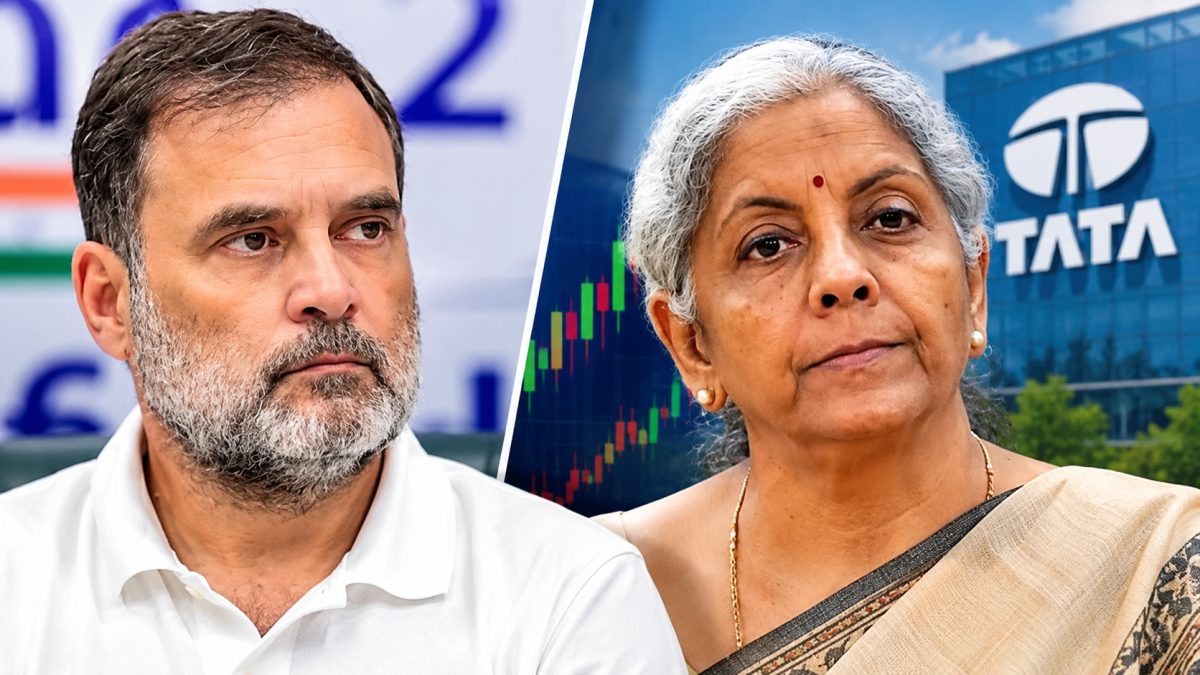
Finance Minister Nirmala Sitharaman addressed the Tata row on November 2, 2026, telling reporters in Mumbai that the standoff between Tata Sons and its largest shareholder, Tata Trusts, should be settled amicably and internally, without the dispute spilling further into public view.
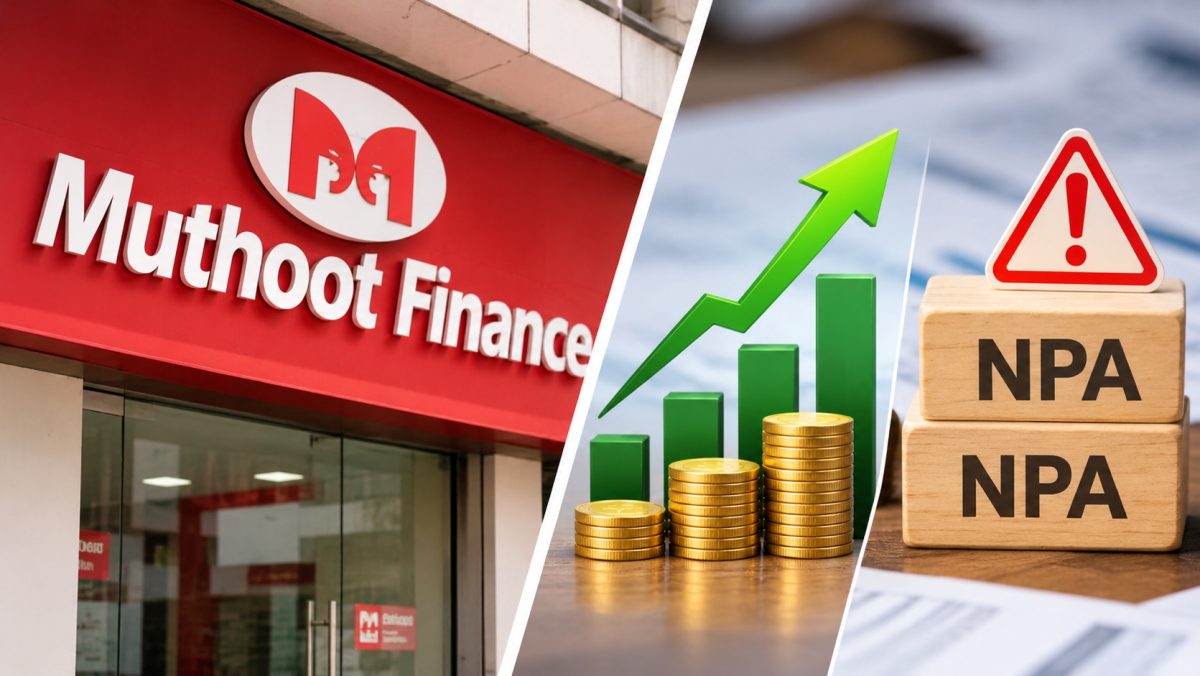
Muthoot Finance Q2 FY27 Results: Profit Jumps 36% But Bad Loans Pile Up
Sitharaman Breaks Her Silence On The Tata Row
View this post on Instagram
Speaking at the Financial Express Leadership Awards 2026 in Mumbai, Sitharaman did not hold back on how she felt about watching a top Indian conglomerate air its troubles in public. She called the group a critical part of the Indian economy and said the people involved need to find common ground on their own. Her exact words were simple and direct: "This is a very critical component to the Indian economy, and therefore, it has to be amicably settled among themselves."
She followed that up with an appeal for quiet dialogue rather than public sparring. "So they talk it out to make sure that it comes back quickly to some normalcy," she said, according to reports from the event. When asked about the public nature of the fight, she didn't mince words either, saying, "It cannot be spilling out like this in public." Her tone throughout suggested frustration, not panic, over a dispute she clearly wants gone from the headlines.
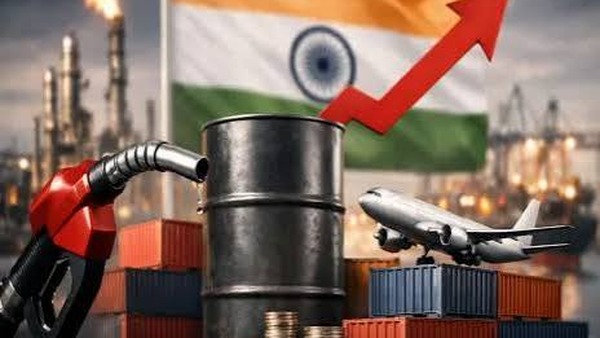
India Windfall Tax Diesel Exports Jump as Petrol Levy Drops to Zero
Inside The Tata Sons And Tata Trusts Dispute
The fight at the center of the Nirmala Sitharaman Tata row dates back several months, but it truly broke into public view after a Tata Sons board meeting on September 17, 2026. That meeting reportedly saw the board, led by chairman N. Chandrasekaran, and Tata Trusts, chaired by Noel Tata, split into opposing camps. Tata Trusts is not just another shareholder here, it is the largest one, holding a controlling stake in Tata Sons, the company that sits at the top of the entire Tata Group structure.
Reported sticking points include whether Chandrasekaran should be reappointed to lead Tata Sons and whether the company should eventually list on the stock market. These are not small questions. Tata Sons controls stakes across companies that touch cars, steel, airlines, phones, consumer goods and banking. A disagreement at this level affects how all of those businesses are run and who ultimately calls the shots. That is exactly why Sitharaman chose her words carefully, calling the matter sensitive rather than offering a quick fix.
Why The Finance Minister Is Staying Hands-Off For Now
Despite the pressure of the moment, Sitharaman made it clear the government is not about to step in and force a resolution. She declined to say whether the government would even try to bring Tata Sons and Tata Trusts to the table together. Her comments suggest New Delhi sees this as a private governance issue, not a matter requiring official mediation, at least not yet.
She also framed the situation as one that needs "commercial and business acumen" along with "business cordiality" to resolve, according to separate remarks she made on the issue. That phrase matters. It signals she expects experienced business minds, not government officials, to be the ones hashing this out behind closed doors. Her comments came even as she faced questions about foreign investor outflows and calls for tax cuts, topics she chose not to comment on directly, saying she was mindful of louder public concerns swirling at the moment.
A Family Name And A National Economic Stake
Sitharaman didn't just talk numbers and boardrooms. She also pointed to the Tata Group's place in India's global image, acknowledging the historical role the Parsi community played in building the brand over its long history. That nod matters because the Tata Group isn't just another company on paper, it is a 158-year-old institution with a reputation investors and ordinary Indians alike watch closely.
That reputation is part of why this dispute has drawn so much attention beyond business circles. When a group this size shows cracks at the top, it raises real questions for employees, investors and partners across multiple sectors. Sitharaman's comments reflect an awareness that stability at Tata Sons isn't just a private family matter anymore, it ripples outward into the broader Indian economy.
What Comes Next For Tata Sons And Tata Trusts
As of now, there is no confirmed meeting date between Tata Sons and Tata Trusts, no joint statement, and no formal mediation process announced by either side or the government. The core questions remain open: will Chandrasekaran's leadership continue uncontested, how much say will Tata Trusts retain going forward, and will the idea of listing Tata Sons on the stock market move ahead or get shelved entirely.
Sitharaman's public comments add pressure for a faster resolution, but they don't change the legal or procedural path the two sides must still walk. Until Tata Sons and Tata Trusts issue something concrete, a joint statement, a board decision or a negotiated settlement, the dispute stays unresolved. For now, the government's position is clear: sort it out yourselves, and do it quickly.