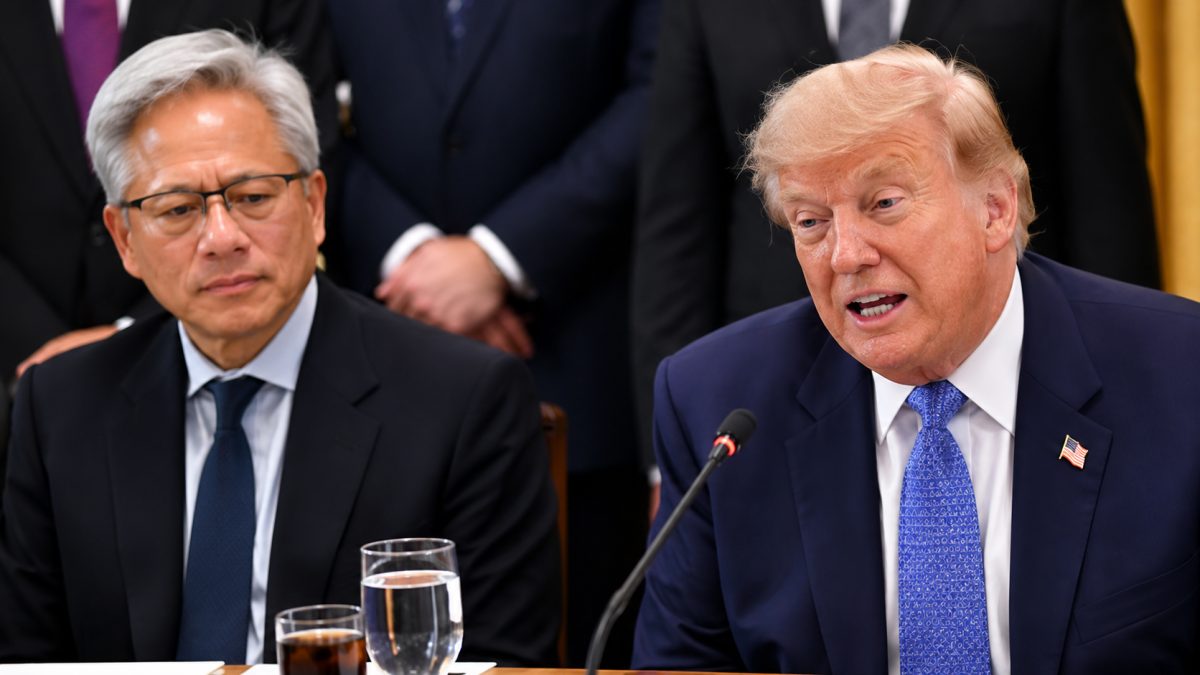

The president praised Jensen Huang as "brilliant" while admitting the situation around him is far from simple.
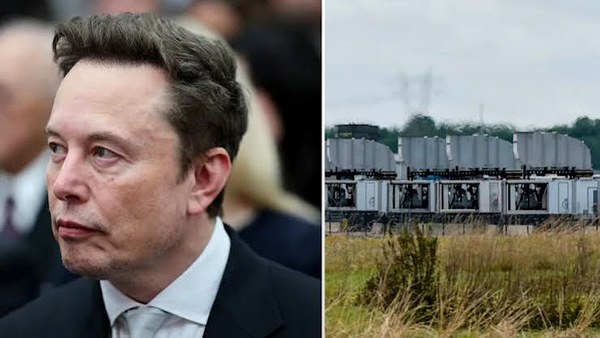
President Donald Trump said on November 1, 2026, that the United States is looking closely at reports that Nvidia CEO Jensen Huang may have been targeted in a Chinese spy plot, calling Huang a "brilliant" person he wants to protect. The comments followed a New York Times report naming Alice Huang, a Chinese national and former Megaspeed executive, as a suspected intelligence asset with close ties to the Nvidia chief.
60 Million Kids Just Got Trump Accounts Automatically, Here’s Why Parents Still Must Act
Trump Weighs In On Nvidia CEO China Spy Plot Report
Speaking to reporters at his Florida residence, Trump did not shy away from the subject when asked directly about it. He said, "I have a lot of respect for Jensen. I didn't know about the specific thing, but I hope he's going to be OK." He followed that up by calling Huang "a great, brilliant person" and adding that the government wants to "protect our brilliant people."
Trump also promised action on the review itself, telling reporters, "We're going to check it out very closely." That statement was his clearest signal yet that the administration sees the matter as serious enough to warrant fresh scrutiny, even though no charges or formal findings have been announced against anyone involved. The Washington Post later described Trump's position as stopping short of a full defense, noting he called the situation "very complex" rather than dismissing the spy plot claims outright.
Russia Sanctions Waiver India GTRI: Why Relief May Not Last Long
Alice Huang And The Megaspeed Connection At The Center Of The Story
The woman at the heart of the allegations is Alice Huang, who also goes by Huang Le. She is a Chinese citizen and was a senior executive at Megaspeed, a Singapore-based data-center company that buys Nvidia chips and rents out computing power to clients, including firms in China. She is not related to Jensen Huang, despite sharing the same last name.
According to the New York Times, people familiar with classified intelligence said U.S. surveillance tracked contacts between Alice Huang and Jensen Huang that led officials to conclude she may have been passing information to Beijing. Investigators were reportedly worried that her access to the Nvidia chief could expose sensitive details about company technology, American AI policy, and Washington's approach to chip export rules aimed at China. The two were reportedly seen together at a bar in Taipei in June 2024 and later at a business dinner in May 2025, interactions that intelligence officials later reviewed.
Nvidia And China Push Back Hard Against The Allegations
Nvidia responded quickly once the story broke, rejecting the implication that its leadership had been compromised. The company said the diversion-related allegations tied to this case were "thoroughly investigated and debunked last year," pointing to an internal review that predated the public report. Nvidia's statement defended Huang directly and pushed back on any suggestion that the company knowingly allowed improper transfers of its technology.
China's government also rejected the story. Foreign Ministry spokesman Guo Jiakun said, "The report in question is based on groundless speculation and is nothing more than an attempt to smear China." Beijing's quick denial reflects how sensitive the topic is, given that it touches on semiconductor export controls, national security, and the broader rivalry between Washington and Beijing over advanced computing power.
A Year-Old Briefing That Only Became Public Now
One of the more striking details in the reporting is the timeline. The New York Times said Trump was briefed on this intelligence roughly a year before the story became public, and that at the time, officials did not believe Jensen Huang was aware that Alice Huang may have been gathering information for Chinese authorities. Trump reportedly chose not to take action then, partly out of concern about disrupting Nvidia's business or straining relations with China further.
That earlier decision to hold back now looks different given how public and tense the situation has become. Nvidia sits at the center of the global AI boom, and its chips are subject to strict export rules when it comes to Chinese buyers. Megaspeed's business of renting out Nvidia-powered computing capacity to companies like Alibaba made its ties to Nvidia especially sensitive from a national security standpoint, even before the spy allegations surfaced.
What This Means For Nvidia And The Months Ahead
So far, nobody has been criminally charged. Alice Huang has not been formally accused of espionage in court, and Jensen Huang has not been accused of knowingly participating in any intelligence operation. The available facts show a company defending its leader, a government denying wrongdoing, and a president promising to look into the matter without committing to a specific next step.
What happens next likely depends on whether investigators find hard evidence that sensitive information or controlled computing technology moved to China through this relationship. Without that kind of proof, this may stay a dispute over classified assessments and political judgment calls rather than turn into a formal legal case. For now, Trump's message is that he backs Huang personally while leaving the door open for his administration to dig deeper into exactly what happened.