
A quiet patch of Utah desert just gave scientists a front-row seat to one of dinosaur history's biggest mysteries.
The Ironstone Bonebed, a newly opened dig site in Grand County, Utah, may be tied for the oldest known Cretaceous dinosaur bonebed in North America. Utah Geological Survey scientists say fossils there date back 138 million to 141 million years, placing them right at the edge of the Jurassic and Cretaceous periods.
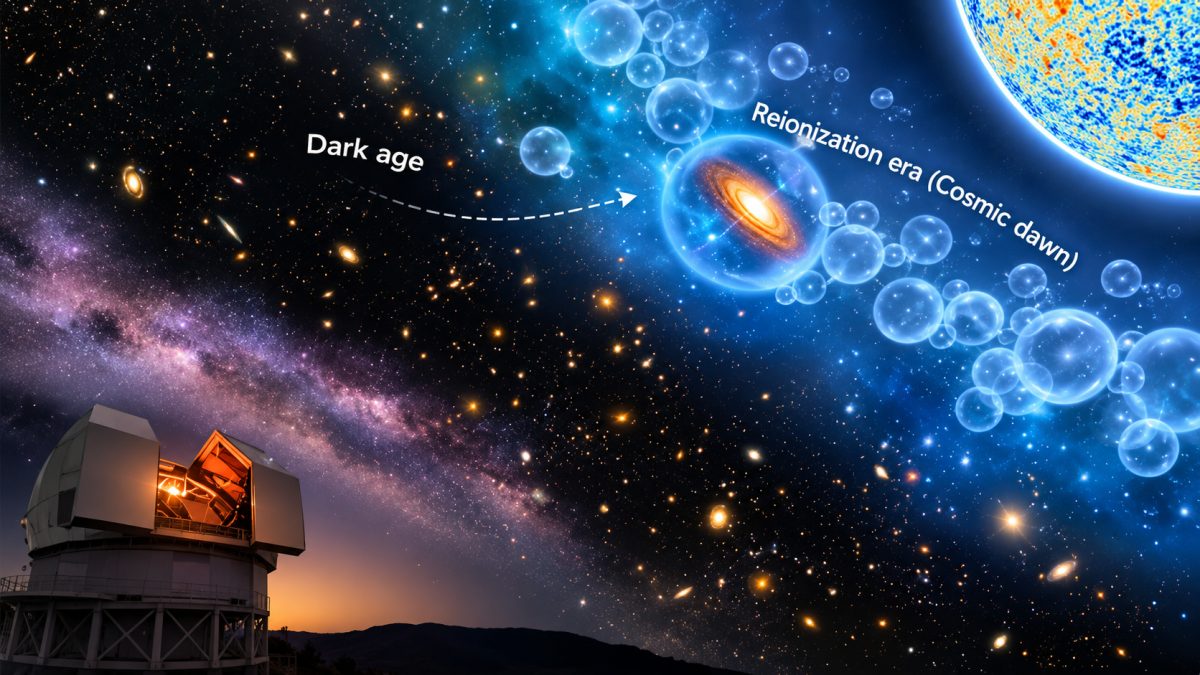
What Ended the Cosmic Dark Age? New Study Upends Old Supernova Theory
Ironstone Bonebed Moab Dig Opens Near Arches National Park
Utah Geological Survey crews officially started digging at the Ironstone Bonebed in mid-October 2026. The spot sits on Bureau of Land Management land in northern Grand County, close to Arches National Park and about six miles east of another UGS dig called Doelling's Bowl.
The name comes from the ironstone coating found on many of the bones pulled from the ground. Utah State Paleontologist Jim Kirkland and Assistant State Paleontologist Don DeBlieux first gathered material from the site years ago before securing a BLM permit to dig further. That long buildup is now paying off, with the team confirming this could be one of the earliest windows into Cretaceous life anywhere on the continent.
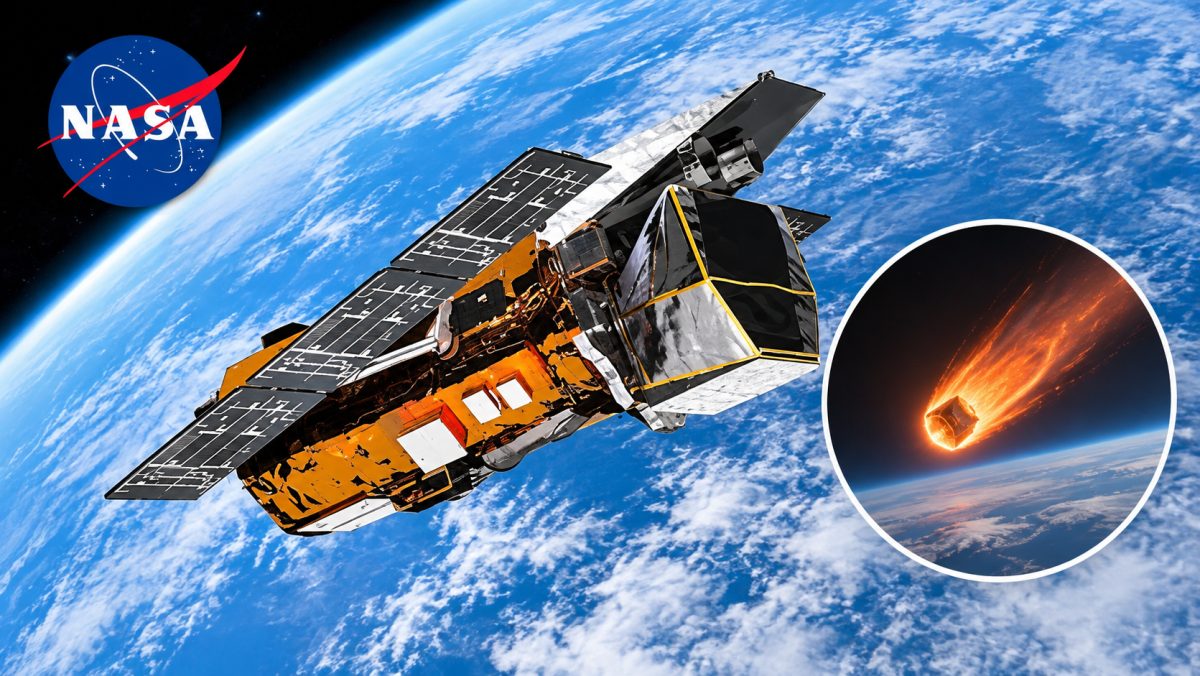
NASA Swift Telescope Reentry Set for Days After Rescue Mission Fails in Space
Fossils Point to Four Dinosaur Types and a Possible New Species
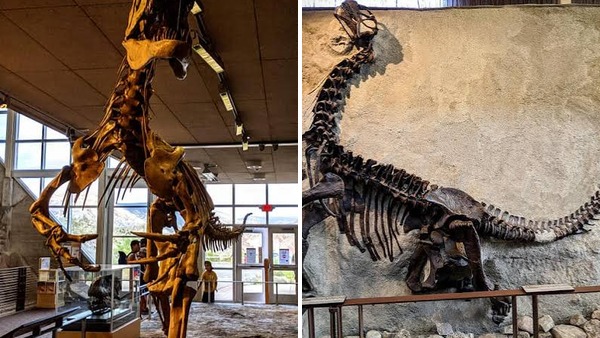
So far, researchers have found signs of at least four different dinosaur groups at Ironstone. That includes an armored dinosaur, a plant-eating iguanodont relative, a small meat-eater, and a bigger predator. Turtle remains have also shown up, though scientists haven't pinned down exactly which turtle species they belong to yet.
Don DeBlieux called the deposits "some of the oldest sites in the whole Cretaceous of North America." Jim Kirkland added, "We already know we have four different kinds of dinosaur here," while noting the dig has barely gotten started. Kirkland believes the armored dinosaur found at the site could turn out to be a brand new species, and he's working to formally describe it. He plans to name it after his longtime colleague DeBlieux.
Why This Dig Matters for Understanding Dinosaur Extinction
Grand County already holds a rich chapter of dinosaur history. The area preserves the shift from the Late Jurassic Morrison Formation, home to famous dinosaurs like Stegosaurus, Allosaurus, and Apatosaurus, into the early Cretaceous world that followed. Scientists have long wondered what happened during that handoff.
A mass extinction wiped out most of Utah's Morrison dinosaur community at the end of the Jurassic, but exactly how that die-off unfolded is still murky. The Ironstone Bonebed could help fill that gap because its fossils seem to come from right after that turnover. By studying which animals show up here, researchers hope to learn which dinosaur groups made it through, which ones moved in later, and how the whole food chain reshuffled itself.
Doelling's Bowl gives scientists a helpful comparison point. UGS crews have worked that site for 18 field seasons already, and Kirkland thinks it's roughly the same age as Ironstone. Because the two sites sit so close together and seem to match up in age, researchers can compare them directly to figure out if they represent the same ancient ecosystem or something different entirely.
What Comes Next for the Grand County Excavation
UGS described the Ironstone Bonebed as potentially holding the key to understanding "a major evolutionary turning point," referring to the Jurassic-Cretaceous transition. That's a bold claim, and officials are careful to note it's still a working theory rather than a settled fact. More digging, lab work, and peer review will be needed before anything gets locked in.
The excavation is continuing, with researchers hoping to nail down a more precise age for the rock layers and figure out whether the bones piled up from one sudden event or built up slowly over time. No full fossil count or finish date has been announced yet. The BLM, which oversees the land, will continue working with UGS as the dig expands.
A Partnership Entering Its Final Chapter
For Kirkland and DeBlieux, this dig carries personal weight too. DeBlieux is planning to retire, and the Ironstone project may represent one of the last major digs the two scientists tackle together after years of fieldwork across Utah. Naming the possible new armored dinosaur after DeBlieux would cap that partnership in a fitting way.
No competing museum or university has publicly weighed in on the find yet, and there's no confirmed plan for public tours or visitor access to the remote site. For now, the real work is happening quietly in the desert, one ironstone-coated bone at a time, as scientists piece together a story that stretches back more than 138 million years.