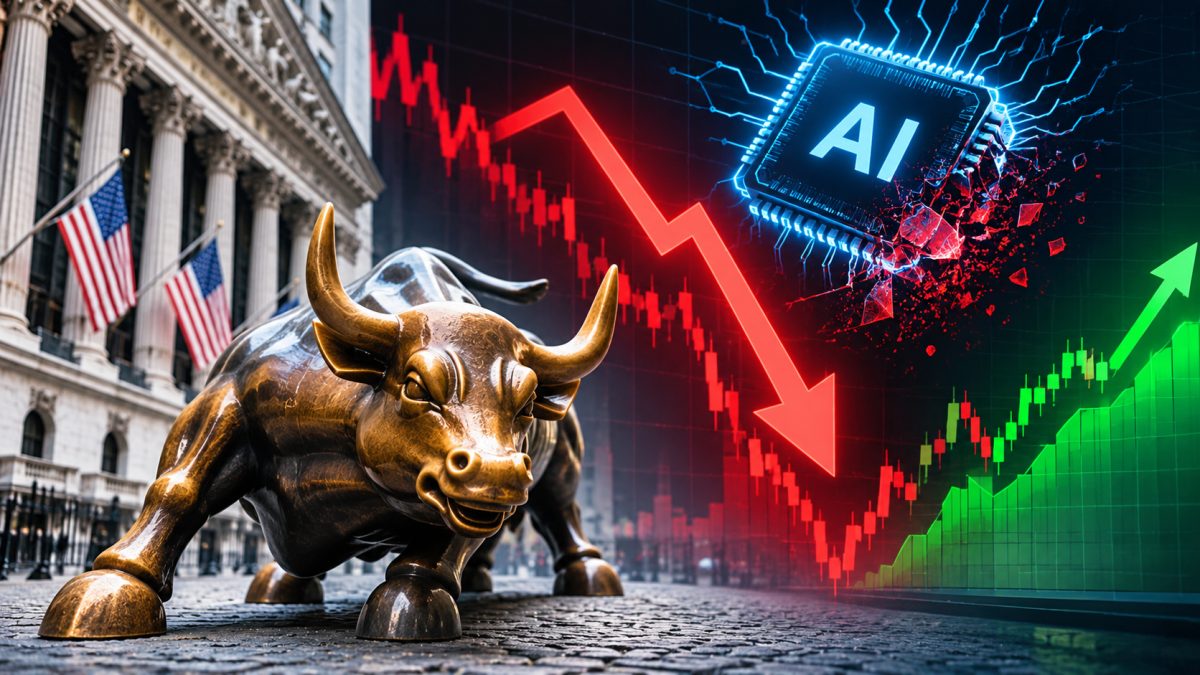

Nvidia and Alphabet got crushed, but most of the stock market quietly kept winning this whole time.
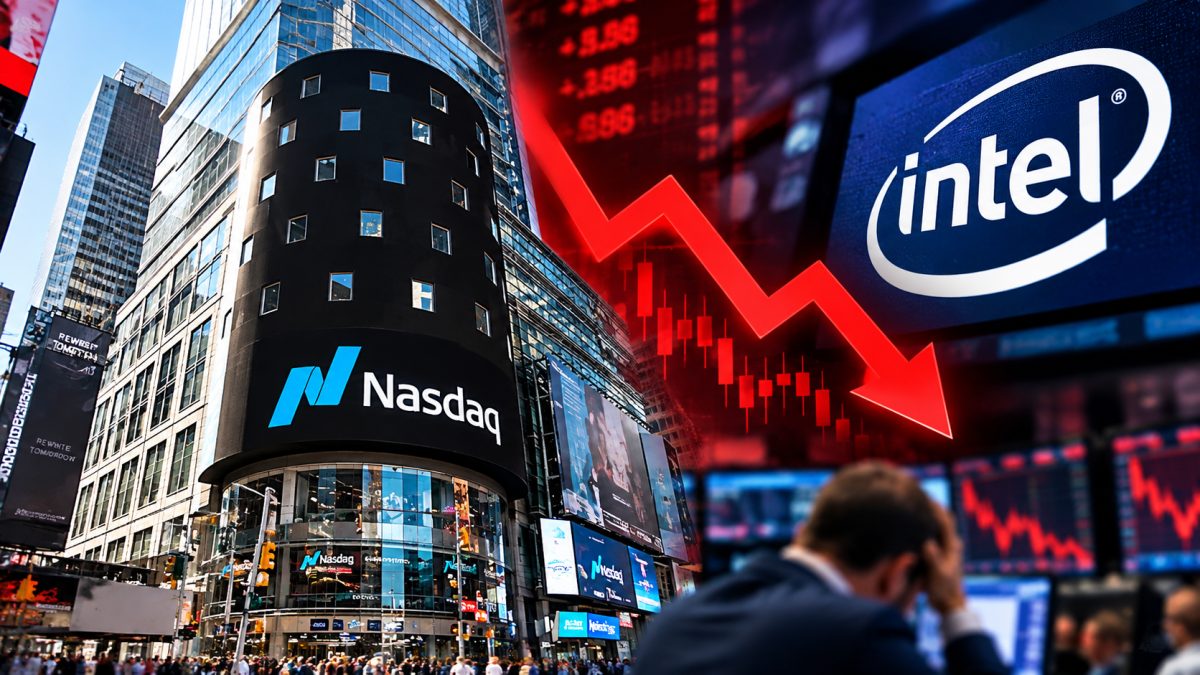
The $5 trillion AI stock wipeout became official in late October 2026, after the biggest artificial-intelligence and chip companies shed roughly $5 trillion in combined market value between October 6 and October 31, according to Yahoo Finance. At the same time, 625 other large U.S. companies gained about $1.3 trillion, showing this was not a market-wide crash.
Inside the AI Graveyard: Why Humane, Relay and Character.ai Fell Apart
How the $5 trillion AI stock wipeout unfolded
The damage built up fast during the last week of October. Nasdaq-100 futures dropped about 2.5% heading into October 30, while S&P 500 futures also slipped. Dow futures actually rose a little, since those companies carry much less tech exposure. That gap told a simple story: investors were not scared of stocks in general. They were scared of AI stocks specifically.
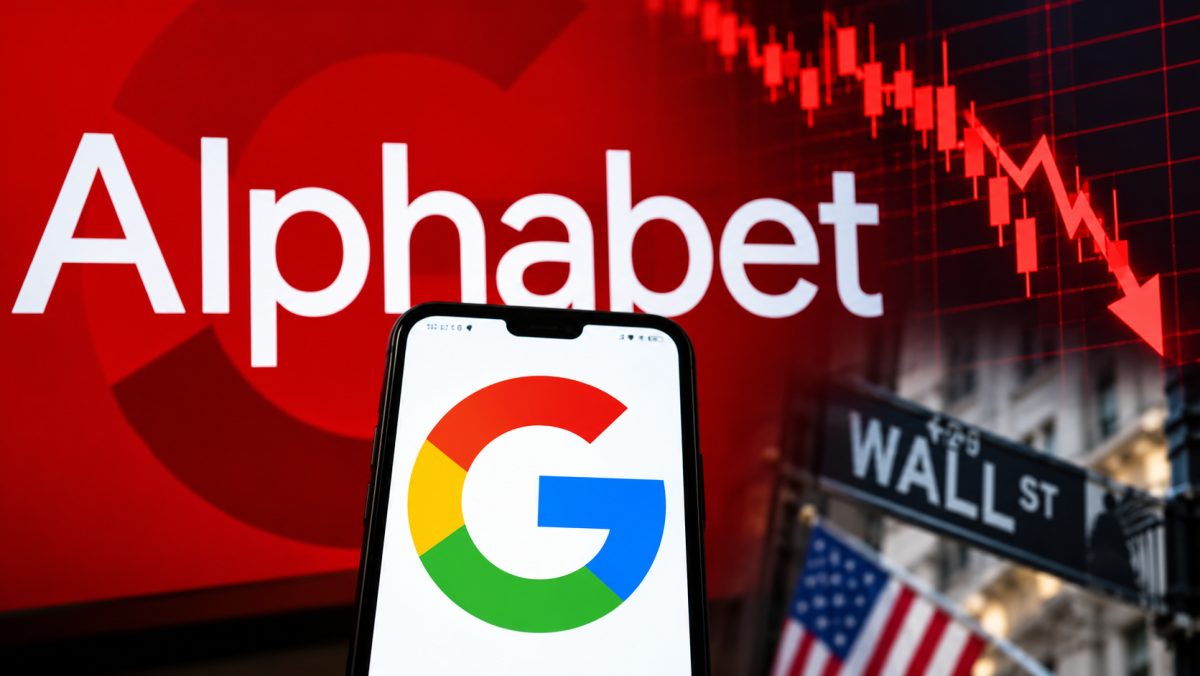
Alphabet took the hardest single hit. Its shares fell more than 12% on October 29, wiping out close to $500 billion in value in just one trading session. Investors were rattled by signs that Google search advertising might be slowing down, right as the company keeps pouring more money into AI spending. Alphabet's revenue came in roughly where analysts expected, but net income and earnings per share missed forecasts, partly due to paper losses tied to equity holdings.
Nvidia and Alphabet each lost about $835 billion in market value from October 6 through the end of the month. Intel had it even worse, losing nearly half its value during October. Amazon added more pressure after its quarterly results disappointed investors, and Intel's weak outlook only deepened fears that AI spending is growing faster than the profits coming back from it.
Rosneft Ukraine Refinery Strikes Push Russian Oil Giant Toward Lasting Damage
Big Tech earnings spark fears about AI spending payoff
The earnings season basically confirmed what skeptics had been warning about for months. Big profits from AI are still a long way off for a lot of these companies, even though the spending keeps climbing. Amazon, Alphabet, ServiceNow, and Meta all saw their stock prices drop after reporting results, and the Nasdaq-100 lost roughly 4% for the week, erasing more than $1 trillion in value. The S&P 500 fell more than 2% on that Friday alone.
Bank of America strategist Michael Hartnett summed up the mood bluntly, calling it "risk-off until global rate hike ends." He pointed to 42 interest rate hikes by central banks around the world over the prior six months as a key reason markets stayed jumpy. The timing made things worse. The Federal Reserve had just held interest rates steady on October 28, but two officials actually voted for a rate hike instead, a signal that cheap money days might not be coming back soon.
Higher rates hit expensive, fast-growing tech stocks the hardest because investors have to rethink what future profits are actually worth today. After a long AI rally pushed valuations sky high, any hint of disappointing earnings or guidance was bound to trigger a sharp reaction. That is exactly what happened.
Not every stock joined the selloff
Here is the part that surprised a lot of traders. Despite the beating AI and chip stocks took, nine of the S&P 500's eleven sectors actually gained about 1% or more that same week. Yahoo Finance noted this kind of breadth during a down week for the overall index has not happened since at least 1999. That is a pretty rare pattern.
What it suggests is rotation, not panic. Money did not necessarily leave the stock market. It moved. Investors pulled cash out of crowded AI and semiconductor trades and put it into other sectors that had been left behind during the AI boom. AMD, for example, was still trading about 17% below its October 6 record close, caught up in the broader semiconductor selloff tied to worries over how all this AI infrastructure is being financed.
What comes next for AI stocks and investors
Some analysts actually see a silver lining here. Jeff Hirsch of the Stock Trader's Almanac pointed out that history suggests the months ahead could turn out to be a strong stretch for stocks, based on seasonal patterns that often follow a rough October. That view does not erase the real concerns about AI spending, but it does offer a counterpoint to the doom and gloom headlines.
Investors and some tech executives are already preparing for more turbulence. Demand for hedging tools like put options has picked up, according to reporting tied to concerns over whether trillions of dollars in AI investment can really pay off the way Wall Street hoped. The coming weeks will bring more earnings, more spending guidance from hyperscalers, and more signals from the Federal Reserve about where rates are headed next.
The real test is simple. Can companies like Nvidia, Alphabet, Amazon, and Intel show that all this AI spending is actually turning into real revenue and real profit? Until there is clear proof, expect more swings. But the fact that most of the stock market held up just fine during this scare suggests investors are not giving up on stocks. They are just getting pickier about which ones they trust with their money.