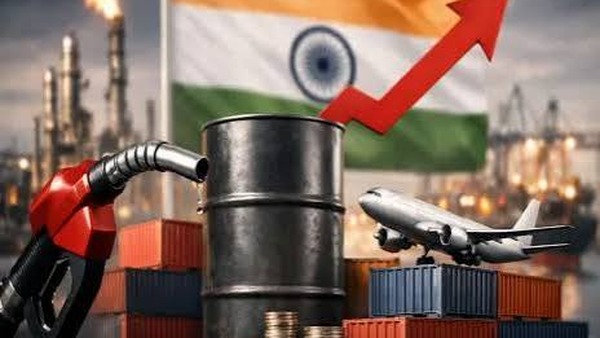

Diesel and jet fuel shippers now pay more, but petrol exporters just got a clean break from the tax.
India's Finance Ministry raised the windfall gains tax on diesel and aviation turbine fuel exports while slashing the petrol export levy to zero, effective October 31, 2026, according to an official notification reviewed as part of the government's routine fortnightly tax reset.
Indian Stock Market Monday Outlook: Can Sensex, Nifty Keep Rally Alive?
India Windfall Tax Diesel Exports Rise Sharply
The combined special additional excise duty and road and infrastructure cess on diesel exports jumped to ₹11.50 per litre, up from ₹8.50 per litre. That's a ₹3 increase in just two weeks. Aviation turbine fuel exporters saw a smaller bump, with the levy rising 50 paise to ₹11 per litre from ₹10.50 per litre.
Petrol exporters got the opposite treatment. The government wiped out the ₹2.50 per litre duty that had been in place since mid-October, bringing the rate down to nil. This kind of split decision isn't unusual in India's windfall tax system, where each fuel moves on its own based on separate price signals and export margins.
India West Asia Crisis Fuel Fertiliser Stocks: Why Officials Say There's No Shortage
Why the Government Adjusts These Rates Every Two Weeks
India first rolled out windfall taxation on petroleum products back in 2022, right after global crude prices and refining margins spiked following disruptions tied to the Russia-Ukraine war. The idea was simple: when refiners and crude producers make unusually large profits from exports, the government captures a slice of those gains through a special duty.
Since then, the Finance Ministry has reviewed these rates roughly every fortnight. That means rates can swing up or down fast, and not always in the same direction for every fuel. Diesel, petrol and ATF each have their own international pricing and demand patterns, so a jump in one doesn't automatically signal a jump in another.
Just two weeks before this latest change, on October 16, the government had actually raised the petrol export levy to ₹2.50 per litre and trimmed the diesel rate down to ₹8.50 per litre, leaving ATF untouched. Now that's been reversed for petrol and pushed higher for diesel and ATF, showing just how quickly these numbers can flip based on shifting global oil conditions.
What the Notification Actually Says and What It Doesn't
The Finance Ministry notification confirmed the new rates take effect from October 31 and apply for the following fortnight, subject to another review. Importantly, the ministry made clear there is no change in the existing duty rates on petrol and diesel cleared for domestic consumption. This is strictly an export story.
That distinction matters a lot for ordinary readers. Nothing in this notification touches what drivers pay at the pump in India or what airlines pay for jet fuel used domestically. The tax only applies to fuel that refiners ship out of the country. No finance minister quote or named spokesperson statement was included in the notification coverage, but the wording on domestic rates was specific and unambiguous.
Who Actually Feels the Impact of This Tax Shift
The real-world effect lands squarely on Indian refiners with export operations, both state-run and private players who sell diesel, petrol and jet fuel overseas. Higher diesel and ATF duties mean slightly thinner margins on every litre shipped abroad, unless international prices move in their favor to offset the extra cost. Petrol exporters, meanwhile, get some breathing room now that their duty has dropped to zero.
No company has issued a public statement quantifying how much this will cost them in lost export revenue, at least not yet. Indian motorists and airline passengers won't notice anything different because retail fuel pricing in the domestic market runs on a completely separate track from these export duties. It's refiners and traders watching the global tanker markets who are paying closest attention to this notification.
What Comes Next for India's Fuel Export Taxes
These rates aren't permanent. They're locked in for the current fortnight only, which means another review is already on the calendar. Depending on where crude oil prices head, how refining margins shift, and what's happening with global diesel and jet fuel benchmarks, the next notification could push rates higher, lower, or leave them exactly where they stand now.
Watch for the next Finance Ministry or Central Board of Indirect Taxes and Customs update, along with movements in international diesel and ATF prices, as the clearest signals of where this is headed. There's no fixed long-term schedule here, no pending court case, and no company earnings call tied directly to this announcement in the available record. It's simply India's ongoing, fast-moving system for taxing windfall profits from fuel exports, recalibrated every two weeks as global energy markets keep shifting.