
Farmers and drivers are being told not to worry, even as a faraway conflict threatens the ships that carry India's fuel and fertiliser.
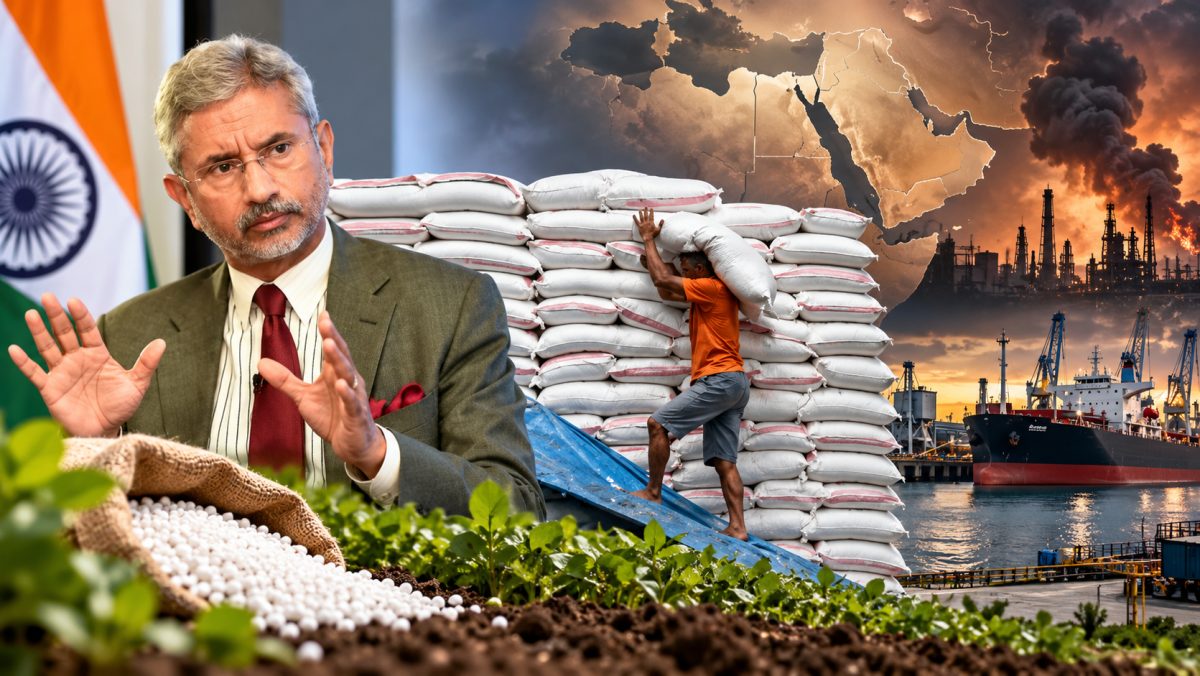
India's government says the country has enough fuel and fertiliser to get through the ongoing West Asia crisis, even with shipping risks building around the Strait of Hormuz. Officials confirmed this week that crude oil, petrol, diesel, LPG, LNG and fertiliser stocks remain steady, with combined fuel reserves covering roughly seven to eight weeks of national demand.
India Festive Smartphone Market 2026: Why Sales Will Fall Even As Prices Rise
Government Response To West Asia Crisis Fuel Fertiliser Stocks Concerns
The Department has repeated, in briefing after briefing, that there is no immediate danger of running short. Officials said India currently holds more than 250 million barrels of crude and fuel stocks spread across strategic reserves, refinery storage, pipelines and ships already on their way to Indian ports. That stockpile is what lets the government say supplies are safe even as tensions in the region keep rising.
Refineries have kept running at high capacity through the crisis, and officials say petrol, diesel and LPG levels remain comfortable for now. At the same time, the government has been working to line up extra LNG and regasified LNG shipments, since natural gas feeds directly into fertiliser plants that produce urea. This is the quiet engine room of the whole response: keep the refineries humming and keep gas flowing to the fertiliser factories, even if the usual routes get risky.
Rupee Hits 94.38 as Jio IPO Inflows Trigger Six-Week High Rally
Fertiliser Stocks Climb Well Above Last Year's Levels
On the farming side, the numbers look even stronger. Government data from early March showed total fertiliser stocks at 177.31 lakh metric tonnes, compared to just 129.85 lakh metric tonnes at the same time last year. That is a jump of roughly 36.5 percent. Inside that total sat 59.30 lakh tonnes of urea, 25.13 lakh tonnes of DAP, and 55.87 lakh tonnes of NPK fertilisers, giving farmers a wide cushion heading into the growing season.
A later review in October placed total fertiliser stocks around 180 lakh metric tonnes, still described as higher than the year before and enough to cover the Kharif season. By February, India had already imported 98 lakh metric tonnes of finished fertiliser, with another 17 lakh tonnes expected to arrive over the following three months. Officials also promised that gas supplies for urea plants would get national priority if global LNG markets got tighter, a signal aimed squarely at farmers worried about planting season shortages.
Strain Shows Up In Monthly Urea Production Numbers
Despite the reassurance, cracks have appeared. Monthly urea output fell to around 18 lakh tonnes in October, well below the usual monthly average of about 24 lakh tonnes. Officials blamed gas availability problems and scheduling issues at fertiliser plants, not a lack of raw material on paper. Separately, LNG availability for fertiliser plants was estimated at only 75 to 80 percent of what plants normally need, forcing companies to hunt for spot cargoes to fill the gap.
This is the real tension in the story. The government keeps saying stocks are fine, and the inventory numbers back that up. But the production slowdown shows that keeping the pipeline full gets harder the longer the crisis drags on. Officials have leaned on accumulated stock and scheduled imports to paper over the dip, but that only works if the gap does not widen further.
Prime Minister Flags Strategic Reserves And Longer-Term Fixes
Prime Minister Narendra Modi addressed the situation directly in Parliament in March, telling lawmakers the government was making every effort to keep petrol, diesel, gas and fertiliser supplies uninterrupted and to protect citizens from hardship. He said India held more than 53 lakh tonnes in strategic petroleum reserves, with another 65 lakh tonnes of capacity under development. He also pointed to longer-term moves like ethanol blending, railway electrification and expanded public transport as ways to cut dependence on imported fuel over time.
In late October, Modi chaired a Cabinet Committee on Security review where officials briefed him on the geopolitical situation and the steps taken to secure petroleum products, LNG, LPG and fertilisers. That same review looked ahead at fertiliser needs for the coming Rabi season and examined alternative supply sources in case the crisis drags on. A day later, officials again said there was no shortage of fuel, fertilisers or seeds, noting that fertiliser stocks equaled 46 percent of national requirement as an opening buffer.
Economists Push For Wider Monitoring Of Supply Chokepoints
Not everyone thinks stockpiles alone are the answer. S Mahendra Dev, chairman of the Economic Advisory Council to the Prime Minister, has argued that India needs to identify and actively monitor chokepoints across energy, food, fertilisers, metals and critical minerals, not just react when a crisis hits. He has pushed for India to manage both supply risks and price risks together, rather than leaning only on foreign exchange reserves and food stocks the way it has in the past.
That advice points to what comes next. If the West Asia crisis stays contained, India's current buffers of fuel and fertiliser should carry the country through without major disruption. But if shipping through the Strait of Hormuz gets harder or more expensive for longer, the government will likely need more spot LNG purchases, bigger strategic reserves, tighter control over gas allocation, and probably more money spent on fertiliser subsidies to keep prices steady for farmers.