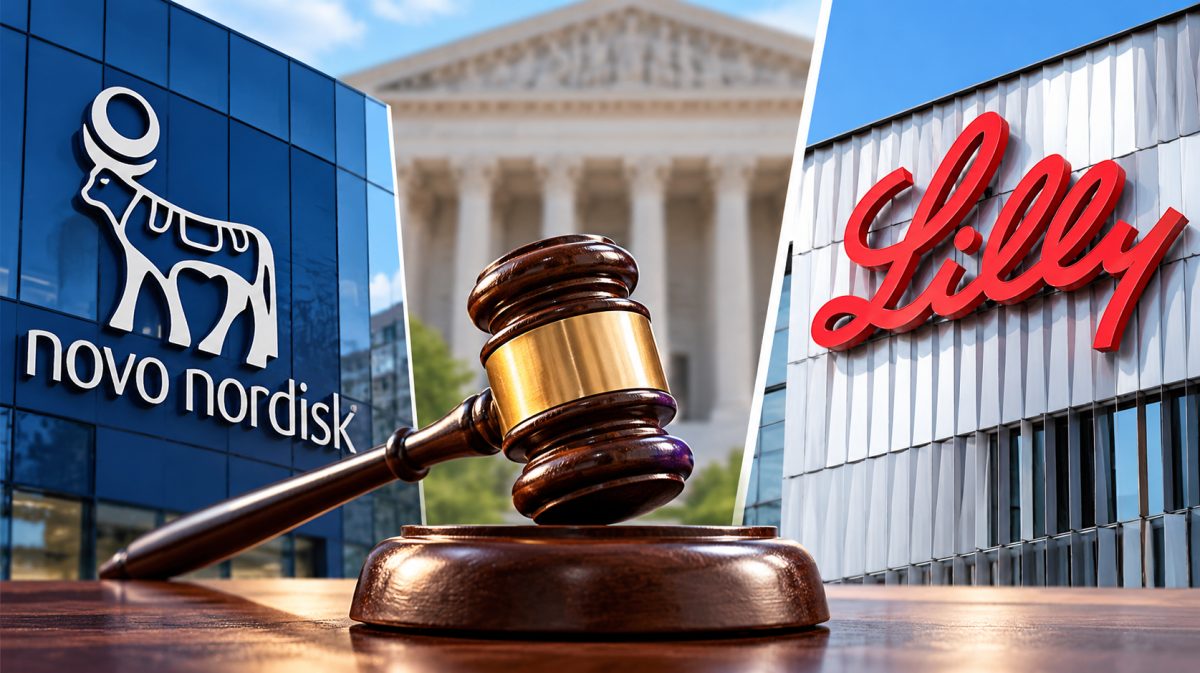

A federal judge just gave Eli Lilly a green light to keep running its weight-loss drug ads, at least for now.
U.S. District Judge Zahid Quraishi on October 26, 2026, denied Novo Nordisk's request to immediately halt Eli Lilly's advertising for Zepbound and Mounjaro, ruling from a Trenton, New Jersey courtroom that the Danish drugmaker had not proven it would suffer harm severe enough to justify an emergency order. The decision means Lilly's contested ad campaigns can keep running while the larger lawsuit moves forward.
137 Cancer Drugs Trade Margin Cap India: Will Your Bill Actually Drop?
How the Eli Lilly Novo Nordisk ads ruling unfolded
Novo Nordisk filed its lawsuit against Eli Lilly in July 2026, accusing the company of running nationwide ads that were false and materially misleading. The core complaint was simple but serious. Novo said Lilly's ads compared higher doses of Zepbound and Mounjaro against lower doses of Novo's own drugs, Wegovy and Ozempic, making Lilly's products look more powerful than they really are when matched fairly.
On July 21, 2026, Novo made its move public, announcing it was taking action to stop what it called multiple misleading national GLP-1 advertising campaigns. The company argued that leaving out information about the most effective injectable doses of Wegovy and Ozempic gave consumers an unfair and inaccurate picture. Novo wanted the court to act fast, asking for a preliminary injunction that would freeze Lilly's advertising immediately, before the case even reached trial.
Quraishi held a two-day hearing on August 27 and 28, 2026, listening to arguments and evidence from both sides. Nearly two months later, he issued his ruling. He found Novo's case for urgent harm lacking, writing that the company's showing of irreparable harm was inadequate to warrant the extraordinary relief it sought. That single sentence effectively ended Novo's attempt to silence the ads before trial.
Heath Ledger Death: How Six Prescription Drugs Ended His Life at 28
Why the judge said no to an emergency order
Getting a preliminary injunction is not easy under U.S. law. A company has to show more than just an unfair ad campaign. It must prove a strong case on the merits, a type of harm that money alone cannot fix later, and that stopping the other side immediately is the fair thing to do. Novo ran into trouble clearing that bar.
According to reporting on the decision, Quraishi looked closely at the actual impact of Lilly's ads between April and July 2026 and found it negligible at most. Prescriptions for Novo's products stayed stable during that stretch, which undercut the idea that Novo was being seriously damaged in real time. The judge reportedly found Novo's witnesses credible, but credibility alone was not enough to meet the legal threshold required for an injunction.
Quraishi also suggested that any harm Novo did experience that rose above negligible levels could likely be fixed later through money damages rather than an emergency ban on advertising. That reasoning matters because it shows the judge was not dismissing Novo's underlying concerns outright. He was simply saying the situation did not call for the drastic step of shutting down a national ad campaign before the full case had been heard.
What the drugs and the dispute are really about
At the center of this fight are four familiar names in the booming weight-loss and diabetes drug market. Lilly's Zepbound and Mounjaro both contain tirzepatide, while Novo's Wegovy and Ozempic are built on semaglutide. Zepbound and Wegovy target obesity, while Mounjaro and Ozempic are approved for type 2 diabetes. These drugs have turned into some of the most profitable products in the pharmaceutical industry, and that success has fueled fierce competition between the two companies.
Novo's lawsuit claims Lilly's comparative marketing violated both federal and state laws against false advertising and unfair competition. Lilly has denied any wrongdoing and successfully fought off Novo's request for an interim ban. Neither side has had the core legal questions resolved yet. Quraishi's ruling addressed only the request for immediate action, not whether Lilly's claims about its drugs are actually true or misleading under the law.
What this means for the obesity drug market going forward
For Eli Lilly, the ruling is a clear short-term win. The company can keep its Zepbound and Mounjaro campaigns running nationwide without interruption while the lawsuit grinds through the courts. For Novo Nordisk, it is a setback in a broader battle to protect market share for Wegovy and Ozempic at a time when both companies are fighting hard for position in a market worth tens of billions of dollars a year.
The case is far from over. Novo's underlying lawsuit still needs to be litigated, and the eventual outcome could range from dismissal to a settlement to a future ruling that forces Lilly to change its advertising or pay damages. Until then, Lilly keeps its marketing freedom, and Novo will have to make its case the long way, through a full trial rather than an emergency court order. The dispute shows how the rivalry between these two drug giants has spread beyond pricing and supply into a fight over how their medicines get described to the public.