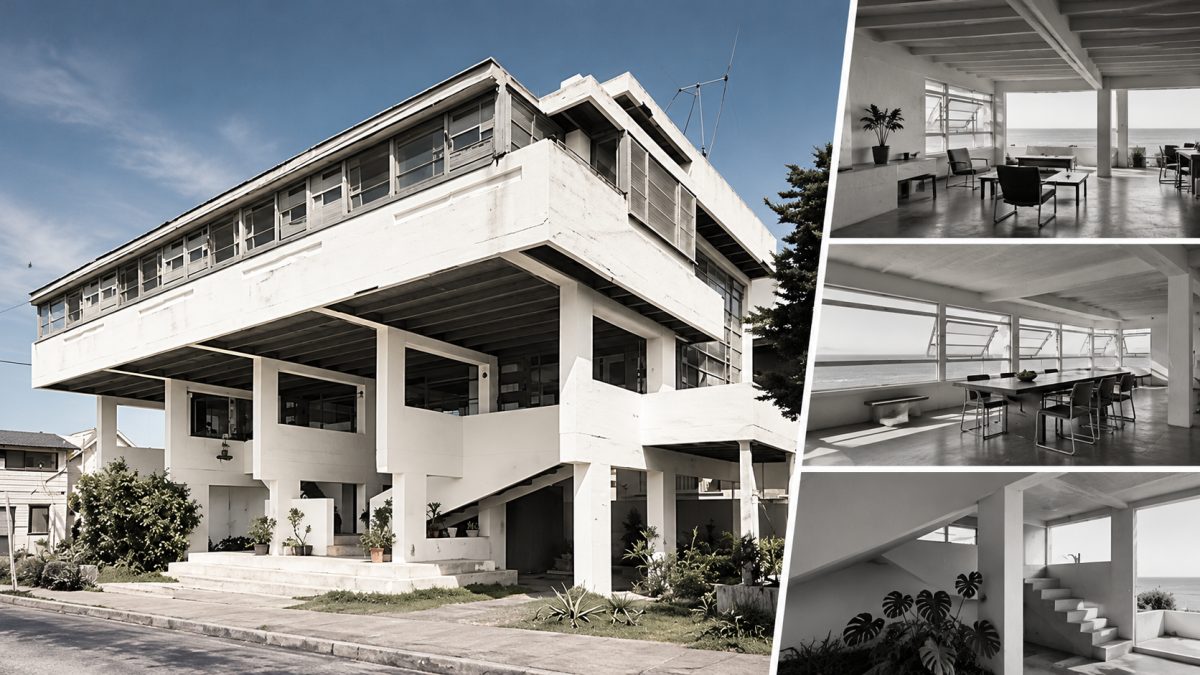

A naturopath obsessed with fresh air convinced an architect to build a house with no bedrooms at all.
The Lovell Beach House in Newport Beach, California, was built around 1926 for naturopath Philip M. Lovell by architect Rudolph M. Schindler, replacing traditional bedrooms with four open-air sleeping porches designed around Lovell's health philosophy.
HUD Investigates Wells Fargo Over Black Homeownership Programs, Why Race Based Lending Is Under Fire
Lovell Beach House Traded Bedrooms For Open Air
Most people building a family home in the 1920s wanted cozy bedrooms with solid walls and doors that shut. Philip Lovell wanted the opposite. He asked Schindler to design a house where his family could sleep outside, or close to it, every single night. The result was a home with four sleeping porches instead of bedrooms, each one paired with a small dressing area nearby.
This wasn't a quirky add-on. It was the whole point of the house. Lovell believed that fresh air, sunlight and exposure to the outdoors were essential to good health. He wanted his home to force that lifestyle on his own family, not just suggest it. The sleeping porches gave everyone a place to rest with open air flowing around them, something a normal bedroom simply could not offer.
Newport Beach made this possible in a way few other places could. The coastal climate meant mild temperatures and steady sea breezes nearly all year. Schindler could design sleeping porches that actually worked as everyday living space, not just a nice feature for a few warm months. The location was not incidental. It was part of the design logic from day one.
Youngstown Sewage Repairs Cost Cutting Plan Could Spike Your Bill 14%
Philip Lovell's Wellness Beliefs Shaped Every Decision
Lovell was not a quiet hobbyist with strange ideas kept to himself. Throughout the 1920s, he wrote a column for the Los Angeles Times called Care of the Body, where he told readers across the city how to live. His advice included clean air, sunbathing in the nude, and a diet consisting solely of raw vegetables, according to the Wall Street Journal's account of his published recommendations.
That column gave Lovell a public platform most homeowners never have. He wasn't just building a house for his family. He was building a working example of everything he preached in print. Visitors and readers could see his beliefs standing in wood, concrete and open air, right on the Newport Beach coastline.
This mix of public advocacy and private home-building is part of what makes the house stand out today. It wasn't designed to impress guests with luxury. It was designed to prove a point about how people should live. Every sleeping porch, every dressing area, every open terrace tied back to Lovell's core message about health and the body.
Rudolph Schindler Turned A Health Theory Into Architecture
Schindler faced an unusual challenge. He wasn't just designing a pretty beach house. He had to take a naturopath's personal health theory and turn it into something that actually functioned as a home. That meant rethinking how rooms connect, how people move through the house, and how much of daily life could happen outdoors instead of behind walls.
His answer was a structure built around platforms, terraces and specialized outdoor zones rather than the usual string of enclosed rooms. The house sits in an elevated, sculptural form, with its structural system left exposed rather than hidden. On a narrow coastal lot, that approach let Schindler carve out open terraces and sleeping areas without wasting space on walls and hallways that Lovell didn't want anyway.
Architectural historians generally treat the Lovell Beach House as an important early marker in the rise of Southern California modernism. Schindler wasn't working from a rulebook here. He was responding directly to one client's unusual demands, and that pressure pushed him toward design choices that felt radical for the period.
A Home Built Around One Man's Theory Of Living
What makes this story stick is the tension at its core. The Lovell Beach House could have been a simple open-air shack, nothing more than a health retreat with big windows. Instead, it became a serious piece of architecture, technically ambitious and carefully planned, while still answering to Lovell's strict ideas about sunlight, air and bodily freedom.
That tension is still what draws attention to the house generations later. It represents a moment when personal belief and professional design pushed each other to extremes, producing something neither side would have built alone. Lovell needed Schindler's skill to make his theories livable. Schindler needed Lovell's unusual demands to break from conventional home design.
Current details about the home's ownership, market value, size or preservation status are not confirmed in available records tied to this story. What remains clear and verified is the original design itself: a 1926 beach house in Newport Beach, built without bedrooms, where four sleeping porches once let one family live out a naturopath's vision of health, one night of open air at a time.