
City leaders say there's no way around it, sewer bills have to climb if Youngstown wants to keep the lights on and the water clean.
Youngstown officials met in October 2026 to figure out how to pay for a massive sewage treatment overhaul that could cost close to $400 million, and the plan on the table mixes city spending cuts with sewer rate hikes as steep as 14% a year. The push comes from a federal mandate tied to protecting Mill Creek from sewage overflows.
Halloween Candy Prices at Walmart, Target and Publix: Who Really Wins in 2026?
Youngstown Sewage Repairs Cost Cutting Talks Heat Up
A city committee gathered on a Friday morning in October to hash out the numbers, and the picture they laid out wasn't pretty. The project's full price tag sits around $400 million, and officials say this is an unfunded mandate from the EPA, meaning Washington is requiring the fix but not footing the bill. That leaves Youngstown searching for cash through higher rates and trimmed municipal budgets.
The city already has 5% annual wastewater rate increases scheduled through 2028. Now leaders are talking about tacking on another 9 percentage points, which would push the total hike to roughly 14% a year for the next two years, then keep that pace going for three more years after that. For a city with a shrinking tax base and plenty of other financial pressures, that's a heavy lift for households already stretched thin.
Finance Curse: How Britain's Banking Boom Cost £4.5 Trillion
Debt Service Numbers That Stunned Council
Finance Director Kyle Miasek didn't sugarcoat what's coming. He told council the city's debt service on this project could jump from about $5 million a year to $21 million a year. That's just the repayment piece, too. It doesn't include what it will actually cost to run the new treatment facility once it's built.
"Our operating costs are going to escalate dramatically when we take on this new debt service," Miasek said, laying out the jump from five million to twenty-one million in blunt terms. Deputy Director of Public Works Chuck Shasho backed up the urgency, telling council members plainly, "We will 100% not get the financing if we don't raise the rates." His point was simple: lenders won't hand over hundreds of millions of dollars unless the city shows it can pay it back, and that means higher bills for everyone connected to the sewer system.
Mill Creek Mandate Traces Back to Aging Pipes
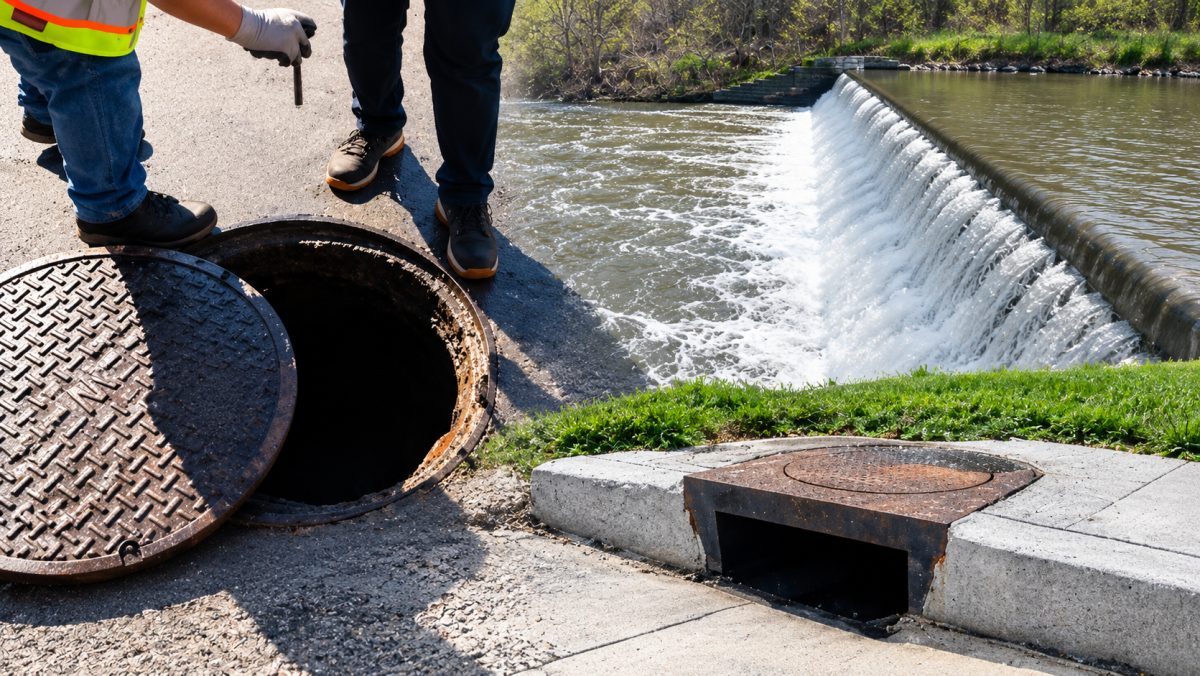
The root of this problem goes back decades. Youngstown, like a lot of older industrial cities, has a combined sewer system where stormwater and sanitary sewage flow through the same pipes. When it rains hard, that system can overflow, dumping untreated waste into local waterways including Mill Creek. Federal regulators have ordered the city to fix it.
A court approved a revised cleanup plan in 2025 built around a $43 million Combined Sewer Overflow project. That plan called for upsizing or replacing thousands of feet of old brick sewer lines and getting rid of three overflow chambers that were letting waste escape during storms. Phases I and II of that work were set to begin in January 2026, with Phase III following in April 2028. The broader Mill Creek project is expected to wrap up in 2032, and a new treatment plant going up next to the existing facility should be finished by 2031.
Youngstown has already spent about $74 million completing the first phase of the larger $400 million program. The remaining phases are estimated at roughly $330 million, which explains why the financing conversation has turned urgent. City officials also sought nearly $43 million through the Water Pollution Control Loan Fund for the Mill Creek Interceptor Sewer Project, and council approved about $141,000 to help the Ohio Water Development Authority arrange that loan.
Residents Already Feeling the Pinch
This isn't coming out of nowhere for Youngstown ratepayers. In August 2026, City Council voted 6-0, with Councilwoman Cynthia McWilson absent, to approve about $7.3 million for initial wet weather facility work and utility relocation tied to the project. Earlier that year, in March, the city's Board of Control considered more than $13.5 million in professional service contracts just to finish the final design work, with the total landing at $13,527,223.
Mayor Derrick McDowell has been upfront with residents about why their bills keep climbing. He's pointed to roughly $170 million in EPA-mandated sewer fixes combined with an $83 million dam upgrade at Meander Reservoir as the two big infrastructure projects driving costs higher. McDowell has said he'd like to see federal help to ease the burden on a city that's financially stretched, arguing it's unfair for a shrinking Rust Belt city to shoulder hundreds of millions in mandated upgrades largely on its own.
What Comes Next for Youngstown Ratepayers
City Council plans to pass the legislation needed to lock in financing by mid-November 2026. That means residents should know soon whether the full 14% increases move forward, and for how many years. Construction keeps marching ahead regardless, since the court-ordered schedule doesn't wait for budget debates.
The bigger question hanging over Youngstown is how much of this $400 million burden lands on ratepayers versus what might come from state or federal help down the road. Until that gets sorted out, officials say the city has little choice but to raise rates and cut spending elsewhere, or risk losing access to the loans and grants it needs to finish the job on time.