
A warning letter from one index company set off the worst two-day market crash Indonesia has seen in nearly thirty years.
The Indonesia economic crisis 2026 deepened on October 19 after the Jakarta stock exchange fell to a six-year low, capping a two-day rout triggered by MSCI's warning that it may strip Indonesia of its emerging-market status entirely. The selloff wiped out roughly $65 billion in market value and spread fear through currency and bond markets alike.
DII Buying In Midcap Stocks Q2FY27: Swiggy Stake Jumps 7 Points
Market Meltdown Unfolds Over Two Brutal Days
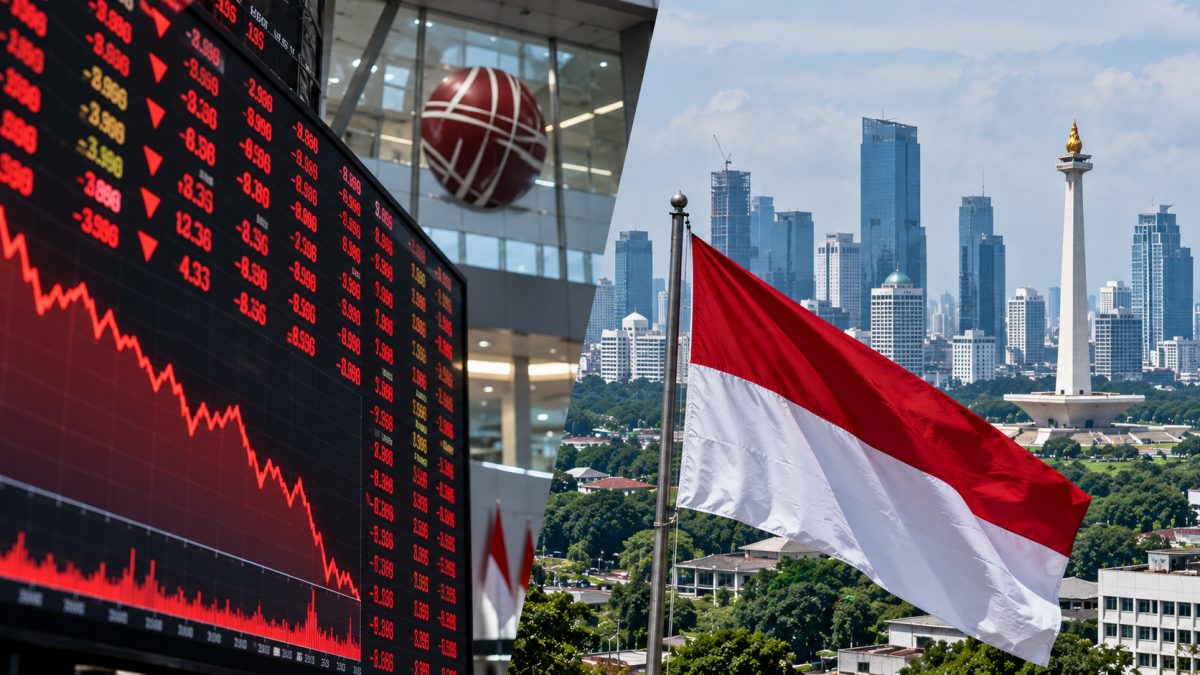
It started on Friday, October 16, 2026, when Indonesia's benchmark stock index dropped 11.6% in a single session, its sharpest one-day fall in almost three decades. The trigger was blunt and simple. MSCI, the global index provider that tells massive investment funds where to put their money, said it was weighing whether to move Indonesia out of emerging-market status altogether and into something called standalone status, a much harsher downgrade than the frontier-market move investors had braced for.
The pain did not stop there. On Monday, October 19, the Jakarta index tumbled more than 5% during the session before closing down 3.6%, landing at a six-year low. Put together, those two trading days formed the deepest two-day selloff on record for Indonesia, reportedly steeper than anything seen during the infamous 1998 Asian financial crisis. Reuters described the mood on trading floors as outright panic selling.
Voya Financial Faces No-Confidence Vote as Activist Investor Questions CEO's Strategic Credibility
MSCI Standalone Status Threat Behind the Indonesia Economic Crisis 2026
MSCI had flagged trouble back in January 2026, warning that Indonesia could be downgraded from emerging-market to frontier-market status over concerns about murky company ownership and questionable trading practices. By October, MSCI concluded that Jakarta had not fixed the problems. The index provider went further than expected, saying even a frontier-market label would not fully capture how serious the issues had become, which is why standalone status was now on the table.
This matters because MSCI classifications guide where trillions of dollars in global fund money flow. If Indonesia loses emerging-market status, index-tracking funds would be forced to sell Indonesian stocks, and many active fund managers would likely pull back too. That kind of exodus raises borrowing costs, weakens the rupiah, and drags stock prices down even further, exactly the spiral investors fear is now underway.
Rupiah Pressure and Everyday Hardship Add to the Strain
The damage did not stay contained to stocks. The rupiah weakened and bond markets wobbled as the crisis spread. Indonesia was already dealing with higher oil prices and rising U.S. interest rates, both of which squeeze dollar supply and put pressure on the local currency. On top of that, fuel shortages popped up in multiple cities, and everyday households felt the pinch from climbing prices.
The New York Times connected these dots in its coverage, describing an economy once seen as a pillar of stability now showing real cracks. The report tied Indonesia's troubles partly to outside forces, including the war in Iran, higher oil costs, and American tariffs, but also pointed directly at President Prabowo Subianto's policies as a factor rattling investor confidence at the worst possible time.
Echoes of 1998 Worry Economists
Ferry Latuhihin, a former chief economist at Bank International Indonesia who also advised an expert council tied to Prabowo's transition team, did not mince words. He called the situation a ticking time bomb. That phrase has stuck because of what it recalls. Back in 1998, an economic collapse in Indonesia helped bring down longtime leader Suharto, and the comparison is not lost on analysts watching today's numbers.
Before the MSCI warning even landed, Indonesian stocks were already down more than 40% for the year, making it the worst-performing major stock market in the world at the time. That context helps explain why the MSCI news hit so hard. Investors were already nervous, and the standalone-status threat gave them a clear reason to run for the exits all at once.
Jakarta Scrambles to Calm Nerves as Next Steps Loom
Indonesian authorities did not take the MSCI warning quietly. Officials demanded an explanation from the index provider, while the Indonesia Stock Exchange moved to reassure traders after the record two-day plunge. So far, those efforts have not undone the damage or convinced markets the worst is over.
The real test now is whether Jakarta can actually fix what MSCI is complaining about, namely ownership transparency and trading practices, while also steadying the rupiah, taming inflation, and stopping fuel shortages from spreading further. A final decision from MSCI on standalone status remains the biggest looming risk. Combined with ongoing pressure from oil prices, U.S. interest rates, and global tariff tensions, Indonesia's economic path over the coming months will depend heavily on whether Prabowo's government can restore the confidence that just evaporated in two brutal trading sessions.