
Scott Bessent says he asked Europe for help months ago, and the answer was a flat no.
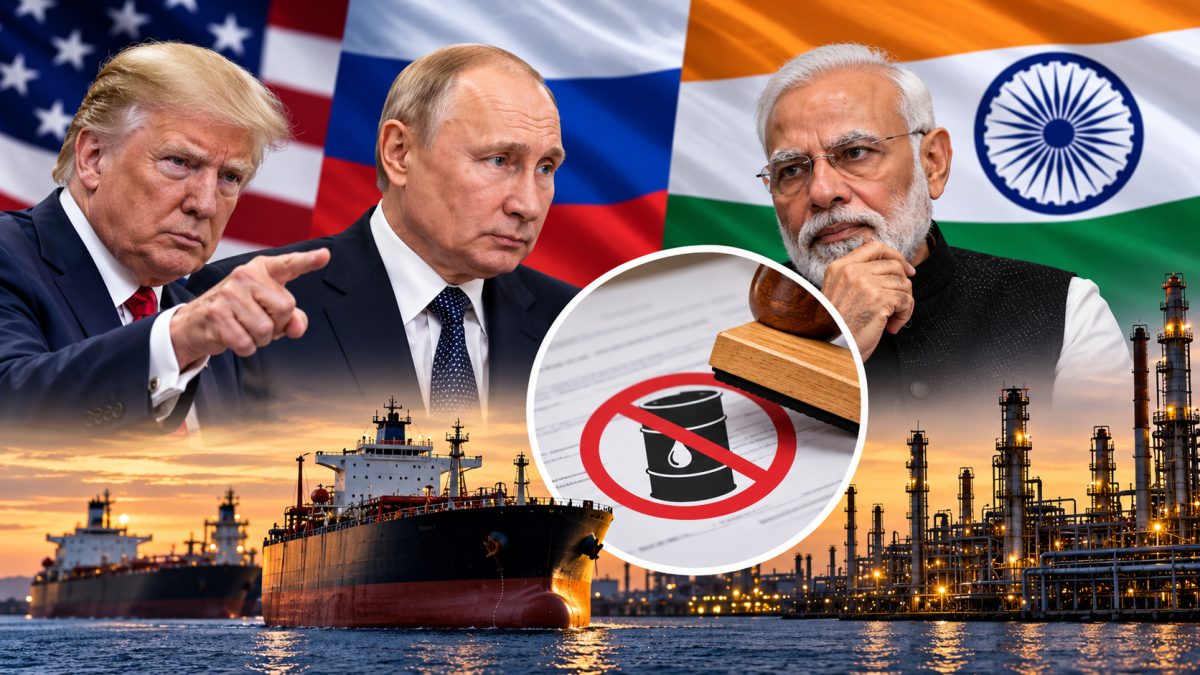
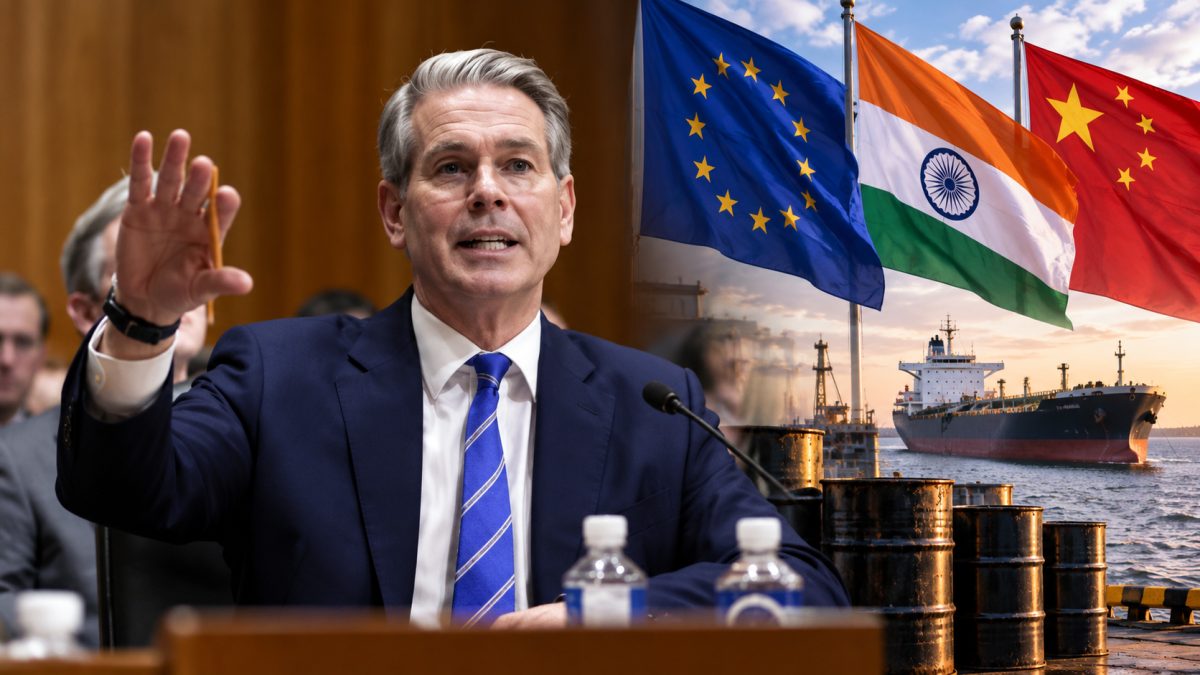
US Treasury Secretary Scott Bessent said on October 18, 2026, that Washington asked European allies back in spring 2026 to join secondary tariffs against India and China for buying Russian oil. He told NBC News' Meet the Press that Europe refused, and he questioned why the United States should carry that economic burden alone.
Russia Sanctions Waiver India GTRI: Why Relief May Not Last Long
Bessent Lays Out the Spring Request on Secondary Tariffs
US Treasury Secretary Bessent says Europe "refused" to put secondary tariffs on India, China for buying Russian oil at Washington's request Vdo csty: NBC News https://t.co/7ZLdq1e7zX
— Sidhant Sibal (@sidhant) October 18, 2026
Speaking on Sunday, Bessent walked viewers through what happened months earlier. He said the Trump administration reached out to European governments hoping they would team up on a shared trade penalty aimed at countries still buying Russian energy. India and China were the two names on that list, since both have become major customers for Russian crude since the war in Ukraine began.
His exact words were blunt. "So we have asked—in the spring, I asked our European allies to join us in putting secondary tariffs on China, on India. They refused. So why should the US bear the burden?" That line captures the core complaint driving this entire story: Washington feels it has been pushing hard on Russia while Europe watches from the sidelines.
Life in Kyiv During Russian Attacks: How a City Keeps Going at 3 A.M.
Bessent Secondary Tariffs India China Russian Oil Plan Meets European Resistance
Secondary tariffs work differently from regular trade duties. Instead of just taxing goods coming from Russia, they punish a third country for doing business with Russia in the first place. The idea was that if India and China kept buying discounted Russian crude, their exports to tariff-participating countries would get hit with extra charges at the border.
Bessent didn't stop at just blaming Europe for saying no. He also pointed to a specific example of what he sees as inconsistency. He referenced the United Kingdom's decision in May 2026 to waive its embargo on diesel and jet fuel made from Russian crude. "So where's the outrage for the rest of the world?" he asked, suggesting Europe criticizes others while quietly making its own exceptions when convenient.
Background on Russian Oil Purchases and Western Sanctions
This fight traces back to February 2022, when Russia launched its full-scale invasion of Ukraine. The US, the European Union, the UK and other allies responded with waves of sanctions, price caps and import bans meant to choke off money flowing into Moscow's war machine. Oil and gas have always been Russia's biggest moneymaker, so cutting into that revenue became a central goal.
As European buyers backed away from Russian crude, India and China stepped in and bought it at steep discounts. That shift kept Russian oil money flowing even as the West tried to shut it down. Washington has argued for years that sanctions only work if everyone plays along, and right now, two of the world's biggest economies are still buying.
This isn't the first time Bessent has made this argument publicly. Back in September 2025, during trade talks in Madrid, he told Reuters that the US would not hit China with new tariffs over its Russian oil purchases unless Europe also imposed steep duties on China and India first. At the time, he suggested European tariffs in the range of 50 percent to 100 percent and claimed that kind of pressure could end the war in "60 or 90 days" by cutting off Russia's main source of cash.
What the Tariff Standoff Means for India, China and Global Trade
The United States had already slapped an additional 25 percent tariff on Indian goods tied to its Russian oil purchases, even as Chinese goods avoided that same penalty. Reports also pointed to a broader plan where tariffs on countries buying Russian oil or gas could reach as high as 100 percent, with temporary waivers reportedly granted to five major buyers, including India and China, to delay that outcome.
For India, the official position has stayed consistent. Officials describe energy purchases as a matter of national energy security and commercial necessity, not political alignment. China has taken a similar stance, treating its energy trade as a sovereign decision that outsiders shouldn't dictate, according to Bessent's own account of past conversations with Chinese officials.
Europe's reluctance isn't hard to understand either. Slapping big tariffs on India and China could backfire fast, raising prices for European consumers, inviting retaliation, and making an already difficult energy transition even harder. Governments in Europe have to weigh those political costs against Washington's request, and so far, they've chosen caution over confrontation.
Where the Standoff Goes From Here
Nothing in Bessent's October comments suggests this disagreement is close to resolved. He didn't announce a new deadline, a fresh ultimatum, or any sign that European governments are reconsidering their position. The tariff waivers tied to Russian oil purchases remain a key thing to watch, along with whether China eventually faces the same tariff treatment India already has.
The bigger question hanging over all of this is whether the US will keep waiting for European buy-in or simply move forward on its own. If Washington acts alone, India and China could face rising trade pressure while Europe stays on the sidelines of its own sanctions strategy. If Europe eventually joins, the economic shockwaves could be much bigger, but so could the backlash from businesses and consumers who end up paying the price.