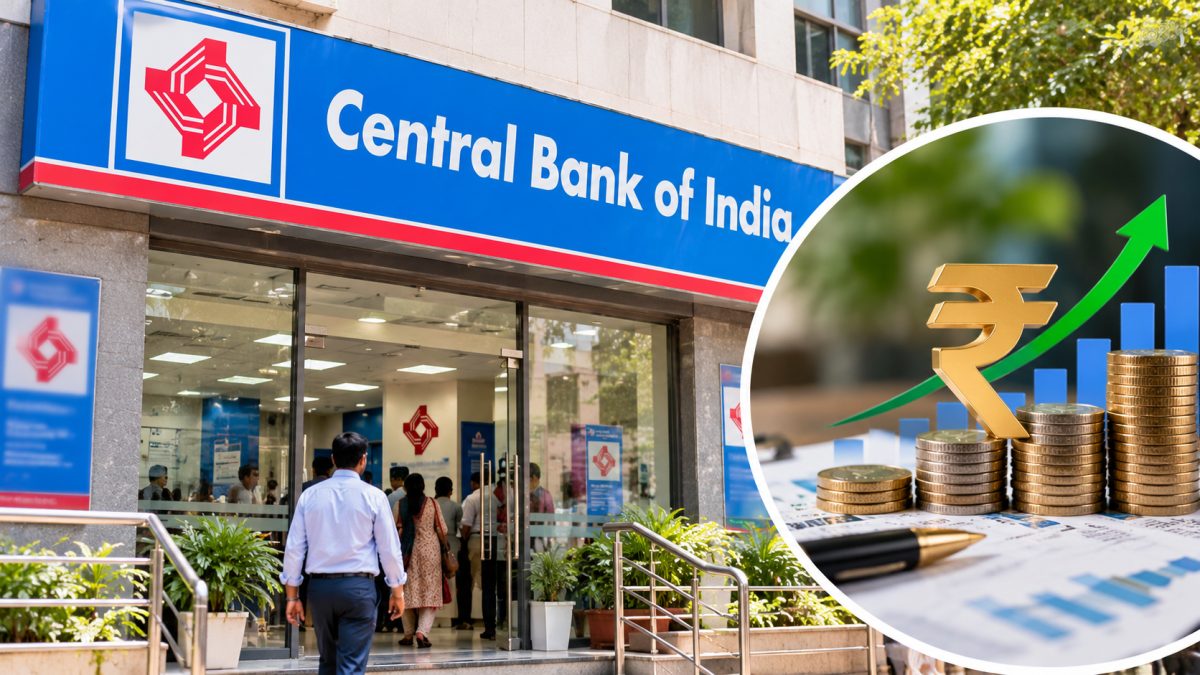

Domestic money managers quietly built bigger positions in some of India's most watched midcap names between June and September 2026.
Domestic Institutional Investors raised their stakes in eight NSE midcap stocks during the September 2026 quarter, known as Q2FY27, according to a shareholding scan by StockEdge reported on October 18, 2026. Swiggy, One97 Communications, Meesho, Cochin Shipyard, Lenskart Solutions, Piramal Finance, APL Apollo Tubes, and SBI Cards and Payment Services all saw DII ownership climb by more than 200 basis points.
Northrop Grumman Earnings Estimates Rise Amid Hidden Risks
DII buying in midcap stocks Q2FY27 shows wide sector spread
The scan used a simple filter. Any midcap stock where DII holding rose more than two percentage points between June 2026 and September 2026 made the list. Swiggy topped the group by a wide margin. Its DII holding jumped from 27.38% to 34.49%, a gain of 7.11 percentage points, the biggest increase among all names tracked.
Meesho followed with a 4.51 percentage point rise, taking its DII stake to 13.65% from 9.14%. Cochin Shipyard was close behind, climbing from 6.95% to 11.24%, a gain of 4.29 percentage points. Groww's shareholding data for Cochin Shipyard shows Life Insurance Corporation of India holding 4.56%, alongside mutual fund schemes from Nippon India and HSBC, giving a sense of which kind of institutions sit inside that DII bucket.
Jio IPO Valuation Could Push Reliance Past Tata Group In India Rankings
Full list of midcap stocks with rising DII stake in September 2026
Lenskart Solutions saw its DII ownership rise to 26.81% from 23.57%, up 3.24 percentage points. Piramal Finance moved to 21.75% from 18.63%, a gain of 3.12 percentage points. APL Apollo Tubes crossed the 20% mark, rising to 20.83% from 18.60%. SBI Cards and Payment Services also pushed past 20%, reaching 20.20% compared with 18.14% in the June quarter.
These seven companies have confirmed, matching figures across multiple reports of the same Economic Times slideshow series. One97 Communications, the parent of Paytm, was named in the list of companies with rising DII stake, but the exact percentage change for the company was not available in the retrieved disclosures. That number needs to be checked against Paytm's official exchange filing before anyone treats it as final.
Why the stock count does not quite add up yet
There is a small mismatch worth flagging. The original Economic Times article text mentions nine NSE midcap stocks meeting the 200 basis point threshold, while the headline, slideshow structure, and most republished summaries refer to only eight stocks. The eight named companies are Swiggy, One97 Communications, Meesho, Cochin Shipyard, Lenskart Solutions, Piramal Finance, APL Apollo Tubes, and SBI Cards and Payment Services.
Whoever the ninth stock might be, it does not appear in any of the available slideshow captions, RSS summaries, or syndicated versions of this story. Until a verified filing or an updated version of the article surfaces, that ninth name should be treated as missing information rather than guessed at. This kind of gap is common when multi-slide stock stories get summarized and reshared across financial news sites.
What rising DII stake actually tells investors
Domestic Institutional Investors cover a broad group, including mutual funds, insurance companies, banks, and pension-linked institutions. When their combined stake in a company rises, it often gets read as a vote of confidence from professional money managers. But a rising percentage alone does not prove active buying. It can also result from qualified institutional placements, conversion of convertible securities, or simple changes in how a company's total shares outstanding are counted after a corporate action.
That is why the jump in Swiggy's DII holding, the sharpest among all eight stocks, deserves a closer look at actual transaction data rather than just the headline percentage. The same caution applies to Meesho and Cochin Shipyard, both of which saw their DII base nearly double in percentage terms over just one quarter.
What to watch before the next quarterly filing cycle
The most useful next step is pulling the final September 2026 shareholding patterns directly from NSE and BSE filings for all eight companies, plus checking whether a ninth midcap stock qualifies under the same 200 basis point rule. Investors tracking DII buying in midcap stocks Q2FY27 should also compare these DII shifts against changes in foreign institutional, promoter, and retail shareholding for the same companies, since a rise in one category often mirrors a fall in another.
No company executive, fund manager, or regulator has issued a public statement explaining these specific ownership shifts so far. Until such commentary appears, the safest reading of this data is straightforward: institutional money inside India grew its footprint across e-commerce, digital payments, shipbuilding, eyewear retail, and financial services names during the quarter, spreading its bets rather than concentrating on one theme.