
A strange, acclaimed documentary about Elizabeth Holmes is chasing an Oscar first that no nonfiction film has ever pulled off.
A24 is campaigning Nathan Fielder and Lance Oppenheim's You Can See Everything for several Academy Award categories at once, including Best Picture, Best Documentary Feature, Best Director and acting honors, according to reporting published October 19, 2026. The film follows Theranos founder Elizabeth Holmes during the 34 days before she reported to federal prison, then keeps rolling cameras well after she's locked up.
Elizabeth Holmes' Parents Break Their Silence in Shocking New Documentary
You Can See Everything Oscars Campaign Takes Shape
The documentary opened in theaters on October 17, 2026, after building serious buzz at festivals, including a premiere in Telluride. Reviews landed fast and loud. Rotten Tomatoes had it sitting at 99 percent approval as it hit theaters, and critics from outlets like Yahoo were already calling it a film that deserves to be the first documentary nominated for Best Picture at the Oscars.
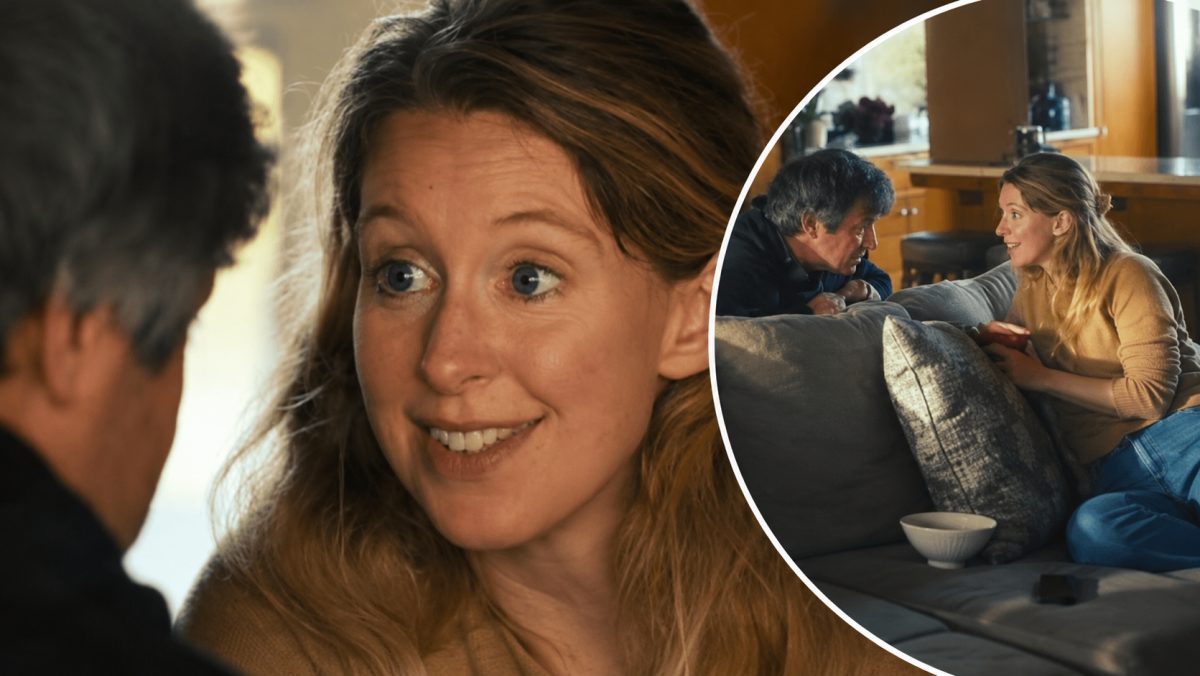
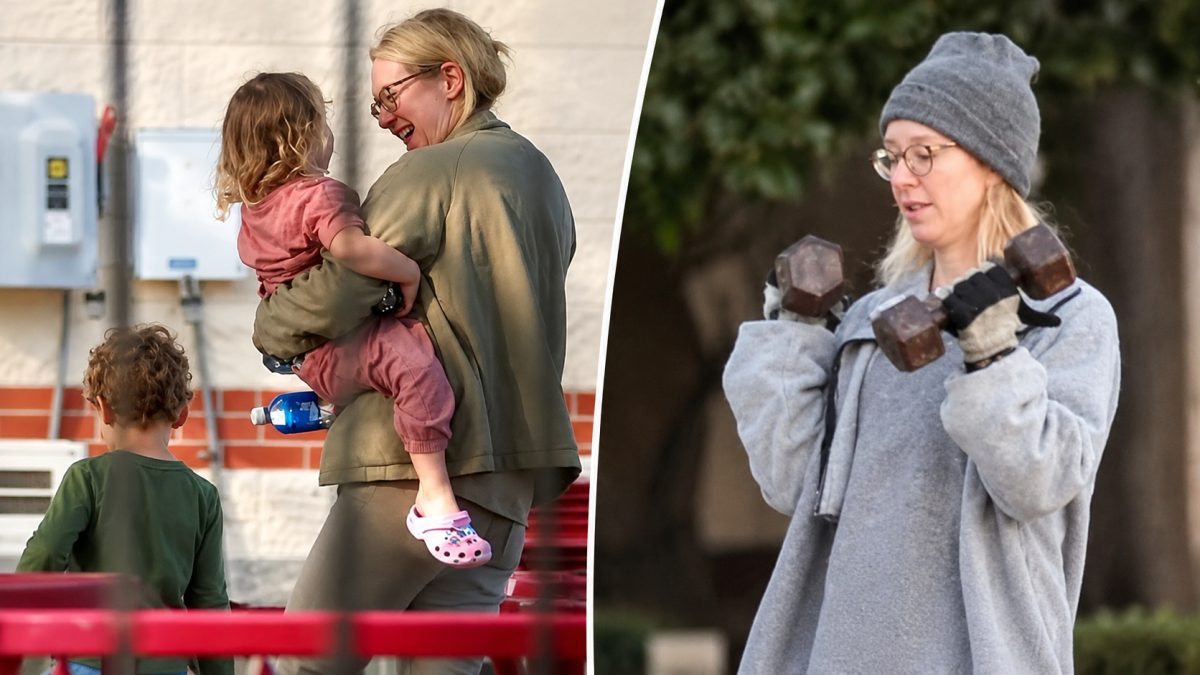
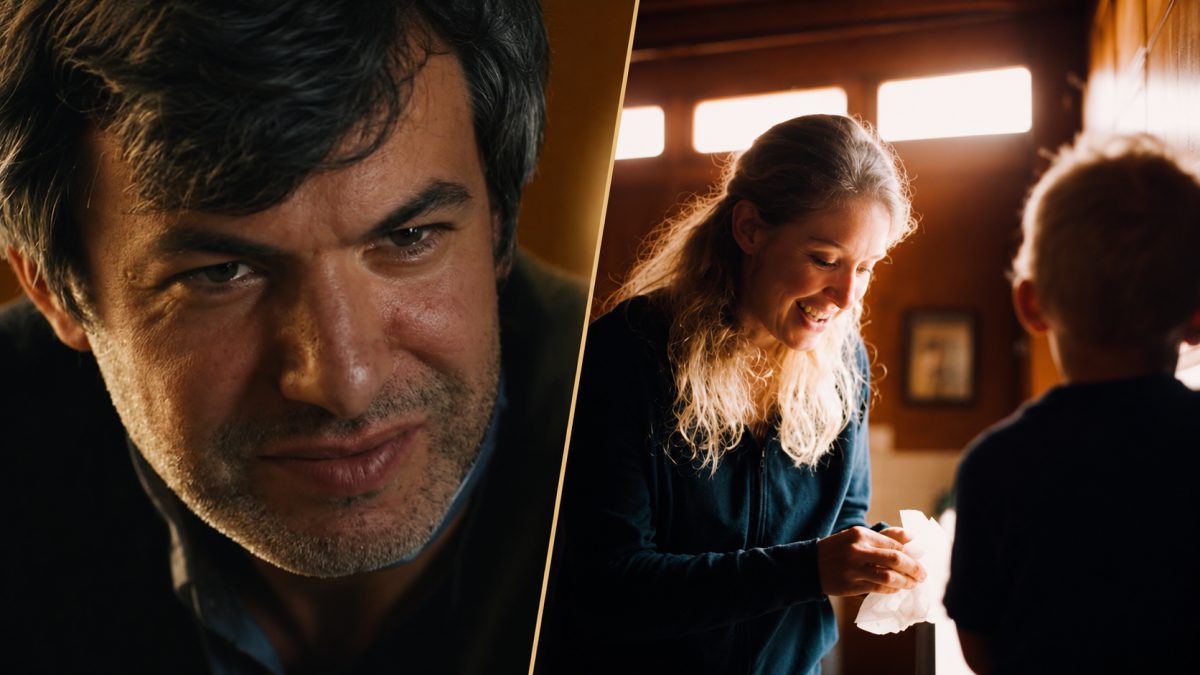
What makes the You Can See Everything Oscars push so unusual is the film itself. It's billed as a documentary, but it mixes real footage of Holmes and her partner, Billy Evans, with staged reenactments performed by actors, including Amanda Seyfried and Michael Abbott Jr. Seyfried plays Holmes in portions of the film, while the nonfiction material captures the couple's daily life in their rented San Diego home. Fielder reportedly moved into that home about two weeks before Holmes had to leave for prison.
William Shatner Best TV Shows Not Star Trek: The Roles That Built His Legacy
Why A Documentary Can Chase Best Picture
Here's the rule that's driving all the speculation. Academy guidelines reportedly let a film submitted as a documentary also compete in other categories, as long as it meets each category's specific requirements and deadlines. That means You Can See Everything doesn't have to pick just one lane. It can push for Documentary Feature and still swing for Best Picture and even a Supporting Actress nomination for Seyfried.
No documentary has ever been nominated for Best Picture in the history of the Academy Awards. That's what makes this campaign such a big deal. Scott Feinberg at The Hollywood Reporter reportedly confirmed the film's eligibility across the board following its Telluride premiere, giving the campaign real institutional footing rather than just internet chatter.
Seyfried's path is trickier outside the Oscars. The Golden Globes and the Screen Actors Guild Awards generally only consider scripted films for acting prizes, so she can't lean on those shows to build momentum the way most contenders do. Her case rests entirely on being credited in the film's legal billing for her reenactment scenes, a detail awards watchers say gives her a legitimate shot at Academy recognition even without precursor wins.
Elizabeth Holmes Story Still Fascinates Audiences
None of this works without the real story underneath it. Holmes founded Theranos and promised a blood-testing technology that could run huge numbers of tests from just a drop of blood. It didn't work the way she claimed, and the fallout was massive. Investigators, whistleblowers and reporters tore the company's claims apart, and Holmes was convicted in 2022 on four counts of defrauding investors.
She was sentenced to 135 months in federal prison, more than 11 years, and reported to begin that sentence in May 2023. That's exactly when You Can See Everything starts its story, with Fielder described in reviews as deadpan and cold next to a Holmes who comes across as earnest and warm, even as she's about to disappear into the federal prison system. Culture writers have noted Holmes remains one of America's most fascinating fraud cases, which only adds fuel to the film's awards buzz.
Critics Are Split On Documentary Branch Chances
Box office numbers for the film have been unusually strong for a documentary release, and that commercial success is feeding directly into the Oscar conversation. The film has also picked up five Critics Choice Documentary nominations, a solid signal that documentary-focused voters are paying attention.
Not everyone is convinced the Documentary Branch will embrace it, though. Some analysts argue a shortlist spot is close to guaranteed given the reviews and ticket sales. Others point out that branch voters have historically been suspicious of nonfiction films that feel too polished, too entertaining or too much like a traditional movie rather than a straight documentary. That tension could matter just as much as the film's Best Picture ambitions.
What Comes Next For The Film's Oscar Hopes
The next real test arrives when the Academy's Documentary Branch narrows the field to a 15-film shortlist, expected around mid-December. Every documentary on that shortlist then gets watched in full by branch members before a second round of preferential voting produces the final five nominees.
Until the Academy actually announces nominees, everything about Best Picture, Supporting Actress and Documentary Feature remains speculation and campaign strategy, not confirmed fact. But the Los Angeles Times has already described the film as something that's made itself impossible for Oscar voters to ignore, and with reviews this strong and a storyline this unusual, the You Can See Everything Oscars campaign is shaping up as one of the more closely watched awards races of the season.