
A political thriller about a 1974 shooting became the center of a fight over art, history and who gets to decide what audiences can watch.
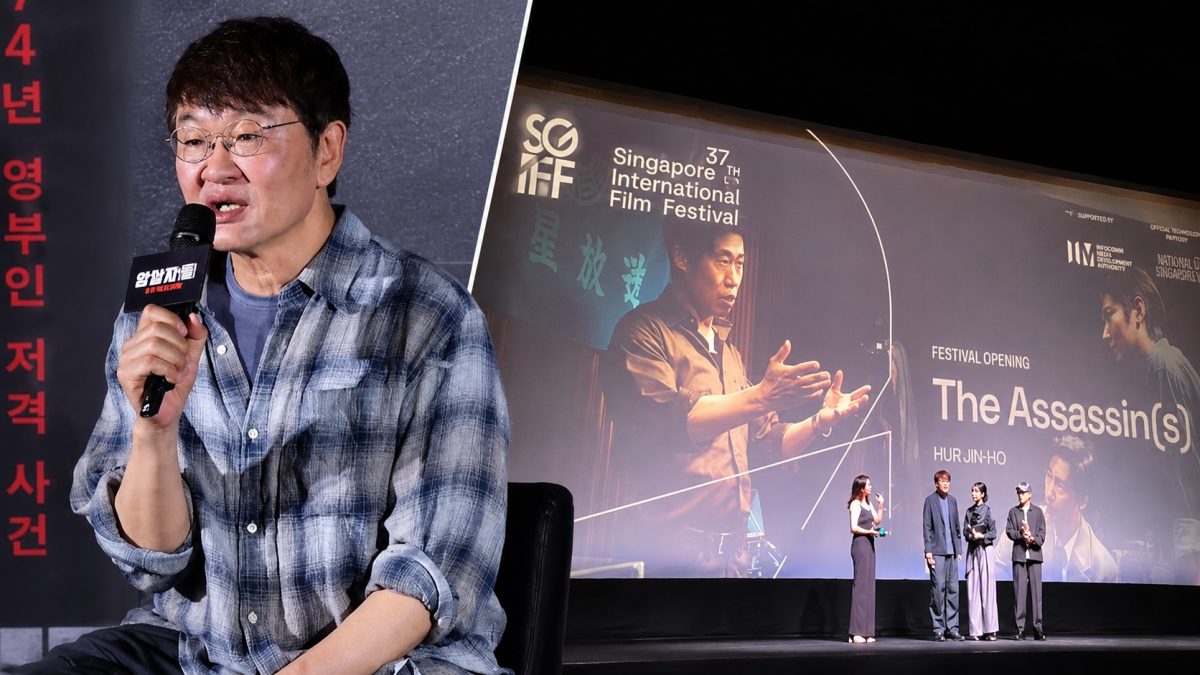
South Korean director Hur Jin-ho publicly thanked the Singapore International Film Festival on Oct. 21, 2026, for refusing to drop his film The Assassin(s) after South Korea's conservative People Power Party demanded its removal from the festival's opening night at Marina Bay Sands in Singapore.
Jenna Ortega on Klara and the Sun: Why She Wants Fans to Ditch Their Phones
Hur Jin-ho praises Singapore International Film Festival for standing firm
Hur Jin-ho stood on stage at the Sands Theatre and told the crowd he felt honored that his film had kept its spot as the opening title of the 37th Singapore International Film Festival. He said he was grateful the festival had protected artistic freedom, even though lawmakers back home had pushed hard to get the movie pulled. The screening was sold out, and Hur attended alongside cast members Shim Eun-kyung and Park Sung-hoon, according to festival details.
SGIFF chair and filmmaker Boo Junfeng backed Hur's gratitude with a firm line of his own, saying the festival refuses to show anything that has been censored. That statement turned the opening gala into more than a movie premiere. It became a public stand on who controls what gets screened at an international festival, and whether political pressure from another country should change that answer.
Clean Hands Review: Zach Braff Film Hides Dark Truth About Real Cop
Why South Korean lawmakers wanted The Assassin(s) pulled
The trouble started when all 109 lawmakers from South Korea's conservative People Power Party signed one open letter asking SGIFF to withdraw the film. The letter went out on Oct. 6, 2026, under the name of PPP floor leader Jeong Jeom-sik, addressed directly to SGIFF executive director Jeremy Chua. The party argued that the film's fictional spin on a real tragedy could make viewers think then-President Park Chung-hee had some connection to the killing of his own wife, First Lady Yuk Young-soo.
The PPP's case rested on a simple argument: creative freedom doesn't mean freedom from responsibility regarding historical facts. The party also cited a survey of 1,017 adults, claiming 58.2 percent saw the film as a distortion of history while 27.6 percent framed it mainly as a creative freedom issue. The survey did not establish whether those surveyed had actually seen the film, but the numbers became a central part of the political push against it.
The real 1974 shooting behind the film's story
The Assassin(s) draws its plot from a real and painful day in South Korean history. On Aug. 15, 1974, during a Liberation Day ceremony in Seoul, a gunman opened fire in an attack aimed at President Park Chung-hee. The president survived, but his wife, Yuk Young-soo, was killed. The event has stayed politically sensitive for decades because Park's authoritarian rule still splits opinion across South Korea.
Hur's film uses that shooting as its starting point, tracing suspicions and possible hidden motives around the case rather than sticking only to the official record. The filmmakers have described the project as an imagined story that blends real events with invented characters and situations, not a historical documentary. That distinction became the heart of the dispute, since critics argued the blending of fact and fiction crossed a line, while the filmmakers and festival organizers saw it as standard creative storytelling.
SGIFF holds its ground and South Korean filmmakers rally
SGIFF announced on Oct. 7, 2026, just a day after the PPP letter arrived, that it would move forward with the screening exactly as planned. The festival said the film was selected through its independent curatorial process, based on artistic merit and its contribution to contemporary Asian cinema. Organizers also pointed out that the filmmakers themselves had been clear about the fictional nature of parts of the story.
Before that announcement, South Korean directors had already started rallying behind Hur and his team as the political backlash grew louder in early October. Their public support added weight to the idea that this was not just one festival's decision, but a broader moment for South Korea's film industry watching how far political pressure could reach into artistic choices made outside its own borders. Reports also noted plans for demonstrations tied to the controversy, showing how far the disagreement had spread beyond official statements.
What the standoff means going forward
The 37th Singapore International Film Festival continues through Nov. 1, 2026, with The Assassin(s) having already opened the event as scheduled. No court case, government order or formal censorship review has been reported in connection with the film, either in Singapore or South Korea. What remains confirmed is simpler: SGIFF made its choice, defended it publicly, and let the opening night proceed without changes.
Back in South Korea, the argument over the film is unlikely to fade quickly. Debates over how filmmakers can portray a politically loaded piece of history, and how much power lawmakers should have over artistic programming abroad, will likely keep surfacing. For now, though, the film opened, Hur said his thanks, and the festival's independence held.