
Long before streaming, these four shows turned nervous Cold War fears into unforgettable television magic.
Fans searching for the best sci-fi shows of the 1960s often land on one name first, but Star Trek shared its decade with several other groundbreaking series. The Twilight Zone, The Outer Limits, Lost in Space, and The Time Tunnel all aired between 1959 and 1968, shaping how television told stories about space, time, and fear of the unknown.
Clean Hands Review: Zach Braff Film Hides Dark Truth About Real Cop
Why These Best Sci-Fi Shows of the 1960s Still Matter
The Twilight Zone premiered on CBS in 1959 and ran through 1964, meaning almost its entire run happened during the decade. Rod Serling created it, hosted it, and wrote many of its episodes himself. Each week brought a brand new story, often ending with a twist that made viewers rethink what they just watched. TVLine has called it one of the best TV shows of the 1960s outright, noting that even though it technically started in 1959, its heart belongs to the sixties.
The Outer Limits followed close behind, debuting on ABC in 1963 and running until 1965. Unlike The Twilight Zone, which wandered into fantasy and quiet moral lessons, The Outer Limits stuck closer to hard science fiction and horror. Its opening lines became instantly famous: "There is nothing wrong with your television set. Do not attempt to adjust the picture. We are controlling transmission." That eerie direct address to viewers made the show stand apart from anything else on the air at the time.
The Exorcist: Martyrs Trailer Drops Friday ,Johansson Horror Shock
Family Adventure Joins the Space Race on Screen
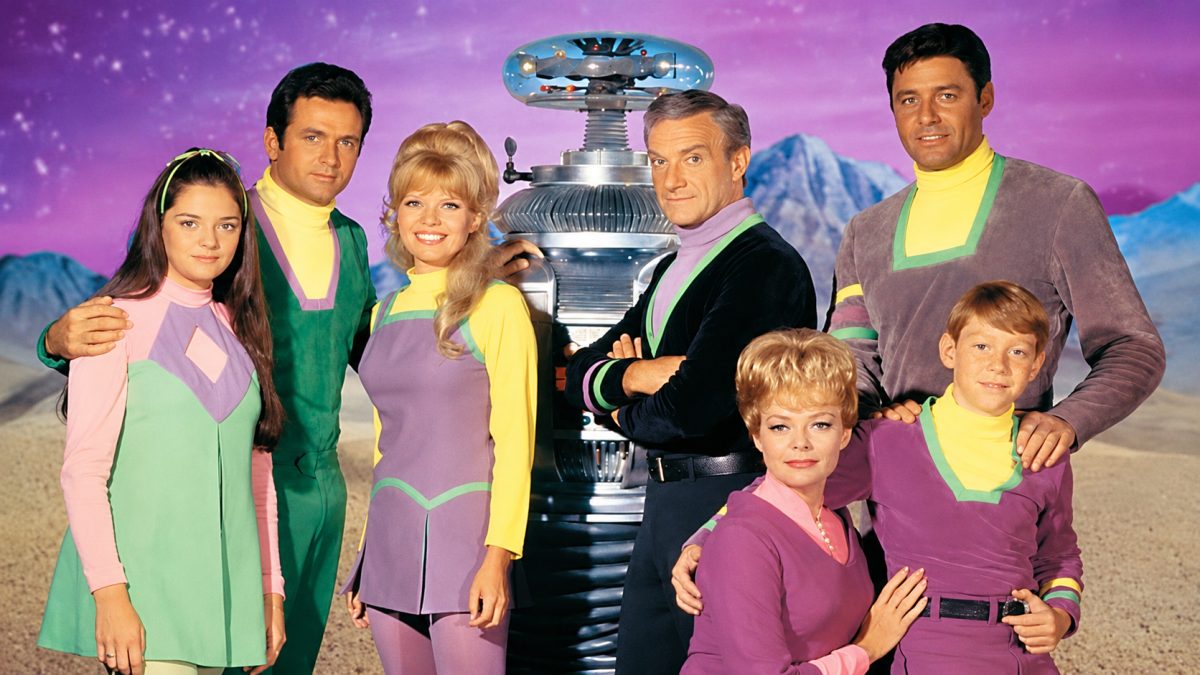
While anthology shows ruled one corner of sci-fi television, Irwin Allen built something different with Lost in Space. Airing from 1965 to 1968, it followed the Robinson family after their mission to resettle away from an overcrowded Earth went badly wrong, leaving them drifting through space instead. The show leaned into adventure and family drama, and as the seasons went on, it grew more playful and over the top, something longtime fans still argue about today.
Allen didn't stop there. His other 1960s creation, The Time Tunnel, ran on ABC from 1966 to 1967. James Darren and Robert Colbert played two scientists working on Project Tic-Toc, a secret government time-travel program. Instead of exploring distant planets, the show sent its heroes bouncing through history and into dangerous future events, giving audiences a totally different flavor of science fiction each week.
The Cold War Fears Behind the Golden Age of Sci-Fi TV
None of these shows popped up by accident. Television science fiction already existed before the 1960s through early programs like Captain Video and His Video Rangers and Tom Corbett, Space Cadet, but the genre was expensive to produce well. Anthology formats like The Twilight Zone and The Outer Limits solved that problem by reusing production setups while swapping out characters and settings every episode.
The decade's real-world anxieties fed directly into these scripts. The Television Academy notes that The Twilight Zone and The Outer Limits frequently commented on what it calls the three pillars of New Frontier ideology: space, suburbia, and the superpowers. Nuclear fear, the space race, and growing unease about technology all showed up disguised as alien invasions, broken machines, and strange new worlds. Viewers weren't just watching monsters on screen. They were watching their own fears played out in fictional form.
How Critics Rank These Classic Shows Today
Modern outlets still argue over how these shows stack up against each other. Space.com described The Outer Limits as "the Queen Mother" of 1960s anthology TV, right behind The Twilight Zone as the format's "Granddaddy," pointing to its focus on hard science fiction, time travel, aliens, and cosmic horror. Collider's ranking based on IMDb scores gave The Outer Limits an 8.2 rating, noting it had one advantage over its more famous rival: for its entire run, it stayed locked into science fiction rather than drifting into general fantasy.
Entertainment Weekly included both Lost in Space and The Outer Limits in its ranking of the 30 best sci-fi shows of all time, proof that these programs never faded into obscurity. TVLine itself has repeatedly revisited this era, including The Outer Limits in its list of sci-fi shows without a single bad season and in its ranking of the best sci-fi anthology shows ever made. That kind of repeated recognition, decades after these shows went off the air, says a lot about how well they hold up.
What Comes Next for Fans Revisiting the Decade
Interest in these early sci-fi classics hasn't slowed down. Streaming platforms keep bringing them back for new viewers, and outlets continue publishing fresh rankings comparing them against modern favorites. Anyone building their own list of the best sci-fi shows of the 1960s has plenty of strong options beyond the obvious choice, whether they want sharp anthology storytelling, family-friendly space adventure, or time-bending government experiments gone sideways.
What ties these shows together is simple. Each one took the fears of its era, space, machines, war, the unknown, and turned them into stories people still want to watch today. That's a rare kind of staying power, and it's exactly why these titles keep showing up on best-of lists more than fifty years later.