
People are tired of ads popping up before they even reach Netflix, so they are asking AI to fix it for them.
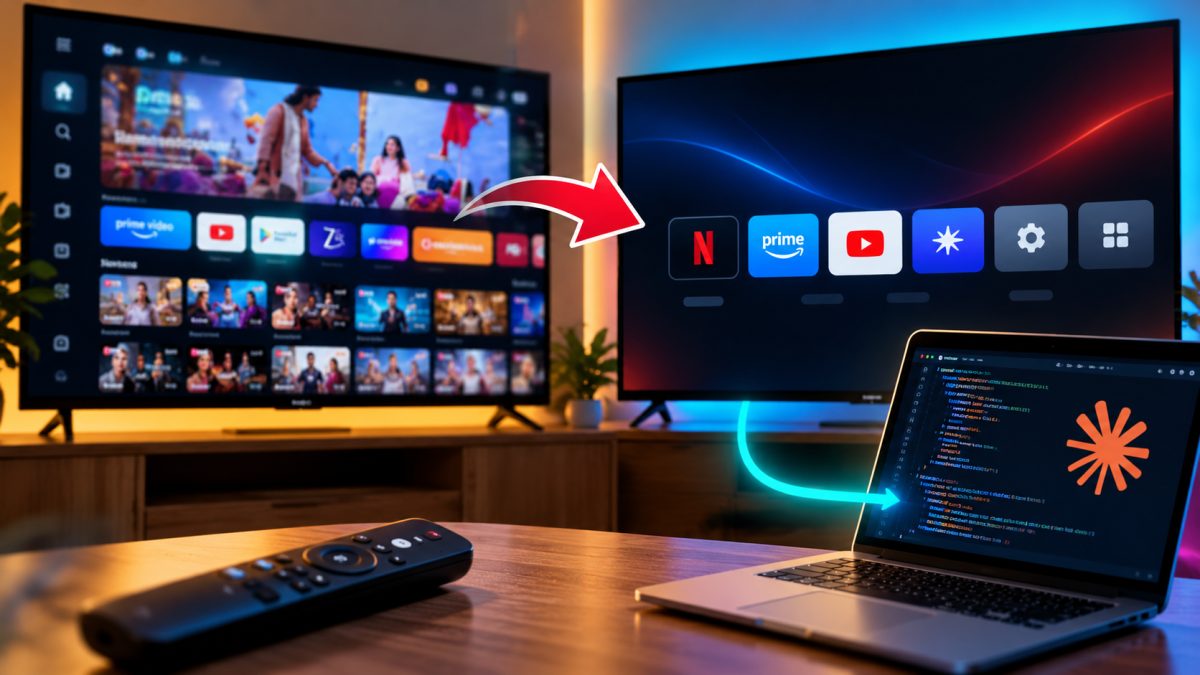
Smart TV owners are now using AI coding assistants, especially Anthropic's Claude Code, to strip ads, tracking tools and preinstalled apps off their televisions. Mashable and TechCrunch both reported on this trend on October 19, 2026, describing a wave of developers sharing projects that turn cluttered smart TVs back into simple, fast displays.
US Stocks Today: Nasdaq AI Stocks Rebound After Brutal Selloff Week
AI smart TV debloating turns into a real movement
The idea behind AI smart TV debloating is pretty simple. Instead of digging through confusing settings menus or writing code by hand, people are telling an AI agent what they want gone, and letting it do the technical work. Claude Code can connect to a television, look at what software is running, and figure out what is safe to remove.
One of the clearest examples came from a Xiaomi TV owner who posted about it on X on October 17, 2026. According to Mashable, the person said Claude Code connected to the TV over Wi-Fi, found 25 unnecessary software packages, removed them, and then built a brand new home screen from scratch. No sponsored tiles. No recommendation rows. Just the apps the owner actually wanted.
AI-Driven Impersonation Banking Threats Push Banks to Fight Back With New Tools
How Claude Code removes ads from smart TV home screens
TechCrunch described this same pattern playing out across social media, with developers sharing what they call “vibe-coded” fixes for their televisions. The goal, as one project described it, is straightforward: “No ads from the TV itself, no watch tracking, no update you did not ask for.”
Two open-source projects are leading the charge. Cleanyourtv works on Android TV and Google TV devices over a Wi-Fi connection, and it does not require root access, which makes it far less intimidating for everyday users. Dumbtv aims a bit wider, targeting Fire TV Edition along with Android and Google TV platforms. Reported compatibility includes televisions from Sony, TCL, Philips, Hisense and Xiaomi, plus Nvidia Shield streaming boxes.
A developer known online as Cretezy reportedly built a setup that goes even further, replacing the launch screen, rethinking how the TV handles media, and even changing what the remote buttons do. Another user, Ansub Khan, shared a video showing Claude Code sorting through the TV's software. “It sorts them into what's safe to turn off, what the TV needs, and what I actually use,” Khan said, describing how the AI disabled background services, stopped the TV from auto-launching Live TV, and built a cleaner, ad-free home screen.
Why people want their TVs to act dumb again
Smart TVs did not start out this way. They began as simple screens, then slowly turned into advertising platforms with their own software running the show. Manufacturers use the home screen to push streaming services, recommend shows, and quietly gather data on what people watch, often through a technology called automatic content recognition, or ACR.
ACR can actually analyze what shows up on screen, including stuff coming from a connected game console or cable box, and feed that information back for advertising or measurement purposes. That is the part that bothers a lot of people the most. It is not just the ads. It is the idea that the TV is quietly watching what you watch.
A user referenced in reporting, identified as Ryan Doyle, reportedly summed up his approach pretty bluntly. He asked Claude Code, “can you hack this?” and the AI walked him through removing ads, bloatware and spyware while cleaning up the interface. That kind of casual, conversational request is exactly what makes this trend different from older, more technical modding communities.
The risks nobody should ignore
None of this comes without danger. Removing the wrong software package can break a TV's launcher, mess up the remote, or disable features the owner actually needed. In the worst cases, people may need a full factory reset just to get their television working normally again.
There is also no guarantee these fixes stick around. A manufacturer firmware update could quietly undo everything, or close off the access these tools rely on in the first place. And since these are community projects rather than official products, there is no customer support line to call if something goes wrong. Skipping root access lowers the risk somewhat, but it does not make the process completely safe.
So far, no television manufacturer has issued a public response to this trend, and none have confirmed whether these modifications affect warranties. That silence matters. It shows this is still very much an unofficial, grassroots workaround rather than something companies are willing to support.
What happens next for ad-free smart TVs
For now, this remains a developer-driven experiment rather than a mainstream fix. Projects like Dumbtv and Cleanyourtv are likely to keep growing, adding support for more TV brands and making the process safer with backup and restore options.
The bigger question is whether manufacturers respond at all. Firmware updates could shut down the methods these tools use, or companies could go the other direction and start offering a real “simple mode” that strips out ads and tracking without needing an AI workaround. Either way, the frustration driving this trend is not going away anytime soon. People bought these televisions. A lot of them just want control over what runs on the screen they paid for.