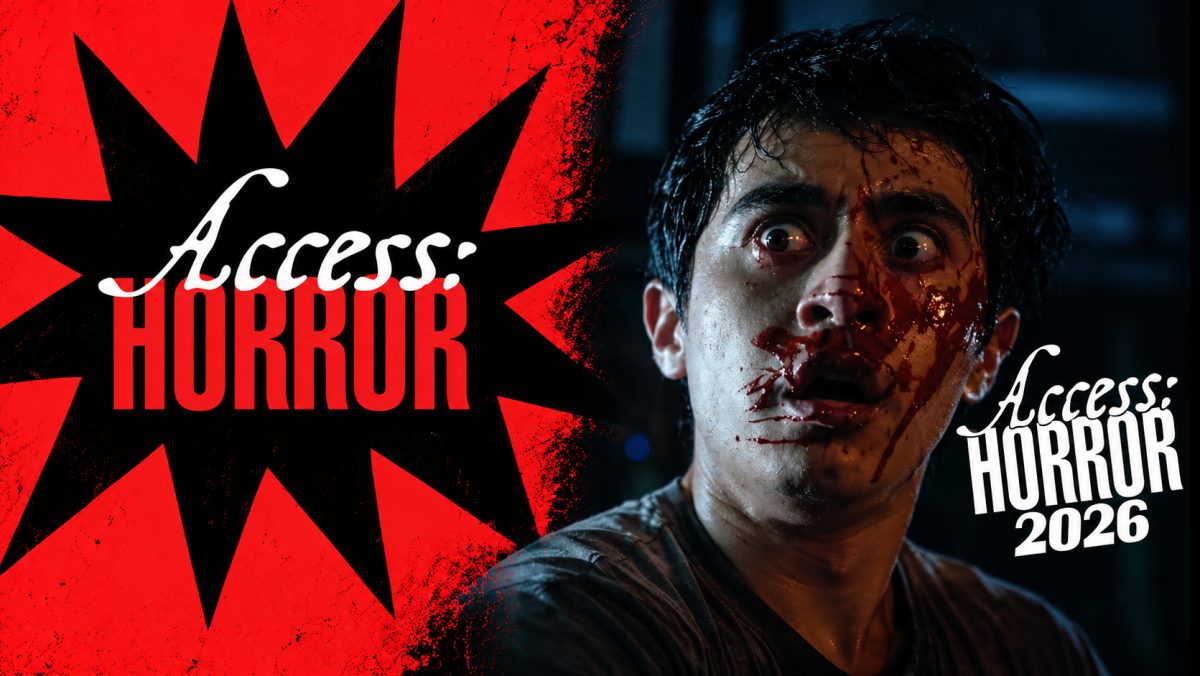
A horror festival built by and for disabled filmmakers just finished a month of streaming, and its founder says real life is scarier than anything on screen.
Access:Horror Film Festival, a disability-centered horror showcase founded by filmmaker Ariel Baska, opened with an in-person night at Alamo Drafthouse Winchester in Virginia on September 25, 2026, then streamed 19 films worldwide from October 4 through November 1, with open captions on every title and audio description on nine of them.
Warner Bros. Film Chiefs De Luca and Abdy Reportedly Pushed Out Ahead of Paramount Merger Close
How the 2026 Access:Horror Film Festival Unfolded
The fourth edition of Access:Horror started small and local before going global. The opening night in Winchester brought filmmakers and audiences together in person, giving the festival a physical home base before the program expanded online for anyone to watch anywhere in the world. That one-two structure, a live kickoff followed by a full month of streaming, has become the festival's signature move.
Once the virtual program began on October 4, viewers got access to 19 international films organized into three themed blocks called Edibles, Your Body Keeps the Score, and Dead Darlings. Alongside the films, the festival ran filmmaker question-and-answer sessions, panel discussions, and industry talks, turning the event into something closer to a working conference than a simple movie marathon. The lineup included titles like The Hog Queen and Mango, drawing attention from genre outlets for pairing fresh voices with serious accessibility commitments.
Jenna Ortega on Klara and the Sun: Why She Wants Fans to Ditch Their Phones
Why Ariel Baska Built an Accessible Horror Festival
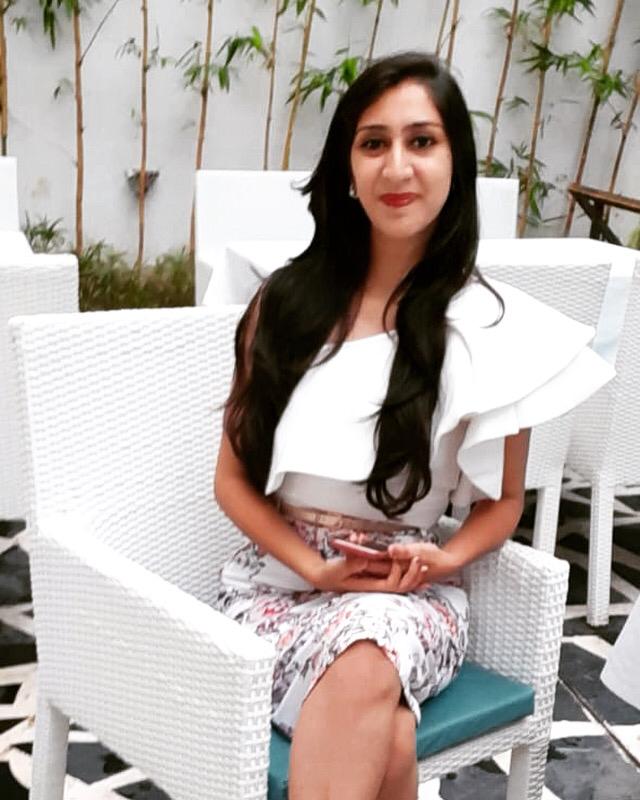
Baska, who is multiply disabled, queer, and works as a filmmaker, podcaster, and activist, created Access:Horror after running into a wall familiar to many disabled artists. She spent years trying to launch an event focused on disability and horror but could not find a venue that was both physically accessible and affordable. That mismatch between money and access pushed her toward an online-first model instead.
The festival actually began in 2023 as a virtual event, built through partnerships with Superfest Disability Film Festival, Final Girls Berlin, and Fantastic Fest. Each partner curated its own block of short films, while Baska organized a dozen panels covering disability, accessibility, and genre filmmaking. An early two-day version of the event, held July 8 and 9 of that year, included captions and American Sign Language interpretation for panels and Q&As, plus financial help for anyone who couldn't cover the $20 ticket price.
Baska's Statement Links Horror Films to Real-World Disability Rights
Baska's remarks tied to the 2026 program go beyond festival promotion and into pointed political commentary. She said slurs are becoming more common in everyday language, including in Oscar-winning Hollywood films, and argued that government action is causing direct harm to disabled people right now. Her exact words were that the government is unleashing daily violence on the disability community through Medicaid cuts, institutionalization, and rollbacks to disability rights protections.
She summed up the festival's reason for existing with a blunt line: for disabled people, this is already a horror movie, which is why horror feels like the most honest genre out there this year. Baska also described the lineup as validating, crucial, and cathartic terrors that show the strength of the disability community, and she credited the access features with making the program even stronger, saying open captions and audio description expand its reach and deepen its impact.
Built-In Access Instead of an Afterthought
What sets Access:Horror apart from typical festival accessibility efforts is timing. Captions, audio description, and ASL interpretation weren't added after the films were picked. They were part of the plan from the start, built into every block of the 2026 program. All 19 streaming selections carried open captions, and nine included full audio description, numbers that outlets covering the festival repeatedly highlighted as proof of its accessibility-first approach.
That approach extends to the festival's politics too. Rather than using disabled characters as symbols of fear, the way horror has often done for decades, Access:Horror flips the lens. The films tackle medical racism, neurodivergence, depression, and queer persecution, treating ableism itself, not disabled bodies, as the real source of dread. Disabled filmmakers control the storytelling, which changes who gets to decide what's frightening and why.
A Hybrid Model With More Growth Likely Ahead
The festival's history shows a steady climb in scale. It launched purely online in 2023, grew into a hybrid in-person and virtual event at New York City's DCTV Firehouse Cinema in August 2025 complete with an awards ceremony and podcast recording, and expanded again in 2026 with a dedicated opening night in Winchester followed by a full month of global streaming. Coverage has also noted outside recognition, including mentions from Forbes calling it among the most accessible film festivals in the country.
No details have been confirmed yet about a 2027 edition, future venues, or attendance numbers from this year's run. But the pattern over four years points toward the same hybrid formula continuing: a small, accessible in-person gathering paired with a much larger virtual audience that can tune in from anywhere, captions and audio description included by default rather than requested as a favor.