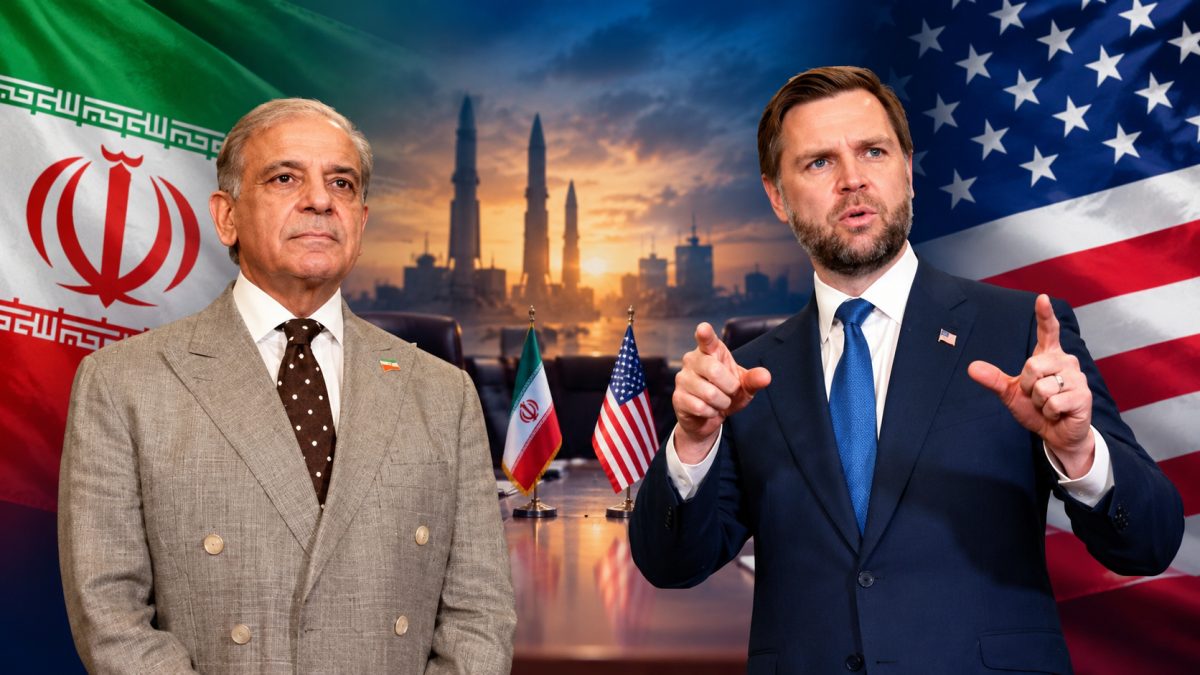

Tehran says the door to peace is still open, even after Washington turned down its first offer last month.
Iranian Foreign Minister Abbas Araghchi said Wednesday, October 21, 2026, that indirect Iran U.S. ceasefire talks are still happening, weeks after President Donald Trump rejected Tehran's seven-day ceasefire proposal. Pakistan and Qatar are passing messages between the two sides, and Washington is now asking for new clauses to be added.
Iran Attacks Sink Two Ships Near Strait of Hormuz in Just 24 Hours
Iran U.S. Ceasefire Talks Move Through Back Channels
View this post on Instagram
Araghchi told reporters that Tehran and Washington have not stopped talking, even though they are not speaking directly. The two countries are using Pakistan and Qatar as go-betweens, a setup Araghchi said has been in place for months. He said the core plan Iran presented in September is still the starting point for discussion, even though Trump rejected it at the time.
The Iranian plan calls for a seven-day pause built around specific trades. The United States would end its naval blockade of Iranian ports, lift sanctions that block Iranian oil sales, and release frozen Iranian money. In exchange, Iran would reopen the Strait of Hormuz, a narrow but critical waterway that carries much of the world's oil traffic out of the Persian Gulf. Araghchi said the sequence matters: U.S. action comes first, then the strait reopens, then wider talks begin.
Trump Vows Iran Will Be Hit 'Very Hard' Over Flydubai Cockpit Attack, But Evidence Remains Elusive
Araghchi's Words Put the Blame on Washington
Speaking about the state of diplomacy, Araghchi said, "The negotiating table remains in place." He followed that by saying, "It is the American side that is closing the path, not Iran." Those comments frame Iran as the party willing to keep negotiating, while suggesting Washington is the one adding friction to the process.
Earlier this month, on October 16, Araghchi laid out the clock built into Iran's offer. "If they comply with our conditions, the Strait of Hormuz will reopen on the sixth day, and negotiations will begin on the seventh day," he said. He added, "Our conditions are fair, and if the United States is willing to reopen the Strait of Hormuz, it can meet them within a few days." Those remarks show Iran presenting its demands as reasonable and quick to satisfy, not as a long-term sticking point.
What Washington Wants Remains Unclear
The exact clauses the United States wants added to the seven-day ceasefire proposal have not been made public. CBS News reported that Washington is seeking changes to the framework rather than walking away from talks entirely, which suggests the administration sees some value in keeping the channel open even after rejecting the original version in September. But without details on what the new clauses cover, it's hard to know if the gap between the two sides is small or wide.
This uncertainty sits inside a bigger and more dangerous picture. Separate reporting has described the United States quietly reducing troop numbers at bases across the Middle East, along with the State Department cutting staff at some diplomatic posts in the region. Those moves were linked to threats from Iran, according to reporting cited alongside the ceasefire coverage. That combination, active diplomacy on one hand and military caution on the other, shows how fragile the current moment is.
The Strait of Hormuz Sits at the Center of Everything
The Strait of Hormuz is not just a detail in this story. It's the main reason the talks matter to people far beyond Iran and the United States. The strait connects the Persian Gulf to the Gulf of Oman, and a huge share of the world's oil shipments pass through it every day. When Iran ties the reopening of the strait to U.S. concessions, it's using one of its strongest bargaining chips, since any disruption there can push global oil prices higher.
Iran's demand for sanctions relief and the release of frozen assets reflects the economic squeeze it's under. The naval blockade described in the reporting adds a direct military block on top of the economic one, limiting how much oil Iran can move and sell. Tehran's proposal essentially asks Washington to loosen all three pressures, the blockade, the sanctions, and the frozen funds, before Iran agrees to reopen the waterway and sit down for broader negotiations.
No Clear Deadline, But Pressure Keeps Building
There's no confirmed date for when these indirect Iran U.S. ceasefire talks might produce a signed agreement. No public text of the revised American proposal has surfaced, and neither side has announced a summit or a formal signing. What is clear is the proposed timeline Iran has floated: the strait reopens on day six, and wider negotiations start on day seven, but only once Washington agrees to Tehran's conditions.
Until that happens, the situation stays in limbo. Mediators in Pakistan and Qatar keep carrying messages back and forth, U.S. forces in the region are reportedly being trimmed down as a precaution, and both governments continue to describe the other as the obstacle to peace. Whether the newly sought American clauses bring the two sides closer or push the talks back into stalemate is likely to become clearer in the coming weeks, as pressure from oil markets, regional security risks, and domestic politics in both countries continues to build.