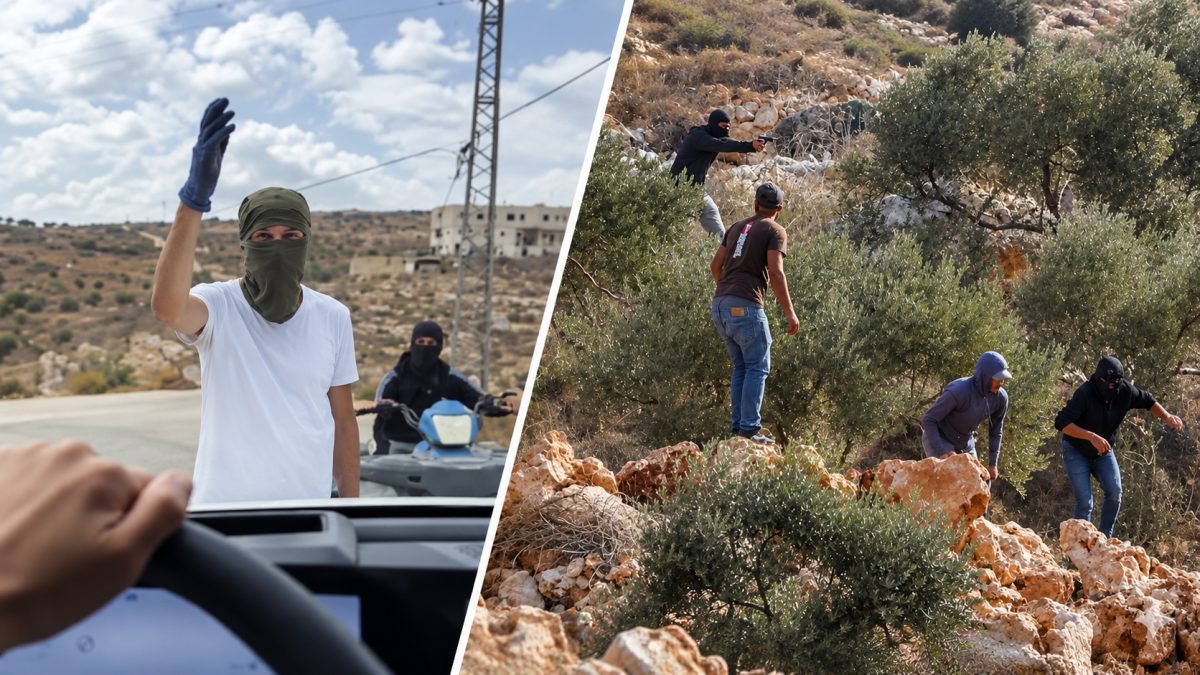

A quiet olive harvest turned violent when masked men surrounded diplomatic cars and started smashing windows.
European diplomats attacked by Israeli settlers in the West Bank became a global headline on Saturday, Oct. 17, 2026, after masked men assaulted a delegation near Taybeh, a Christian Palestinian village close to Ramallah. The group had come to stand with Palestinian farmers during the annual olive harvest when the confrontation broke out.
Life in Kyiv During Russian Attacks: How a City Keeps Going at 3 A.M.
How the attack on the diplomatic convoy unfolded
View this post on Instagram
The delegation included Belgium's consul general, French and Polish diplomats, Catholic Church representatives, and a French mayor. They had traveled to Taybeh to walk alongside Palestinian farmers picking olives, a yearly tradition that has grown tense in recent years because of repeated run-ins with nearby settlers. According to witnesses, masked men showed up in off-road vehicles, surrounded one of the diplomatic cars, demanded identification papers, and then started throwing stones.
A window on a Belgian consular vehicle was smashed during the confrontation. Belgian Foreign Minister Maxime Prévot said settlers had specifically targeted the consul general along with the French and Polish diplomats and the Catholic representatives traveling with them. Polish Foreign Ministry spokesman Maciej Wewior later confirmed that a convoy carrying Polish officials had come under attack, though he said the Polish diplomats themselves were not hurt.
Video circulating afterward appeared to show masked settlers closing in on the vehicles, though not every detail of the footage has been independently confirmed. No arrests or criminal charges had been announced by the time the story broke, leaving open questions about who exactly carried out the attack and whether anyone will face consequences.
Iran Attacks Sink Two Ships Near Strait of Hormuz in Just 24 Hours
A second day of violence during the olive harvest
This was not an isolated event. One day earlier, on Friday, Oct. 16, masked settlers attacked Palestinian olive harvesters and Heidi Levine, a 63-year-old photographer working for The Washington Post. Levine was wearing a protective vest clearly marked "PRESS," but she was knocked to the ground and kicked repeatedly. Her camera and phone were taken during the assault.
Levine was first treated in Ramallah before being moved to Israel, where she underwent surgery at Beilinson Hospital. Her family said she suffered a broken rib along with cuts to her legs, buttocks and hip, plus a serious injury to her left hand. Other reports described even more severe harm, including four broken vertebrae and a finger cut down to the bone with visible tendon damage.
Taken together, the attack on Levine and the assault on the diplomatic convoy the next day turned what might have been treated as scattered local incidents into a two-day sequence that drew international attention. The back-to-back timing made it harder to dismiss either event as an isolated outburst.
Official statements and the military's response
Israel's military described the attack on the diplomats as a "severe act of violence." At the same time, it stressed that the diplomatic visit had not been coordinated with the army in advance and that no soldiers were present at the scene when the attack happened. That distinction matters because it shifts attention toward questions about security planning and whether advance coordination might have prevented the confrontation.
Belgium's foreign minister condemned the attack publicly, naming the specific groups targeted. Poland's government confirmed the convoy attack while clarifying that its own diplomats escaped injury. France was represented both through diplomatic staff and the French mayor who joined the delegation, though French officials' public comments were not detailed in available reporting.
The gap between how Israeli authorities and European governments characterized the incident is notable. The military's statement focused heavily on procedure and coordination, while European officials emphasized the fact that their personnel were deliberately targeted. That gap could shape how any investigation proceeds.
Why Taybeh and the olive harvest matter so much
Taybeh is one of the most recognized Christian communities left in the West Bank, and the presence of Catholic representatives in the delegation added religious weight to the story beyond the immediate security concern. International observers and rights groups have long documented complaints from Palestinian farmers about settlers blocking access to land, destroying crops, or confronting harvesters during this specific time of year.
The olive harvest carries deep economic and cultural meaning for Palestinian families, many of whom depend on it for income and tradition. When diplomats join farmers in the fields, it is meant as a visible signal of international concern and a form of protection through presence. This year, that strategy appears to have backfired in the short term, with the diplomats themselves becoming targets rather than deterrents.
What happens next remains unclear. No hearing date, arrest, or formal investigation timeline has been announced. Questions still remain about whether Levine's stolen equipment will be recovered, how many Palestinians were hurt across the two days of violence, and whether European governments will push for a formal inquiry into how armed settlers were able to reach a diplomatic convoy without any military presence nearby.