
Two cargo ships went down near one of the world's busiest shipping lanes, and nobody agrees on exactly why.
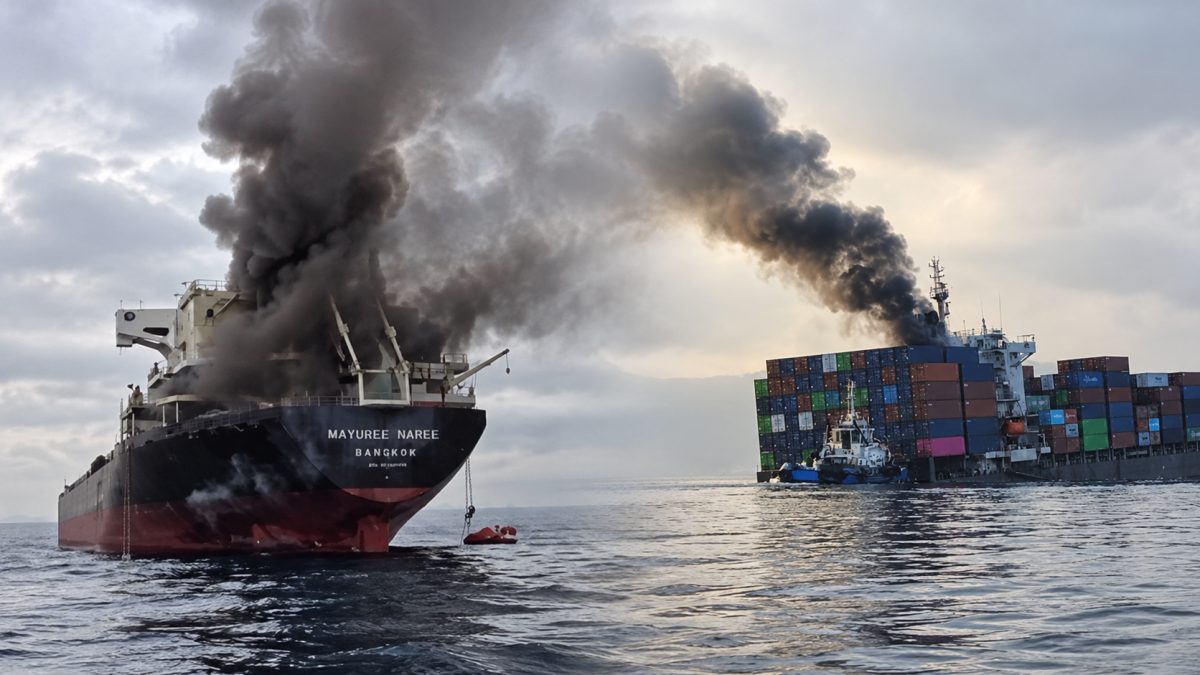
Iranian attacks sank two commercial vessels near the Strait of Hormuz within about 24 hours on October 14, 2026, as strikes on merchant shipping surged during the ongoing U.S.-Iran war. The Singapore-flagged container ship GFS Pride and the Antigua and Barbuda-flagged bulk carrier Cape Dao both went under the water in separate incidents, according to maritime officials and Singapore's Maritime and Port Authority.
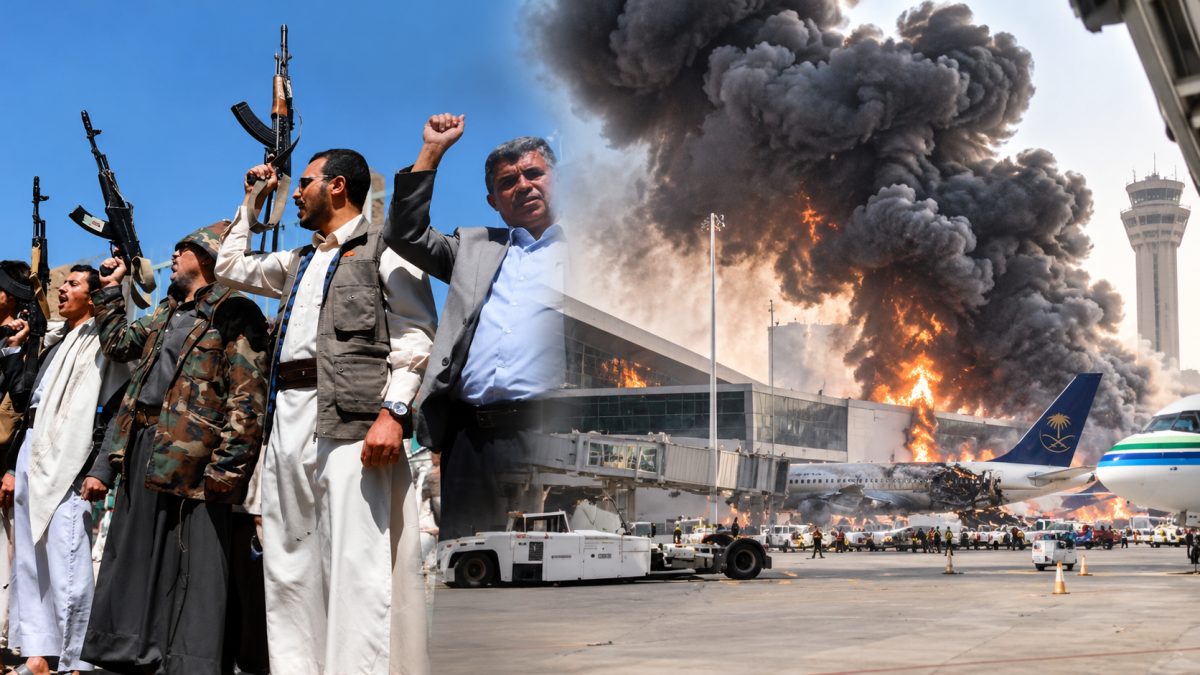
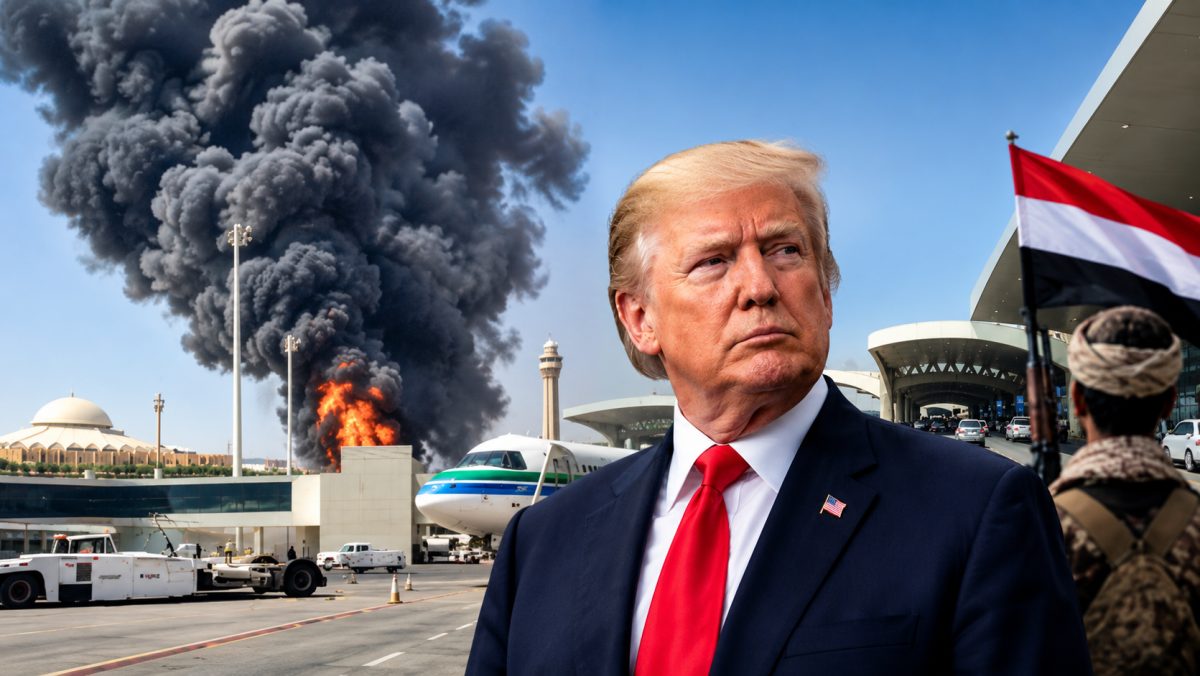
Riyadh Airport Attack Kills 12, Will Trump Send US Troops Against Houthis Next?
Iran attacks leave two ships sinking within a day
View this post on Instagram
The GFS Pride was hit while passing through the Strait of Hormuz on Tuesday, October 13. Singapore's Maritime and Port Authority said the ship caught fire after taking damage, then sank south of the strait the next morning. It was a fairly small container ship, built to carry around 2,824 twenty-foot-equivalent units, but its loss still sent a loud warning through the shipping world.
Every crew member on the GFS Pride got off safely, and Singapore's authority reported no injuries. That's the good news buried inside a bad story. The Cape Dao wasn't as lucky. It had been struck by a projectile back on September 23, and one crew member reportedly died in that earlier attack. Weeks later, after a rescue attempt failed, the Cape Dao finally sank too. The Washington Post noted these were two separate events, not one coordinated strike, which makes the timing of both ships going down in the same news cycle even more striking.
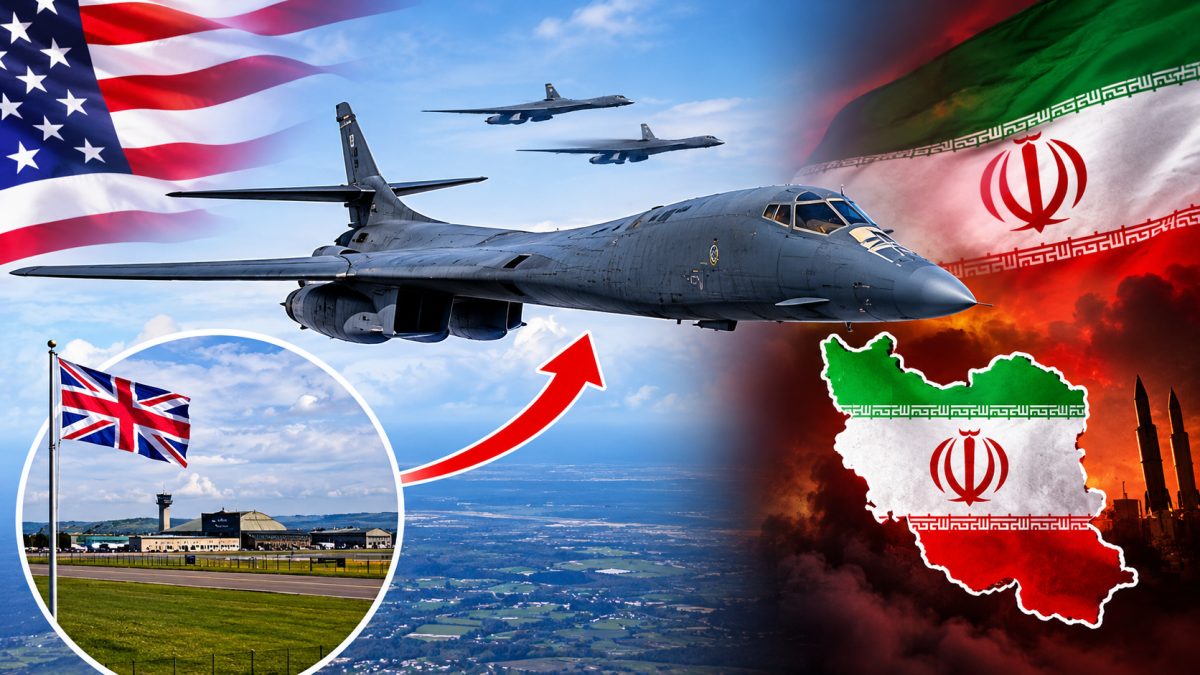
Trump Threatens to 'Annihilate' Iran at UN, Then Reveals Secret Three-Hour Talks Hours Later
Competing accounts over what actually sank the GFS Pride
Here's where things get murky. Iran's Islamic Revolutionary Guard Corps Navy said the cargo ship sank after hitting a naval mine while trying to sneak through what it called an "unauthorized and hazardous route." Iranian state media added that the vessel was carrying more than 2,500 containers and sank because the resulting fire was too intense to control.
Maritime security sources tell a different story. They attributed the sinking to a projectile strike, not a mine, though there's no independent confirmation backing up Iran's mine claim either. That gap matters a lot. Whether a ship got hit by a missile or ran into a mine changes how governments, insurers, and courts might eventually respond. Right now, nobody outside Iran's military has confirmed Tehran's version of events.
A sharp rise in strikes across the Persian Gulf
These two sinkings didn't happen in isolation. The United Kingdom Maritime Trade Operations organization reported that four vessels were struck on October 13 alone, three of them container ships. Two other container ships were hit by unknown projectiles that same day but only suffered minor damage and kept sailing, with no injuries reported.
Zoom out further and the picture gets worse. More than 20 vessels, mostly oil tankers, reportedly came under attack during October across the wider Hormuz region. UKMTO separately logged 12 vessel attacks between October 5 and October 11, including six strikes on October 11 alone. Then on October 14, Singapore's maritime authority said another ship, the GFS Giselle, took hull damage from an Iranian attack but managed to limp to a safe anchorage under its own power. Taken together, these numbers show a campaign that's hitting container ships, bulk carriers, and tankers alike, not just one type of vessel in one spot.
Why Iran is targeting ships and what started the war
Reuters traces the current U.S.-Iran war back to February 28, 2026, based on casualty data from the International Maritime Organization. Since then, the Strait of Hormuz has turned into a dangerous corridor for commercial shipping. The strait connects the Persian Gulf to the Gulf of Oman and the Arabian Sea, and it's one of the most important routes on the planet for moving oil and goods. Even when ships survive these strikes, the threat alone pushes up insurance costs and forces companies to rethink their routes.
Reuters reported that Iran appears to be shifting tactics to ramp up pressure ahead of a U.S. vote, while CNBC reported Tehran is trying to choke off a rebound in crude oil exports moving through the strait. Whatever the exact motive, the GFS Pride and Cape Dao are now counted as the second and third vessels to sink since the war began, based on IMO casualty data cited by Reuters. That's a grim milestone, and it's one that shipping companies, insurers, and governments will be watching closely as they decide whether sailing through Hormuz is still worth the risk.
What comes next for ships passing through Hormuz
Right now, there's no confirmed ceasefire, no new maritime security pact, and no scheduled diplomatic talks aimed at stopping these attacks. Investigators will likely spend the coming weeks trying to pin down what really sank the GFS Pride, while salvage crews deal with the wreckage of both ships. UKMTO is expected to keep issuing warnings as attacks continue.
For now, shipping companies are left weighing higher insurance costs against the economic cost of avoiding the strait entirely. Until attribution gets sorted out and the attacks slow down, every vessel crossing Hormuz is sailing into uncertainty, and the next ship hit could be any flag, any cargo, any crew.