
Hours after threatening to "drive them into hell," President Trump confirmed his envoys met Iranian officials in the first direct talks since the war began.
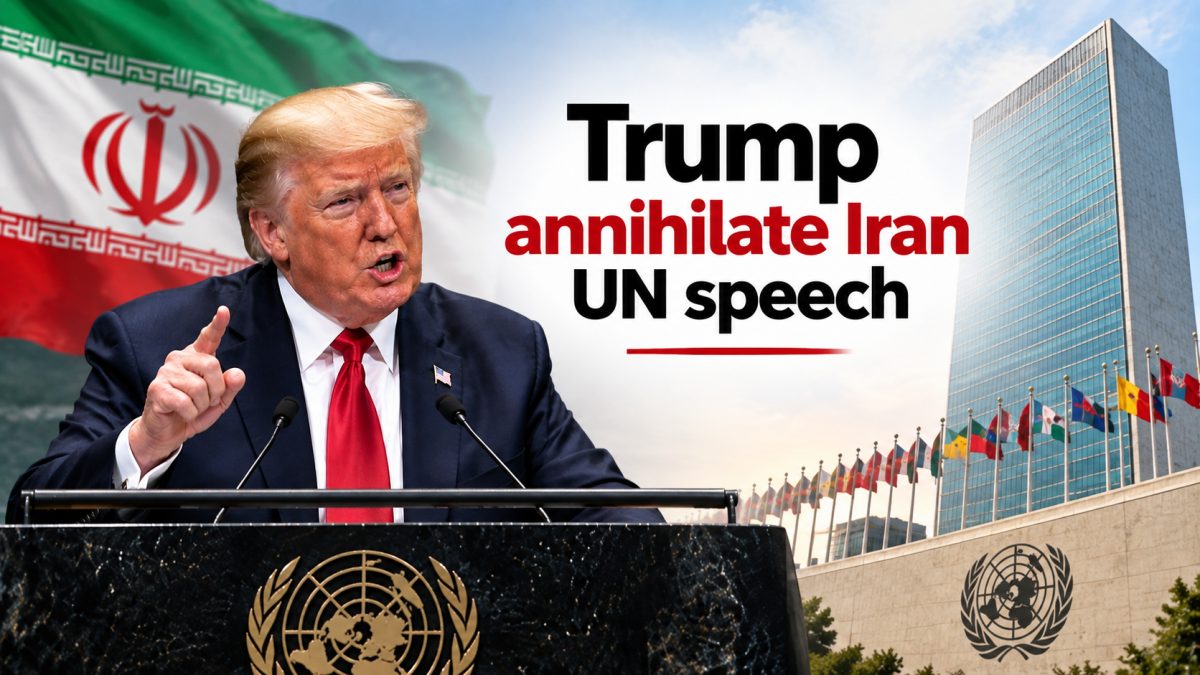
President Donald Trump told the United Nations General Assembly in New York on Tuesday, September 22, 2026, that he could "annihilate the Islamic Republic" of Iran if Tehran fails to accept a settlement ending the nearly seven-month U.S.-Israeli war, then disclosed hours later that American and Iranian officials had held a three-hour meeting on the sidelines of the same gathering, according to multiple contemporaneous reports.
Sweden's Centre-Left Opposition Narrowly Wins Parliamentary Election, SVT Confirms
A Threat and a Meeting on the Same Day
Trump's address framed Iran's fate as a binary choice. "Or do I annihilate the Islamic Republic and do it quickly, never giving them a chance to kill and destroy people and countries again?" he told assembled world leaders, according to reports from the chamber. He further asked whether he should "drive them into hell with no chance of survival," language that marked one of his most explicit public threats since the war began in February.
The remarks came during a broader defense of the military campaign Washington launched alongside Israel seven months earlier. Yet within hours, Trump told reporters that U.S. and Iranian officials had in fact met that same Tuesday — an encounter Euronews and other outlets described as the first confirmed direct contact between the two governments since the conflict started. The juxtaposition, delivered within a single news cycle, left diplomats and analysts parsing whether the threat was coercive leverage, a genuine warning, or both simultaneously.
Trump Vows To Hit Iran Hard After Strait Of Hormuz Strikes Resume
Inside the Three-Hour Sideline Session
Trump identified his representatives as Steve Witkoff, his special envoy, and Jared Kushner, his son-in-law and adviser, who met Iranian officials for approximately three hours, according to the president's own account and reporting from the Boston Globe and CBS News. Trump called the meeting "very good" and "very productive" and said another session was scheduled "in the very near future," though he did not name the Iranian participants, disclose the meeting's location, or specify whether it touched on the nuclear program, sanctions, hostages, regional forces, or a ceasefire framework.
CBS News reported that the meeting "went well," but that Trump "offered no details on the discussions." That absence of specifics is significant: no joint statement was issued, and no independent Iranian account of the meeting appeared in available reporting. The confirmed fact is limited to contact having occurred and a follow-up meeting being planned — not that either side moved closer to resolving the core disputes driving the war.
Midterms Loom Over Any Eventual Settlement
Trump predicted that Iran's leaders would ultimately strike a deal, but only after the U.S. midterm elections on November 3, when control of Congress and Washington's political dynamics could shift, according to CBS News and Reuters. That timeline is a presidential forecast, not a commitment from Tehran or a confirmed diplomatic schedule. No terms of a prospective settlement — territorial, military, or economic — were disclosed in any of the initial accounts of the speech or the sideline meeting.
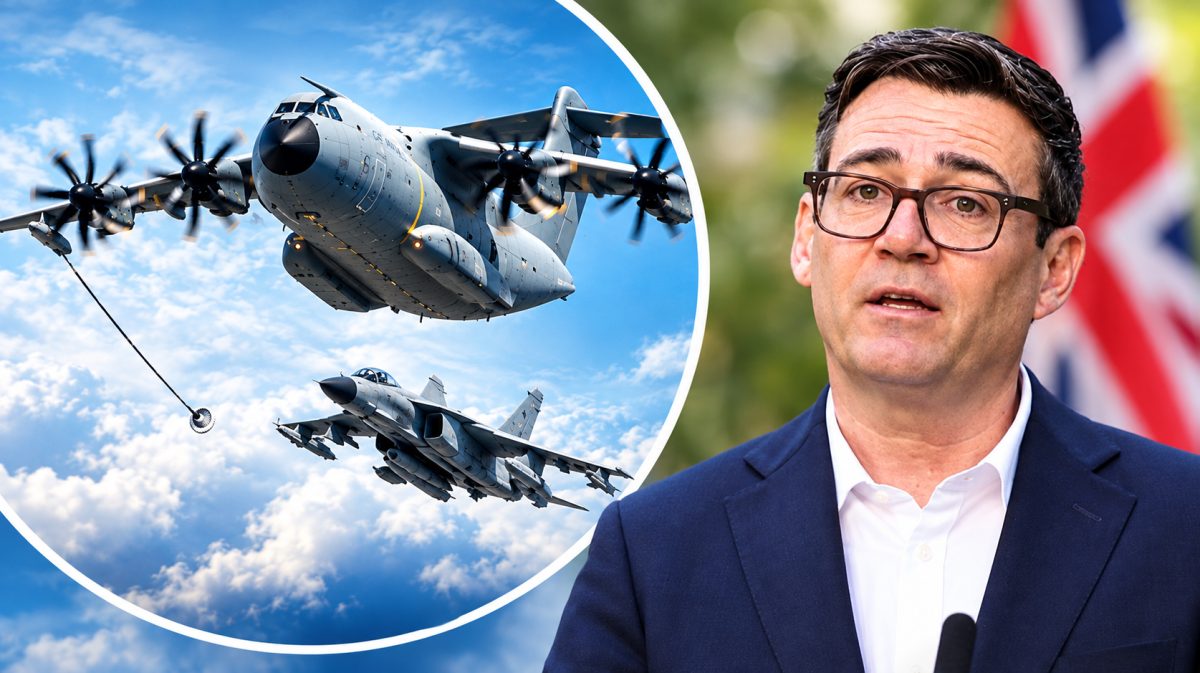
British Prime Minister Andy Burnham, whom Trump met separately on the sidelines, was told by the president that he believed a settlement with Iran would eventually be reached, the New York Times reported. That comment reinforced the pattern of confident public predictions unaccompanied by verifiable detail, leaving regional governments and markets to weigh rhetoric against unconfirmed substance.
Allies Question US Credibility Amid Mixed Signals
The New York Times reported that allies have begun openly questioning whether the United States remains a credible partner, even as Trump defended the war he launched with Israel in February. The tension stems directly from the sequence of events: a public ultimatum threatening annihilation, followed within hours by confirmation that senior American envoys were quietly negotiating with the same government. For foreign capitals trying to calibrate their own posture toward Iran, the contradiction complicated any straightforward reading of U.S. intentions.
Trump's UN address extended well beyond Iran. He labeled Cuba a "failed state," declaring, "Communism will never be coming to America, but freedom will be coming to Cuba," prompting members of the Cuban delegation to walk out, Reuters and the New York Times reported. Reuters characterized the overall address as built around "threats, diplomacy and 'super intelligence,'" positioning the Iran campaign within a wider argument for assertive American engagement abroad, alongside references to Ukraine and emerging technology.
What Remains Unconfirmed as Diplomacy Continues
The core unresolved question is whether the three-hour meeting represents the start of a genuine off-ramp from war or merely a channel for both sides to test intentions without conceding ground. Iran gained an opportunity to signal openness without appearing to capitulate to the annihilation threat; Israel and other regional actors saw Trump reaffirm his willingness to escalate militarily if talks collapse.
Separately from the Iran developments, Trump met Danish Prime Minister Mette Frederiksen and Greenlandic Prime Minister Jens-Frederik Nielsen after his speech to sign a new security agreement, according to reporting on his sideline schedule. No date, venue, or agenda was announced for the next round of U.S.-Iran talks Trump said was imminent, meaning the war's trajectory — toward escalation, negotiated settlement, or continued stalemate — remains publicly undetermined heading into the concluding days of the UN General Assembly session.