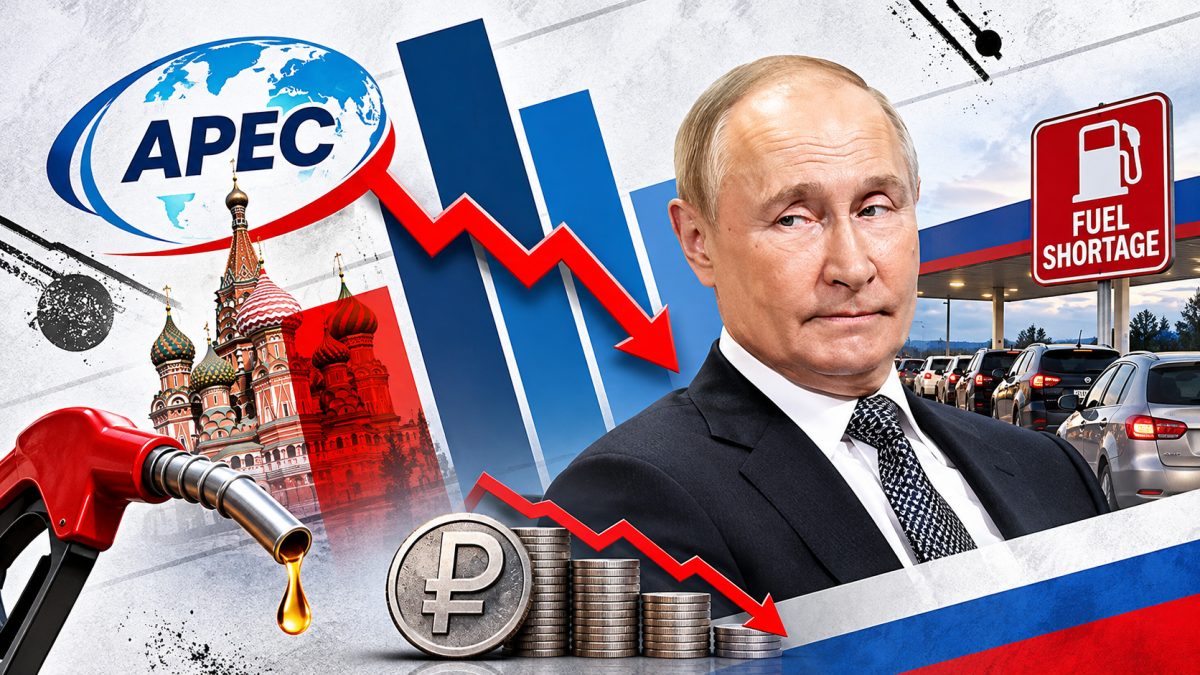

Putin told Asian business leaders Russia was beating Europe, even as drone strikes quietly wiped out half the country's fuel supply.
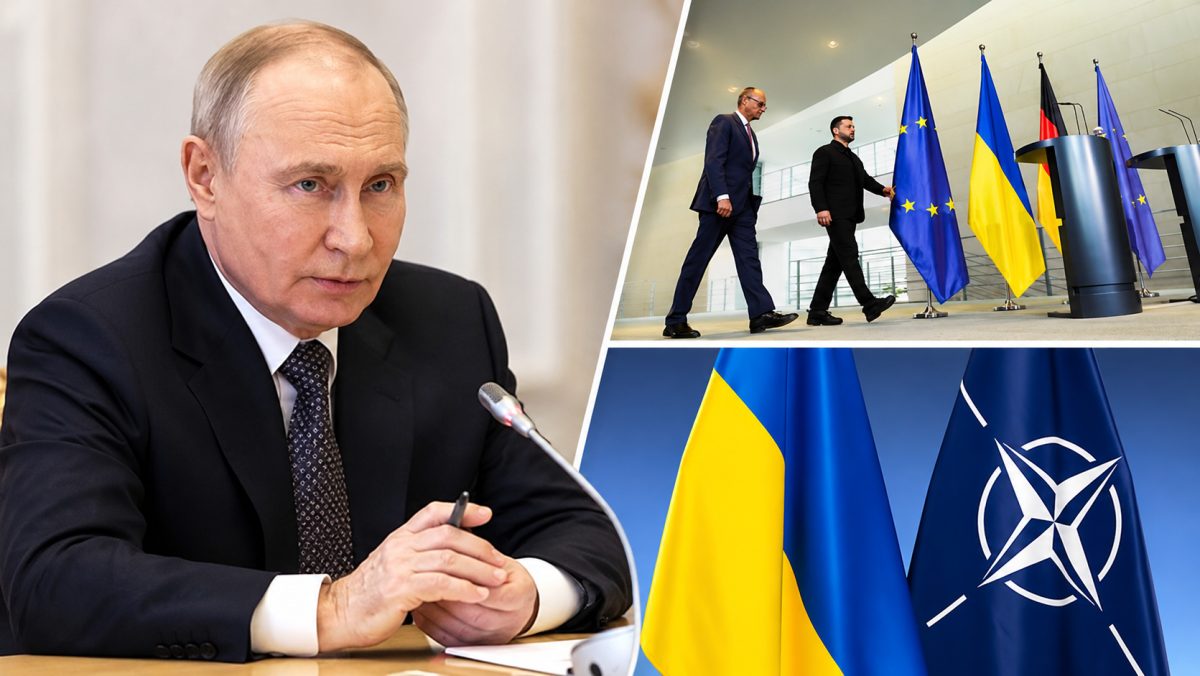
Russian President Vladimir Putin stood before the APEC Business Advisory Council in Shenzhen, China, on November 18, 2026, and painted a rosy picture of Russia's economy, just as Ukrainian drone strikes on Russian oil refineries pushed the country toward a serious fuel crisis, according to analysts tracking the damage.
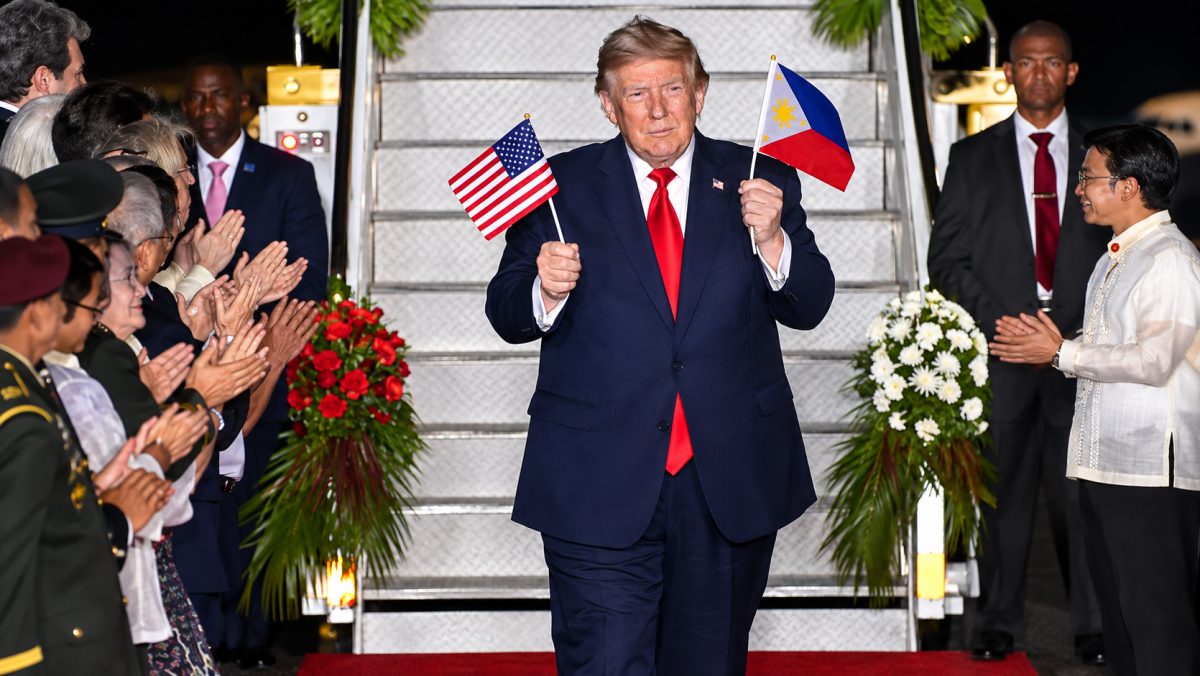
Trump ASEAN Summit 2026 Manila Arrival Comes Late, But He Still Steals the Show
Putin APEC Russia Economy Pitch Meets Hard Numbers
Putin used his Shenzhen speech to argue that sanctions, tariffs and export bans had failed to slow Russia down. He told the crowd that Russia's GDP had grown more than 10% over the past three years and that unemployment sat at just 2.3%. He framed Western pressure as something that actually pushed Russian industry to get stronger and more productive.
But the numbers behind the scenes tell a different story. Russia's own government now expects growth of only 0.4% for 2026. Third-quarter growth came in around 1% year over year, down from 1.3% the quarter before. High interest rates, meant to fight inflation caused by massive war spending, are squeezing businesses and everyday shoppers alike. The gap between Putin's speech and his government's own forecast is hard to miss.
EPFO Higher Pension Cases: Why It Now Wants To Fight Pensioners In Court
Ukraine Strikes Russian Oil Refineries Hard
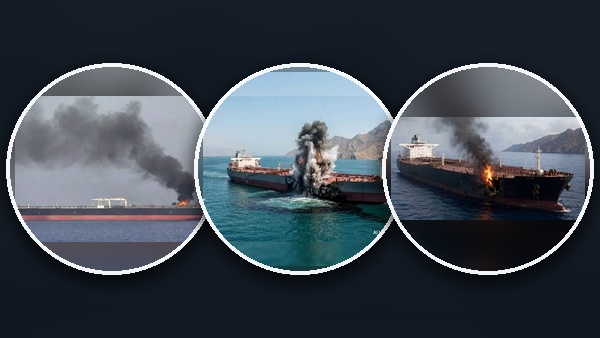
The real story sits far from the conference stage, inside Russia's oil refineries. Sergey Vakulenko, an oil and gas expert at the Carnegie Endowment for International Peace, said Ukrainian drone attacks over roughly two and a half weeks had hit more than 55% of Russia's refining capacity. About half of the country's refinery output has simply stopped.
That matters because refineries turn crude oil into the gasoline and diesel that keep cars running, farms working and tanks moving. Vakulenko said even if the strikes stopped immediately and crews fixed every damaged site by the end of November, fuel shortages would still happen. The damage is too deep to patch quickly. This builds on a rough summer, when Russia already faced fuel shortages and had to restrict sales in some regions. Refining output in the third quarter fell 18% from a year earlier, the steepest drop since at least 2020.
Putin Blames Europe While Facing His Own Problems
Putin didn't just defend Russia's economy. He went after Europe directly, saying the European Union never figured out how to replace cheap Russian energy. "It is losing its industrial potential and its competitive edge," he said, adding that budget deficits, debt and inflation were all rising across the continent.
He also claimed European prosperity for decades had depended on cheap, stable Russian energy supplies that are now gone. It's a message Putin has repeated often since the war began, aimed at showing Russia holds the stronger hand. Yet his own country is dealing with fuel shortages, a slowing economy and a banking sector facing rising bad debts, problems that don't fit neatly into a story about European decline.
Trump and Xi Meeting Adds Pressure to the Moment
Putin's APEC appearance came just before a planned three-way meeting with U.S. President Donald Trump and Chinese President Xi Jinping, described by officials as an unprecedented sit-down between the leaders of three major nuclear powers. White House and Kremlin officials confirmed plans for the meeting on November 13 and 14, setting up a dramatic backdrop for Putin's economic claims.
Trump has already waded into the refinery fight, striking a diesel deal with Russia that waived certain sanctions and allowed the sale of millions of tons of fuel. He has also blamed Ukraine's refinery strikes for pushing global energy prices higher, though other reporting points to the Iran war as the bigger driver of crude prices. Adding to the tension, a Ukrainian strike on November 16 damaged part of the bridge connecting Crimea to Russia, just two days before Putin's Shenzhen speech, a reminder that Ukraine can hit high-value targets far from the front lines.
What Comes Next for Russia's Economy and Fuel Supply
The months ahead will test how long Russia can keep projecting strength while patching holes at home. Repair crews face a race against more possible strikes, and even a full pause in attacks wouldn't undo the damage already done to refining capacity. Analysts expect shortages and higher prices at the pump regardless of what happens next militarily.
Moscow may turn to fuel imports, export limits, or rationing fuel between regions to manage the shortfall. Meanwhile, the Trump-Xi-Putin meeting could open the door to talks on energy trade and sanctions relief, though nothing concrete has been agreed so far. For now, Putin's confident words in Shenzhen sit uneasily next to the quiet, growing problem of empty fuel tanks back home.