
India wants a better deal than its rivals, but Washington still hasn't decided what the rules will actually be.
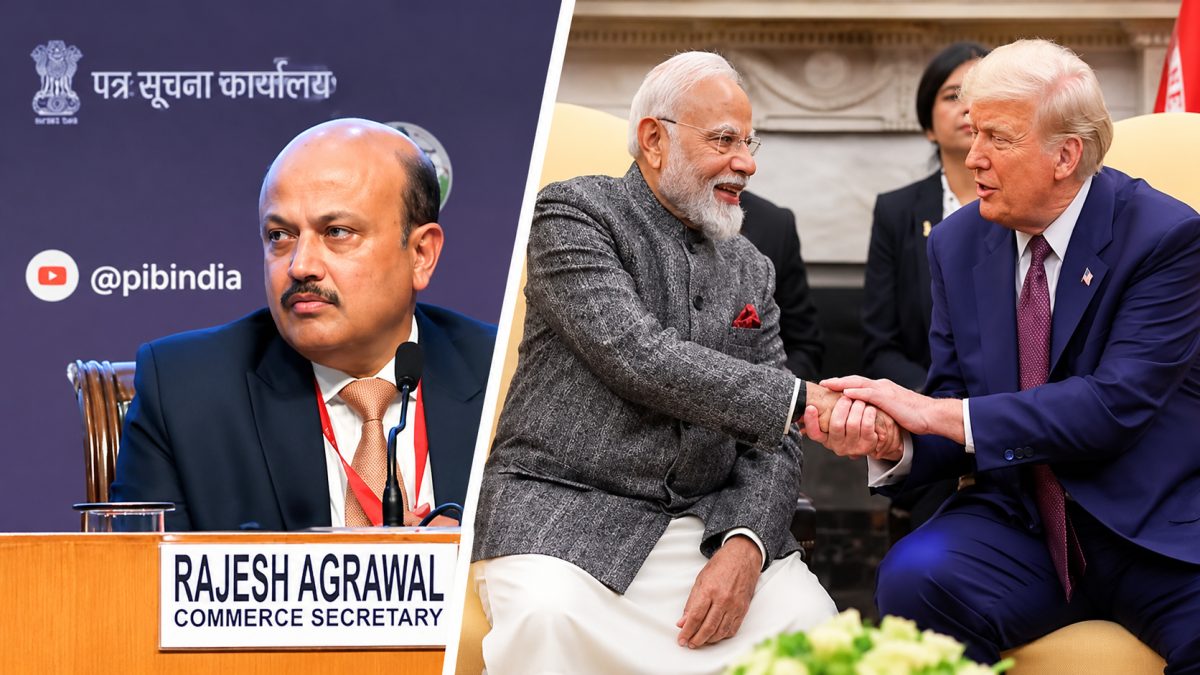
India's proposed trade agreement with the United States is being held back until Washington finalises its new tariff structure, Commerce Secretary Rajesh Agarwal said this week, pointing to pending Section 301 investigations and fallout from a US Supreme Court ruling against President Donald Trump's reciprocal tariffs as the main reasons for the delay.
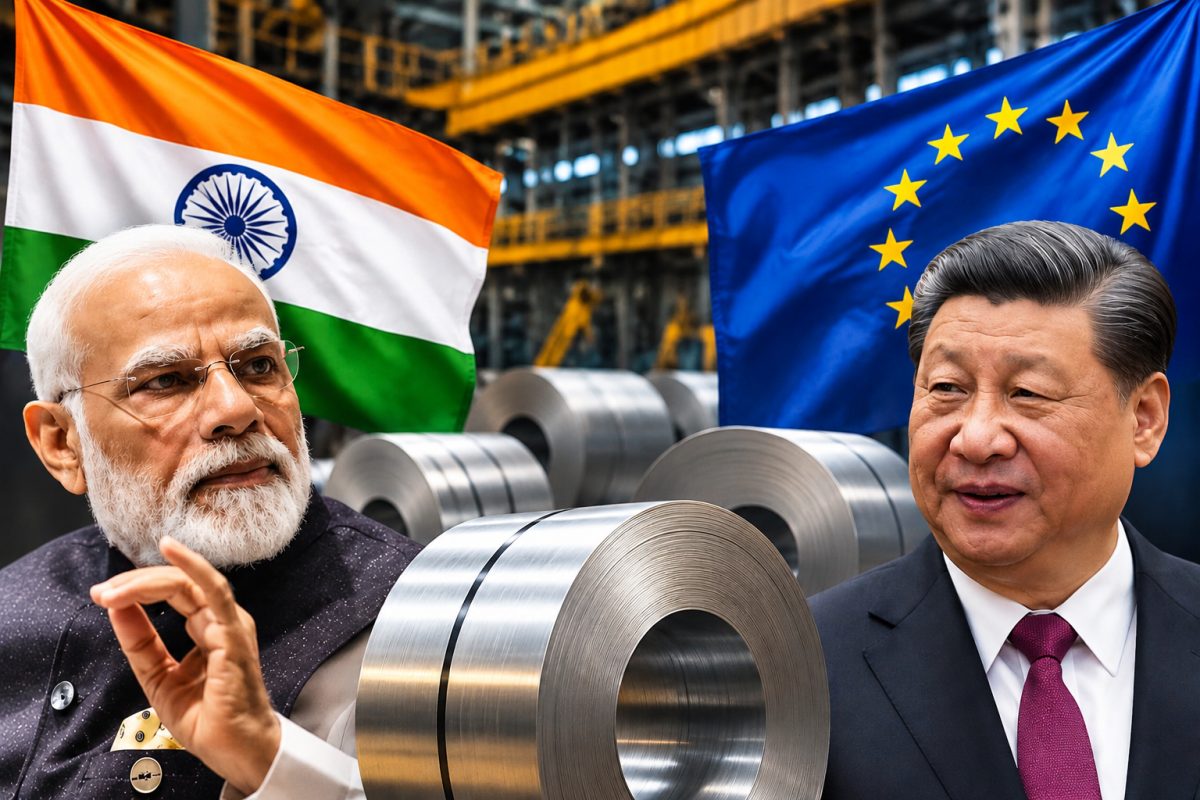
EU Anti-Dumping Duty on Steel Imports From India Hits 9.5% Starting Nov 17
Why the India US trade deal tariff structure keeps shifting
Commerce Secretary Rajesh Agarwal says the India-US trade deal signing could take time, despite both sides finalising its key aspects The legal agreement is nearing completion, while the US is working on a new tariff architecture; what is holding up the signing? @SumitaKareer has more details @DoC_GoI @RajeshAgrawal94
— ET NOW (@ETNOWlive) November 18, 2026
Agarwal said the deal cannot simply be signed on its own timeline. "The deal has to be signed when the overall tariff structure is getting formalised," he said, adding that American officials are themselves working to rebuild their tariff approach after parts of it were struck down. "There is parallel work being done in the US also to get back the tariff structure based on some of the outcomes of the 301," he noted.
This matters because the entire value of the pact for India rests on getting a better deal than competitors. As Agarwal explained, a trade agreement is not just about reaching a foreign market. "When you do a trade deal, it gives you not only market access in each other's markets; it gives you preferential market access in a particular market," he said. India is specifically chasing lower duties than countries like China, Bangladesh, and other Asean nations that compete directly in textiles and footwear.
Stock Market Monday November 2 2026: Why Nifty's 23,000 Hold Isn't Guaranteed
Section 301 probes add fresh uncertainty
The US Trade Representative launched two separate Section 301 investigations on March 11 and 12, 2026, covering roughly 60 economies. One looks at whether countries are doing enough to stop imports linked to forced labour. The other examines structural industrial overcapacity. Reports suggest a proposed additional tariff of around 12.5% on most affected economies, a figure India's government and industry groups have pushed back against.
Earlier this year, officials described a July proposal where countries like Canada, Ecuador, the European Union, Indonesia, Mexico and Pakistan would face a 10% tariff, while India sat alongside China and more than 50 other economies at a proposed 12.5% rate. Those numbers were never finalised. Commerce and Industry Minister Piyush Goyal said in October that the broader framework was done in substance and had moved into legal drafting, but cautioned that the deal could only be locked in after the USTR revealed its next steps following the Section 301 tariffs already imposed on over 50 countries.
Preferential access promised, but the real value is unclear
Despite the holdup, Indian officials insist progress has been real. A senior government official told news agency ANI, "The US has assured India of a comparative tariff advantage over its competitors in the trade deal." Goyal echoed that sentiment, saying India had already secured an understanding on preferential market access, meaning Indian goods would face lower duties than rival exporters. He added, "We are working towards closing the first tranche by the end of this financial year."
But officials are careful to note that the actual size of this advantage cannot be confirmed until Washington publishes its final tariff framework. If the US changes baseline rates for India's competitors after the deal is signed, the edge India negotiated could shrink or disappear entirely. That is precisely why Agarwal is urging patience rather than rushing to sign something that might not hold up once US policy settles.
Exports keep climbing even as talks drag on
The stakes are high for Indian exporters. Data released in October showed India's merchandise exports jumped 23% year-on-year in September, with shipments to the US alone rising 11%. That growth underscores how much is riding on preserving smooth access to the American market, and why losing a competitive edge to countries like Vietnam or Bangladesh would sting.
External Affairs Minister S Jaishankar struck an optimistic note recently, saying talks were near the "finishing line" and that many of the unresolved issues were not really on India's side of the table. Still, the negotiations are being split into tranches, with the first covering goods and tariffs, and services left for a later round. Goyal has said both sides are aiming to close that first tranche by the end of the current financial year, though he stopped short of naming an exact date.
What comes next for negotiators on both sides
The immediate next step rests with Washington. The USTR needs to settle on a replacement tariff structure following the Supreme Court's ruling and push forward the two Section 301 investigations toward their conclusions. Indian officials have said the final levy tied to the overcapacity probe could take four to six weeks after provisional findings are released.
Once that clarity emerges, Indian negotiators will decide whether the promised tariff advantage is strong enough to justify signing, and how to write it into the agreement in a way that protects India from future shifts in US trade policy. Analysts have also warned that even after signing, Washington could still impose fresh duties later, possibly 15% to 18% above standard rates, meaning the deal's real protection may depend as much on enforcement as on the text itself.