
Moscow wants more than a cease-fire this time, and that is making Europe nervous all over again.
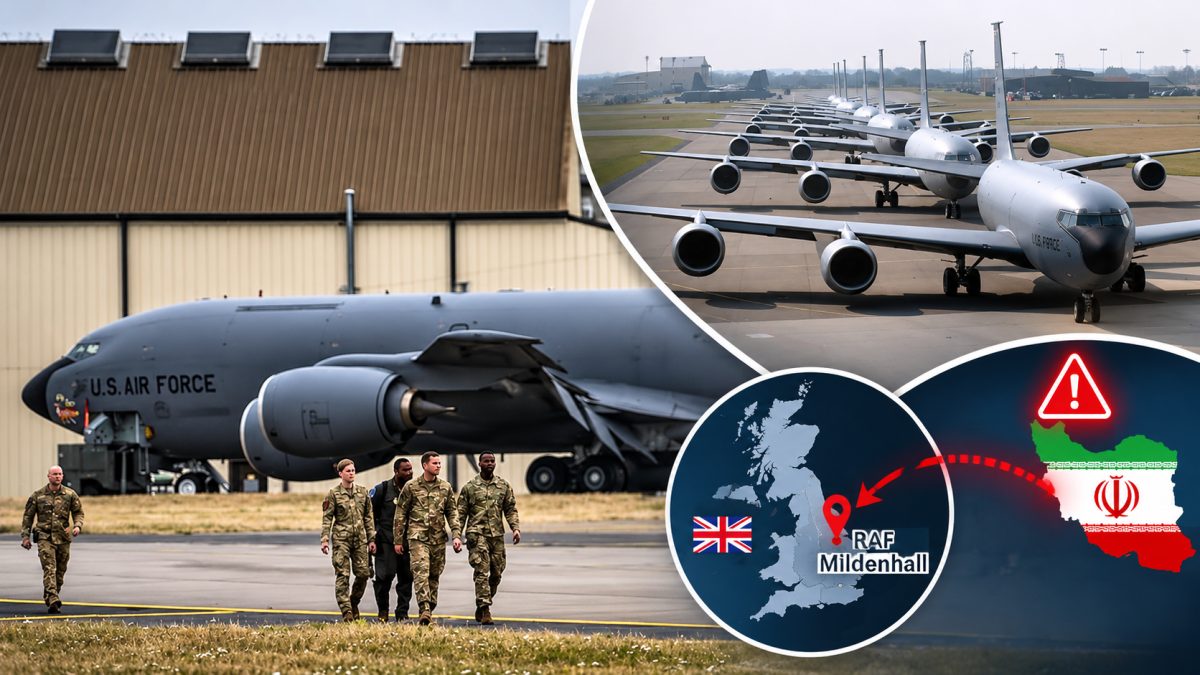
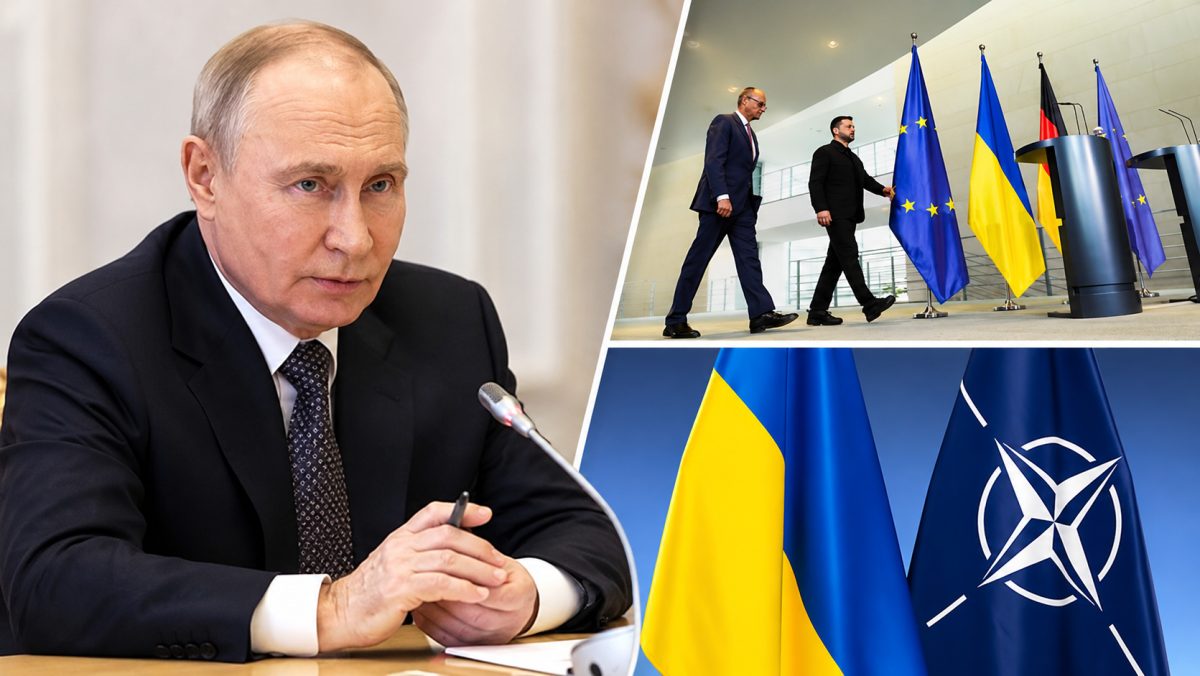
Russia has reportedly revived its demand that NATO retrench its military presence in Eastern Europe as part of a possible deal to end the war in Ukraine. The demand surfaced during talks in Abu Dhabi the week of November 9, 2026, involving Russian, Ukrainian and U.S. representatives, according to The New York Times.
Russia Ukraine School Bombing Kills 24 at Aid Center, Toll Climbs to 26
Russia NATO retrench demand resurfaces in Abu Dhabi talks
Russian officials circulated a document during private talks with envoys working for President Donald Trump, The New York Times reported on November 13, 2026. The paper said the document brought back Moscow's pre-invasion demand that NATO pull its forces back to the positions it held in 1997, before the alliance expanded eastward.
The proposal reportedly targets NATO's eastern flank, including Poland and the Baltic states of Estonia, Latvia and Lithuania. It also seeks limits on NATO bases in the Baltic region and broader restrictions on alliance military activity near Russia's borders. This is not a new idea from Moscow. Russia pitched nearly the same demand in December 2021, just two months before it invaded Ukraine.
Life in Kyiv During Russian Attacks: How a City Keeps Going at 3 A.M.
Finland NATO exit claim denied by the Kremlin
German newspaper Bild reported separately that Russian negotiators demanded Finland leave NATO entirely. Bild said the same package would require Ukraine to stay permanently outside any military alliance, recognize Russian control over occupied territory, and hand over the rest of the Donbas region to Russia. Ukraine would reportedly keep the option to join the European Union, just not NATO.
Kremlin spokesman Dmitry Peskov pushed back hard on the Finland piece of the story. "I am not aware of this. No, no such conditions have been put forward," Peskov said, according to reporting from RBC-Ukraine. Other outlets, including the Yle and Tribune, repeated the Bild claim but noted it has not been confirmed through any official Russian channel.
The broader NATO retrenchment demand carries more weight because it lines up with comments from a senior Russian diplomat. Alexey Drobinin, speaking at a Moscow security conference on November 11, said Russia could pursue bilateral non-aggression agreements with individual NATO countries. "For example, agreements of this kind could be reached, among other things, with individual NATO member states, which would then receive, for instance, additional individual security guarantees from the Russian Federation," Drobinin said, according to Reuters.
Why Finland's NATO membership matters so much here
Finland joined NATO in April 2023, becoming the alliance's 31st member after Russia's invasion flipped public opinion in a country that had stayed militarily nonaligned for decades. Sweden followed in 2024. Finland's membership added roughly 1,340 kilometers of new NATO-Russia border and ended one of Europe's longest-standing policies of neutrality.
A demand that Finland walk that back would mean reversing a decision made by Finland's own elected government and parliament. It would also undo part of the alliance's post-2022 map in Northern Europe, something NATO has shown no sign of being willing to discuss. NATO's standing position is that membership stays open to eligible countries and that each nation picks its own security path, not Moscow.
Washington pushes to bring Europe into the room
The latest round of discussions appears to have shifted away from an immediate cease-fire and toward a much bigger question: what Europe's security setup looks like after the war ends. Russian negotiators made clear they wanted changes to Europe's defense arrangements settled before agreeing to stop fighting, based on New York Times reporting.
U.S. envoys Steve Witkoff and Jared Kushner met President Vladimir Putin in Moscow on November 12 and pushed for European governments to join the negotiating table. Their effort came right after Russia raised the Europe-wide security issue during talks in the United States, the Times reported. In Dublin, Ukrainian President Volodymyr Zelensky said European officials would join the next round of talks, a sign that Kyiv wants its allies directly involved rather than watching from the sidelines.
European governments reject the idea Russia sets the terms
European officials have made clear they do not accept the premise that Moscow gets a say in how the continent defends itself. The New York Times described European governments as insisting that Europe, not Russia, decides its own security future. That stance puts Washington in an awkward spot, trying to keep talks alive without letting Russia reshape NATO's eastern defenses or cut Europe out of its own peace process.
Nothing reported so far shows that NATO, Finland or Ukraine has agreed to any of these Russian conditions. There is no final peace deal on the table. What is clear is that Russia is trying to turn a Ukraine settlement into something much bigger: a renegotiation of the security rules that have governed Europe since the Cold War ended. The next round of trilateral talks, expected to include European governments this time, will show whether that strategy gains any ground or hits a wall.