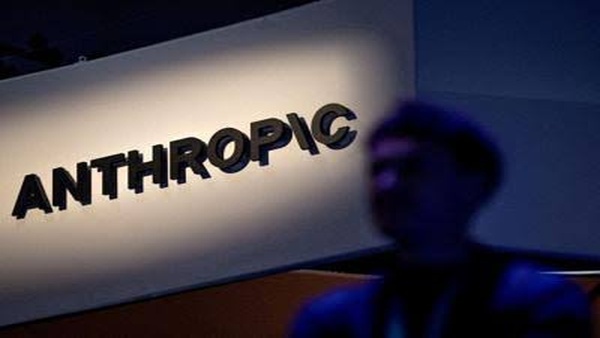

Banks working on one of the biggest AI stock debuts ever are reportedly turning away buyers from two major markets.
Anthropic IPO China investors are being shut out of the offering, according to people familiar with the matter cited by Bloomberg on November 13, 2026. Several banks handling the deal have refused orders from institutional investors in mainland China and Hong Kong, or warned that getting any shares was unlikely, ahead of the planned November 18 pricing date.
Nvidia Stock Rout Retail Buyers Rushed In After Jensen Huang Quit as CEO
Banks Turn Away Orders From China and Hong Kong
The restriction surfaced during the order-taking phase of Anthropic's IPO, the process where big investors tell underwriters how many shares they want before the stock starts trading. People familiar with the matter said multiple banks simply declined to accept bids from institutional investors based in mainland China and Hong Kong. Others didn't flatly reject the orders but told investors not to expect real allocations.
This isn't a blanket ban on anyone with Chinese roots or heritage. It specifically targets institutions located in those two markets. That distinction matters a lot, because it shapes how the next few days of dealmaking will play out as Anthropic finalizes its investor list before shares begin trading on Nasdaq under the ticker ANT.
The caution from banks wasn't random. People close to the situation said the limits were partly tied to U.S. International Traffic in Arms Regulations, known as ITAR. These rules control exports of defense-related technology and services. Advanced AI systems like Anthropic's Claude chatbot can have uses beyond everyday chat and coding help, including applications that touch on intelligence work or military research, which is why banks are treating investor eligibility so carefully.
US Stocks Fall as Hot Inflation Sparks Hawkish Fed Fears and Nvidia Slide
Why Export Rules Are Driving Anthropic IPO China Investors Concerns
Washington has spent years treating artificial intelligence as a national security issue, not just a business trend. Chips, advanced computing power, and now AI model ownership are all being watched closely by U.S. regulators. Beijing, on the other hand, sees frontier AI as central to its own economic and military ambitions. Anthropic's IPO is landing right in the middle of that standoff.
It's worth noting that no formal public rule has named Anthropic's IPO specifically. There's no announced government order saying every Chinese or Hong Kong investor is legally banned from buying ANT shares. Instead, this looks like banks and underwriters making their own risk calls, trying to avoid regulatory trouble or reputational headaches tied to who actually owns pieces of a powerful AI company.
That's an important nuance for anyone searching to understand why Chinese investors are barred from the Anthropic IPO. The exclusion appears to be a deal-level decision made by banks managing compliance risk, not a sweeping new law. Still, the practical effect is the same for now: institutional buyers in those markets are being locked out of the order book.
Offshore Trusts and Workarounds Are Already Showing Up
Some investors aren't giving up that easily. A family office tied to a Chinese technology founder reportedly tried to get exposure through a trust set up in the British Virgin Islands, according to people familiar with the offering. Hong Kong-based buyers may also try routing bids through offshore holding companies or similar structures to get around the direct restrictions.
But these workarounds come with no guarantees. Anthropic and its underwriters still control who actually gets shares. Even if an offshore trust or holding company submits a bid, allocation decisions sit with the deal's lead banks, and people familiar with the matter say this issue is unlikely to get cleared up through any formal written guidance anytime soon. In other words, filing through a British Virgin Islands vehicle might get an order submitted, but it won't guarantee stock lands in anyone's account.
This pattern echoes how other sensitive U.S. tech offerings have handled foreign capital in the past, where ownership transparency becomes just as important as the money itself. Reports have compared the situation to a similar playbook used in other high-profile private company listings, where beneficial ownership questions outweighed simple geography-based screening.
What Happens Before Anthropic Starts Trading on Nasdaq
The IPO is still on track to price on November 18, 2026, with trading expected to start the next day, November 19, on Nasdaq under the ticker ANT. Some reports have floated a valuation figure as high as $1.4 trillion for the offering, though no official Anthropic filing confirming that number was available in current reporting, so it should be treated as unconfirmed until the company or underwriters make a formal statement.
No public comment has come from Anthropic, its underwriters, U.S. regulators, or Chinese officials directly addressing the exclusion. Everything reported so far comes from people familiar with the matter who aren't named publicly. That could change quickly once the deal prices, especially if frustrated investors or advocacy groups push for clarity on why certain markets are being frozen out of one of the most anticipated tech listings in years.
For now, the bigger story is what this means going forward. If banks keep treating AI companies as strategically sensitive assets, similar restrictions could become standard practice for future AI listings, not just Anthropic's. Investors in China and Hong Kong may need to get used to offshore structures becoming a regular, uncertain path into American AI stocks, rather than a guaranteed workaround.