
Nvidia's board says it is checking whether its own CEO became a target in a quiet intelligence operation, and traders reacted within hours.
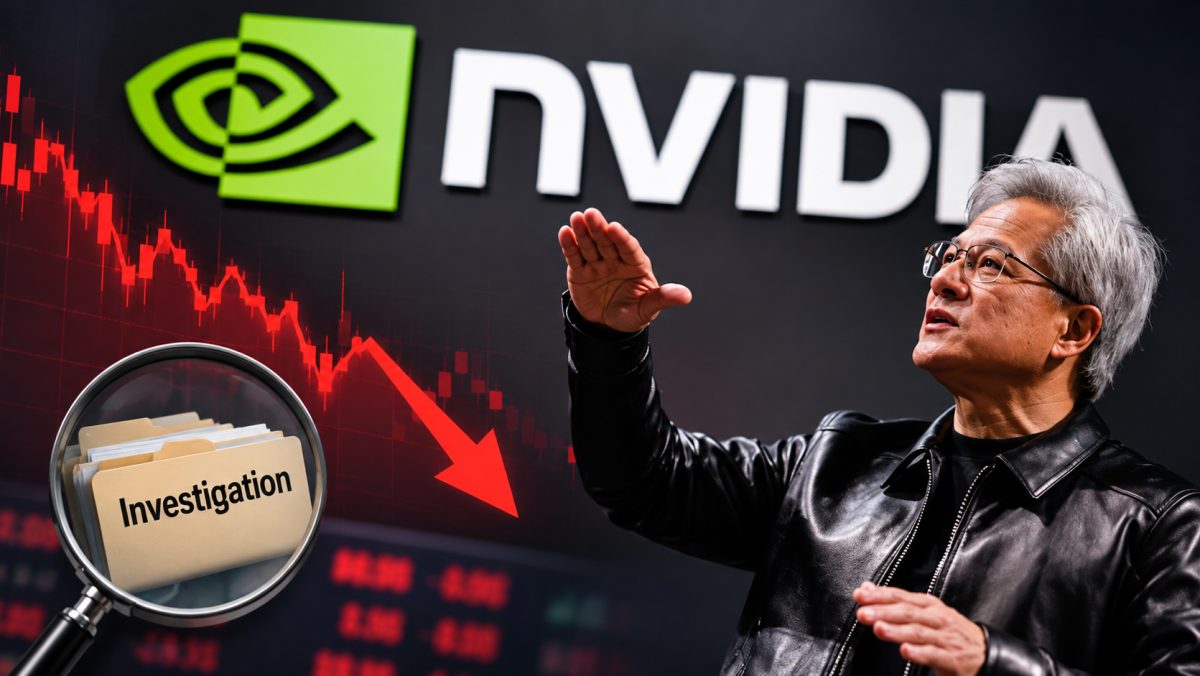
Nvidia stock fell after-hours Jensen Huang investigation news spread late Sunday, November 8, after the chipmaker's board said it was launching an independent probe into reports that founder and CEO Jensen Huang had been targeted by a foreign intelligence effort. Nvidia-linked shares and futures dropped to around $180.30 on Monday, November 9, down about 3.4% from Friday's Nasdaq close of $186.64.
Stock Futures November 9 2026: Why Tech Is Trying to Bounce Back From AI Rout
Nvidia Stock Falls After-Hours Following Board Announcement
The selloff did not happen on the regular Nasdaq, since U.S. markets were closed when the news broke. Instead, it showed up in Nvidia-linked perpetual futures trading on the Hyperliquid cryptocurrency exchange and in after-hours shares tracked through the Blue Ocean system. Both were quoted near $180.30, according to Reuters, a notable gap from Friday's close of $186.64.
That kind of after-hours and futures trading tends to be thinner than a normal trading day on Wall Street. Prices can swing harder on less volume. Still, a 3.4% move for a company as large as Nvidia reflects real investor unease, not just noise. It shows how fast markets react when a company tied to national security and the AI chip race announces an internal investigation into its own chief executive.
Trump Addresses Jensen Huang Chinese Spy Plot, Calls Nvidia CEO 'Brilliant'
Board Opens Independent Review Into Jensen Huang
Nvidia's board did not mince words in its statement, saying, "The NVIDIA Board is initiating an independent investigation in light of recent reporting that founder and CEO Jensen Huang has been the target of a foreign intelligence effort." The company added that a committee of independent directors, working with outside independent counsel, would lead the review.
Importantly, the board also said, "While the Board has no reason to believe that either national security or NVIDIA secrets were compromised, the Board's inquiry will examine all available information." That line matters. It means Nvidia is not confirming any leak or theft happened. It is launching a fact-finding process to figure out what, if anything, actually took place.
The board said Huang "fully supports the review and has committed to cooperating with it," and added that it still has confidence in "Jensen and his leadership team." Huang remains CEO throughout the process, and no change in his role has been announced.
Alice Huang and the Megaspeed Connection
The investigation traces back to media reports, including one from The New York Times around October 29, alleging that U.S. intelligence officials believed a woman named Alice Huang had developed a close relationship with Jensen Huang while working as a Chinese intelligence asset. Alice Huang was described in reports as a Chinese citizen and former senior executive at Megaspeed, a Singapore-based firm reported to have purchased Nvidia's advanced chips.
According to reporting summarized by multiple outlets, including The Associated Press and The Washington Post, Huang had acknowledged to the board that he had been intimate with the business executive in question before the investigation was announced. The intelligence assessment, as described in these reports, suggested she may have been gathering information for Beijing, though this claim has not been independently confirmed through court filings or government charges.
China's government pushed back hard against the entire narrative. As reported by ABC News, Chinese officials called the allegations "baseless and purely slanderous smears against China." No criminal charges, sanctions, or confirmed data breach tied to Nvidia have been publicly reported so far.
Why This Matters for Nvidia's Business and Reputation
Nvidia is not just another tech company right now. It makes the advanced processors that power much of the world's artificial intelligence boom, and its chips sit at the center of trade tensions between the United States and China. Any hint that its CEO could have been a target for foreign intelligence gathering touches on national security questions far bigger than a single company's stock price.
That is likely why markets reacted so quickly even outside normal trading hours. Investors are not just pricing in a scandal. They are weighing whether this could affect export rules, chip sales, customer trust, or regulatory attention down the road. The board's early statement that it has no reason to believe secrets were compromised was clearly meant to calm those fears before they spread further.
What Comes Next for Huang and Nvidia
For now, the independent board committee and outside counsel are left to sort through what actually happened. Nvidia has not given a timeline for when the investigation will wrap up, and no interim findings have been released. Huang remains in charge of the company day to day.
Watch for three things going forward: any update from the board committee, any statement from U.S. authorities about the intelligence claims, and how Nvidia's regular Nasdaq shares behave once full trading resumes. Until the board publishes real findings, this remains a reported national security concern tied to Huang's personal relationship, not a confirmed breach of Nvidia's technology or secrets.