
Some Google DeepMind workers say their contracts could silence them forever, and they want that fixed now.
Workers inside Google's artificial intelligence division are pressing executives to remove or clarify non-disparagement clauses that they say stop them from warning the public about AI risks, The Washington Post reported on November 3, 2026. The dispute centers on Google DeepMind staff in Britain, where some contracts reportedly bar former employees from criticizing the company for the rest of their lives.
US Stocks Today: Alphabet Revenue Miss Sparks AI Capex Jitters on Wall Street
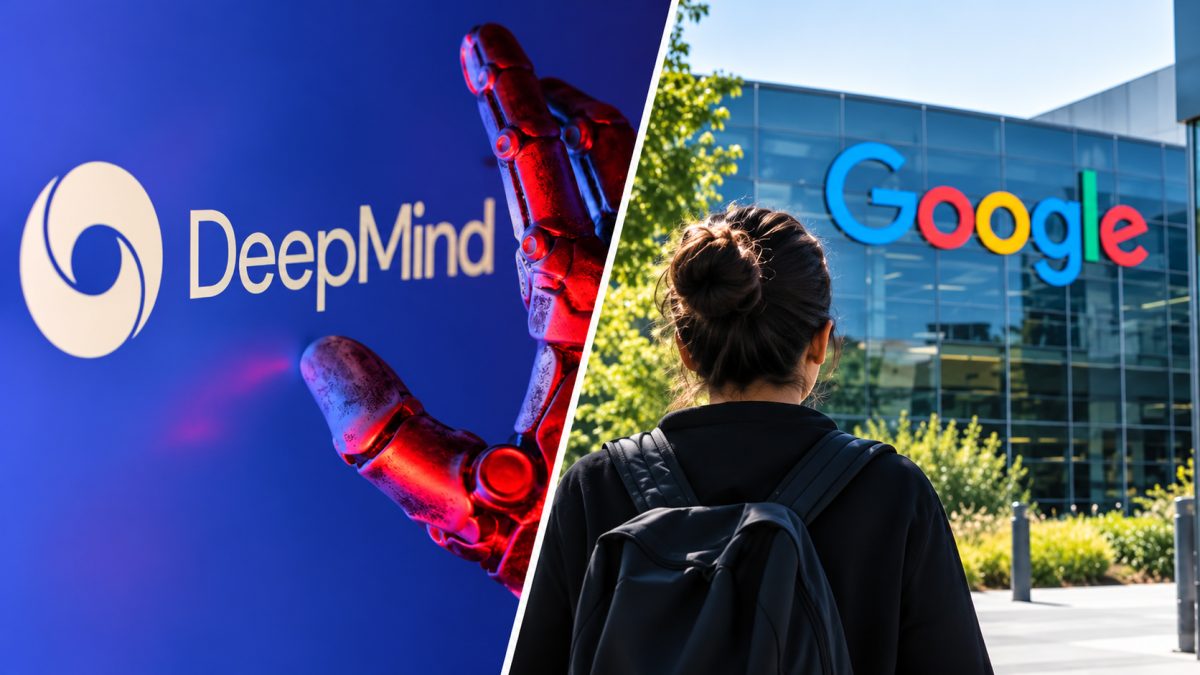
Google DeepMind non-disparagement clauses raise alarm among researchers
The Post reviewed a contract and spoke with two current Google DeepMind employees who described non-disparagement language that stretches far beyond the normal length of a job. These provisions reportedly stop workers from making public statements that could criticize Google or damage its reputation, even years after they walk out the door. DeepMind, once a British startup, became Google's AI research arm after the company bought it in 2014, and Britain remains one of its biggest hubs.
The employees raising concerns aren't talking about petty workplace gripes. They say AI researchers sometimes uncover real problems while building these systems, things like safety gaps, security holes, misuse risks, or harm to workers. If a lifetime gag order hangs over their heads, staff might choose silence over speaking up, simply to avoid a lawsuit or a messy legal fight down the road.
Googlebook Better Together Samsung Support Finally Arrives After Odd Launch Snub
Google says it won't enforce the rules, but workers want more than a promise
Google has told employees that it does not go after former workers who speak out, even if their old contracts contain non-disparagement language. A company spokesperson told the Post, "Recently, we've updated our terms for new hires, which included removing the post-termination aspect of non-disparagement clauses." The spokesperson added that Google "does not enforce non-disparagement clauses after people leave Google" and said staff can raise concerns through internal channels to senior leaders.
That assurance hasn't satisfied everyone. Workers pushing for change want the no-enforcement policy written directly into their contracts, not just stated as current company practice that could shift later. A verbal or policy-based promise, they argue, doesn't carry the same weight as binding legal language, especially for people who've already signed agreements with lifetime restrictions attached.
A history of friction between Google and its AI researchers
This isn't the first time Google's research culture has clashed with its business instincts. Back in 2020, the company rolled out a "sensitive topics" review process that added extra scrutiny to research touching areas like facial analysis, race, gender, and political topics. Internal communications reported by NBC News showed researchers being told to consult legal, policy, and public relations teams before publishing work in these areas, with the company reportedly asking some authors to "strike a positive tone."
That same period saw AI ethicist Timnit Gebru leave Google after a dispute over a research paper examining large language models. Google said the paper didn't meet its publication standards, while Gebru and her supporters called it an act of research censorship. Margaret Mitchell, who co-led Google's ethical AI team, left the company afterward, warning that blocking research because it clashed with corporate preferences could become "a serious problem of censorship." In 2022, engineer Blake Lemoine was dismissed after publicly claiming Google's LaMDA chatbot showed signs of sentience, a claim the company rejected outright.
Why this fight matters beyond Google's offices
The current dispute is different from those earlier flashpoints because it's not about a single paper or a single claim. It's about the legal fine print that governs what employees can say after they've already left the building. As AI systems grow more powerful and public worry grows over misuse, unreliable outputs, and privacy risks, the question of whether insiders can speak freely becomes harder to ignore.
The stakes reach past Google too. Rival AI labs face the same tangled questions about whistleblower protections and whether safety researchers can criticize their former employers once they're gone. No competitor has issued a public response yet, but the pressure on Google to set a clear example is likely to be watched closely across the industry.
What could happen next for Google DeepMind staff
Google has already changed its terms for new hires, removing the post-termination piece of the non-disparagement language going forward. What remains unresolved is whether existing employees, especially those in Britain who signed older contracts, will get the same updated terms.
Expect more internal back-and-forth over contract wording in the coming weeks, along with continued attention from AI safety advocates and labor groups who've watched this kind of standoff play out before at Google. No lawsuit, parliamentary inquiry, or formal deadline has been reported so far. The real test will be whether Google turns its spoken promise into a signed, enforceable commitment for the researchers who know the most about where AI could go wrong.