One man lost his voice to ALS, got it back through AI, and now his story is a warning about what synthetic speech can do to everyone else.
Science News published an episode called "Your voice can now say things you never said" on November 3, 2026, as part of its podcast The Deep End: Talk to Me. The episode explains how AI voice cloning can recreate a person's exact speech patterns and make that voice say words it never actually spoke, for better and for worse.
Inside the AI Graveyard: Why Humane, Relay and Character.ai Fell Apart
How AI Voice Cloning Rebuilt One Man's Identity
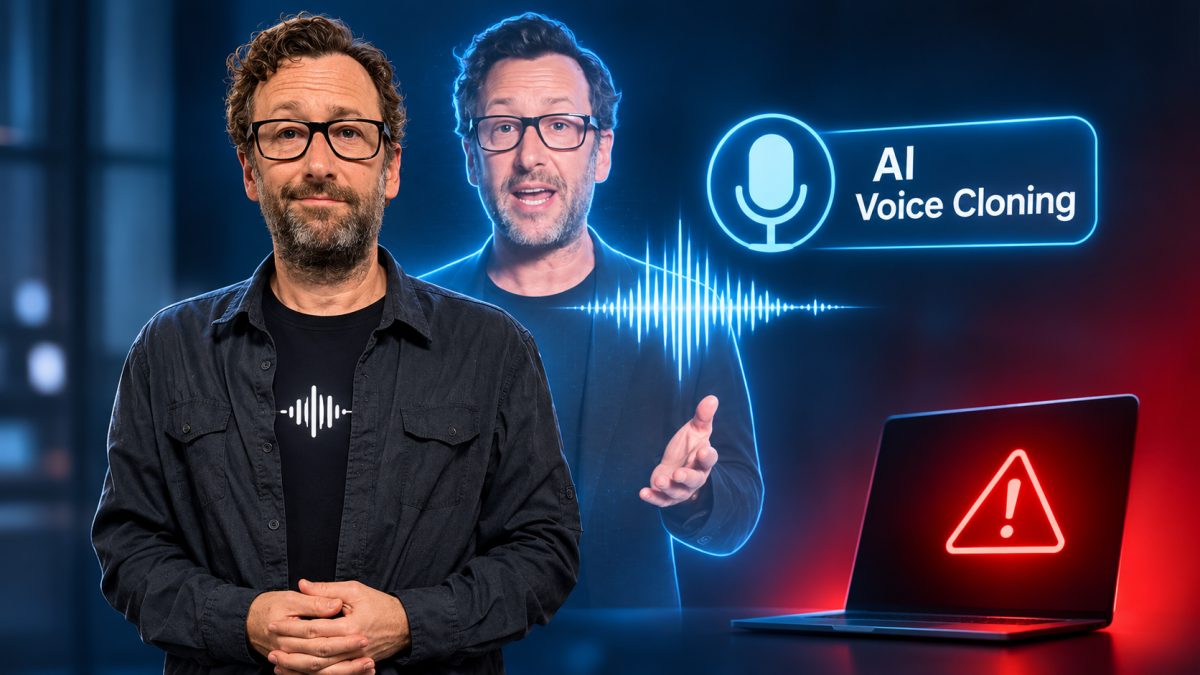
Jules Rodriguez was diagnosed with amyotrophic lateral sclerosis and lost his ability to speak. He now types with his eyes while an AI-generated voice clone reads his words aloud. In June 2024, Rodriguez used old recordings of his own voice to build that clone through ElevenLabs, according to Science News host Laura Sanders.
The result wasn't a simple playback machine. The system studied his pitch, tone, prosody, cadence and even his breathing patterns, then learned to generate brand-new sentences in his voice. That means the clone keeps his old stutters and intonation, the small details that made his voice sound like him and nobody else.
Rodriguez described the moment he first heard it back. "So when I first heard my cloned voice, it felt like I reappeared," he said. His wife cried the first time she heard it too, because it sounded so close to how he spoke before he lost his voice. Rodriguez has since used the cloned voice to perform live comedy, proving the technology can support more than basic conversation.
Why ChatGPT Keeps Sending Locked-Out Users to a Tiny News Site for Help
The Same AI Voice Cloning Tool Fuels Scams and Deepfakes
That same ability to separate a voice from its owner creates serious danger. AI researcher Hany Farid, who appears in the episode, pointed to a wave of fraud built on cloned voices. "So first, you're seeing massive types of fraud," he said. Farid cited romance scams, fake calls claiming a child had been kidnapped, and impersonation calls involving supposed national leaders.
Farid also warned that anyone with a keyboard and an internet connection can now generate convincing audio, video or images of a person saying or doing almost anything. That shift undercuts a basic human assumption: that hearing someone's voice proves they actually said something.
The episode also raises the issue of cloning the dead. One writer described submitting three minutes of his deceased father's audio to ElevenLabs after signing up for a starter plan. "A few minutes later, I had a scarily accurate clone of my dead father's voice," he wrote. That example pushes the conversation into murkier territory, since a person who has died cannot consent to how their voice gets used afterward.
Rules Around AI Voice Cloning Remain Scattered and Unclear
There's no single rulebook governing any of this yet. Sanders said during the episode that rules about who can use voice clones are "all over the place," varying by state and by country, while individual companies set their own separate policies. ElevenLabs is the platform named throughout the reporting as the tool both Rodriguez and the anonymous son used, though no universal consent standard or enforcement system across the voice-cloning industry is described in the available reporting.
That gap matters because the technology keeps getting more accessible. Modern systems can build a working voice model from just a short audio clip, which lowers the bar for assistive use but also lowers the bar for someone cloning a voice without permission. Whether a person's voice should count as private property, biometric data, or something closer to a fingerprint is still an open question nobody has fully answered.
A Season Built Around Losing and Rebuilding a Voice
This episode didn't appear in isolation. Science News announced the second season of The Deep End on September 29, 2026, built entirely around voice and identity. The six-part season launched October 6, 2026, and followed people experiencing dramatic changes to how they communicate, including Rodriguez's story told across multiple episodes on October 13 and October 20, 2026.
A separate episode on October 27, 2026, explored brain implants that turn a person's intended speech directly into spoken output, suggesting voice cloning may eventually work alongside neural technology rather than instead of it. The season is hosted by Sanders and available on major platforms including Apple Podcasts, Spotify, Amazon Music, NPR One and Overcast.
What Happens Next for Voice Cloning Technology
No single law, court case or company deadline currently settles how AI voice cloning should be regulated. The bigger question the podcast leaves open is about control: who owns a cloned voice, whether permission still applies after someone becomes incapacitated or dies, and how ordinary listeners can tell a real call from a fabricated one.
For Rodriguez, the technology already answered a deeply personal question by giving him back something he thought was gone. For everyone else, Farid's warnings suggest the same breakthrough is quietly rewriting the rules of trust, one cloned voice at a time.