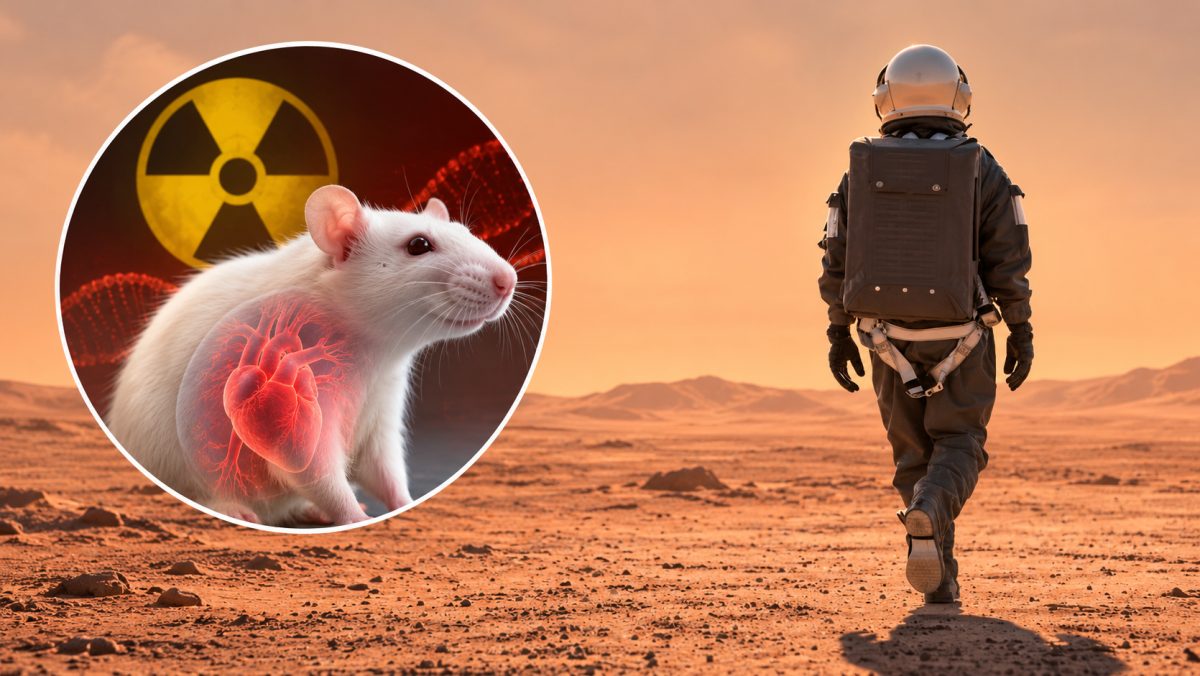

Scientists found that rats exposed to Mars-like cosmic radiation developed hidden heart damage that showed up nearly a year later.
A new study published Sept. 30, 2026, in PLOS One and reported by Live Science on Nov. 3, 2026, found that rats exposed to radiation similar to what Mars astronauts might face developed slow-building heart scarring, raising fresh concerns about Mars radiation health risks for future space travelers.
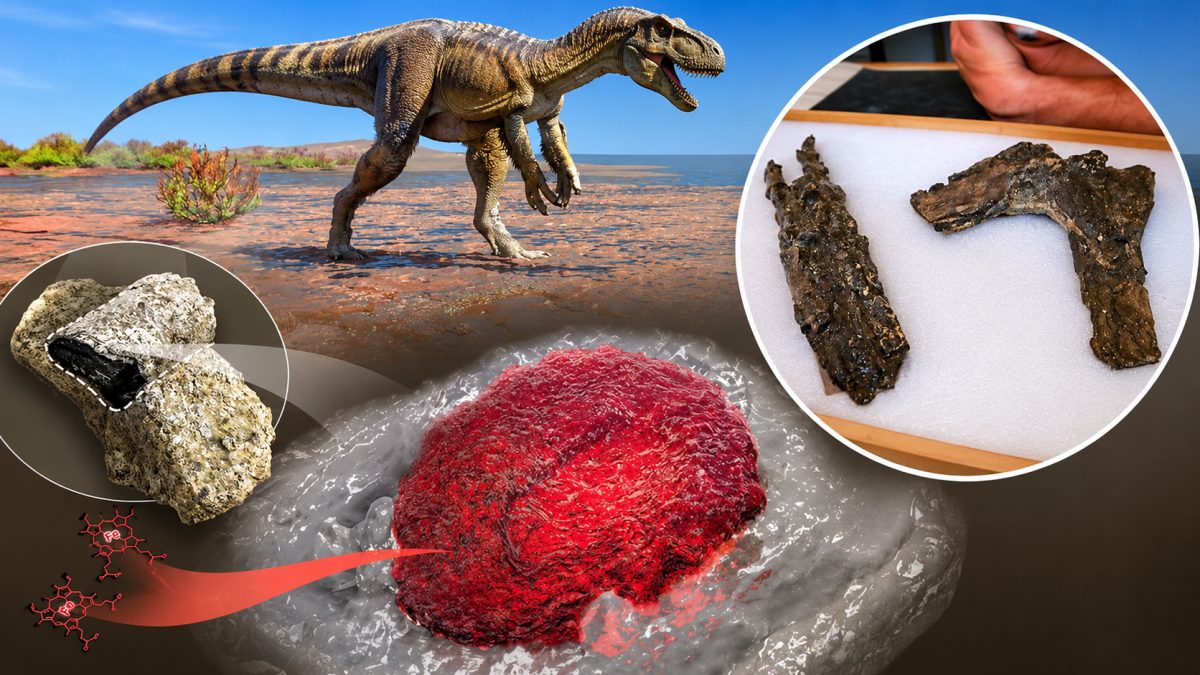
Dinosaur Blood Fossil Found in Brazil Bone Stuns Scientists Worldwide
Rat Study Reveals Mars Radiation Health Risks to the Heart
View this post on Instagram
Researchers at the Medical College of Wisconsin exposed rats to galactic cosmic radiation, the kind of high-energy particles that can pass through spacecraft walls and human tissue. These particles behave very differently from the radiation people get on Earth, and NASA has long flagged them as one of the biggest unknowns for deep-space missions. The team wanted to see what this radiation does to the heart, the immune system, and even DNA over time.
One group of rats got a dose of 0.75 gray, a level the researchers said roughly matches what an astronaut could absorb during a Mars mission. A separate group received 1.5 gray, a much higher dose used to study more severe effects. The animals also went through simulated microgravity stress. In one setup described by Phys.org, rats were unloaded for five days, blasted with radiation for just a few minutes to mimic months of real exposure, then kept with their hind legs suspended for 25 more days.
The results were striking. After 360 days, rats exposed to the Mars-relevant radiation dose had about twice as much scar tissue around small blood vessels in their hearts compared to rats that were not irradiated. This kind of scarring, called perivascular fibrosis, makes heart muscle stiffer and less able to relax, which can eventually raise the risk of heart failure.
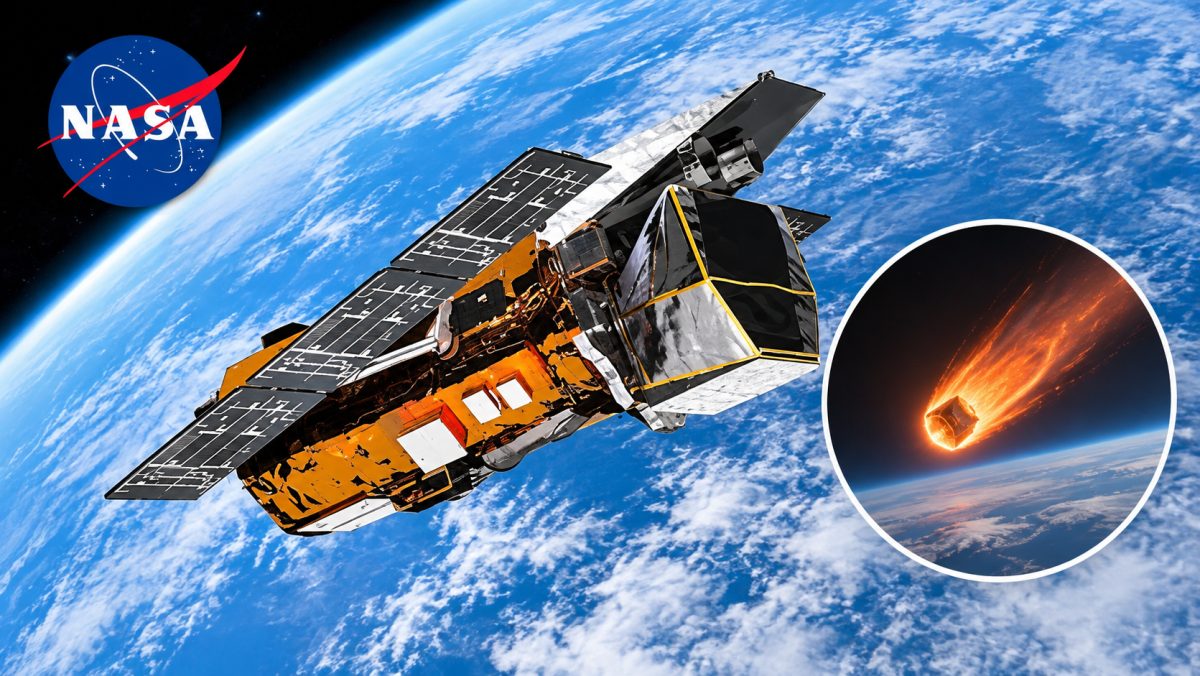
NASA Swift Telescope Reentry Set for Days After Rescue Mission Fails in Space
Heart Scarring Took Months to Show Up
What makes this study unsettling is the delay. At the lower dose meant to resemble a three-year Mars mission, the rats looked fine at first. There was no obvious heart damage right after exposure. But one year later, 83% of those same rats had developed heart scarring. That means the damage was quietly building the whole time, long after the radiation exposure itself had ended.
At the higher 1.5-gray dose, the damage showed up faster and looked worse. By 270 days, scar tissue around the coronary vessels had doubled in size. Researchers described this scarring as tight enough to squeeze blood vessels, a pattern that could raise the risk of a heart attack. Baker, one of the researchers, told Live Science that the buildup of scar tissue means the heart cannot relax properly when it needs to, which raises the odds of heart failure over time.
The Medical College of Wisconsin summarized the findings by saying the radiation astronauts could face on a Mars trip has the potential to damage the heart, but that damage only becomes visible many months after exposure. That delay is exactly what worries scientists, because astronauts could return from Mars seemingly healthy and develop problems years later.
Immune System and DNA Damage Add to the Concerns
The heart was not the only organ affected. Months after radiation exposure, the rats had lost about two-thirds of their natural killer cells in the spleen. These immune cells normally hunt down virus-infected or abnormal cells, so losing that many could leave the body more vulnerable to infections and possibly cancer.
Genome sequencing of white blood cells done 235 days after exposure found mutations that stuck around long-term, including changes linked to a condition called clonal hematopoiesis of indeterminate potential. That condition has been tied to blood cancers and heart disease in other research. Interestingly, rats that only went through simulated microgravity, without radiation, showed some recovery over time. The irradiated rats did not bounce back the same way, suggesting radiation does more than just pile on stress. It seems to interfere with the body's ability to heal itself.
Why This Matters for Future Mars Missions
Mars does not have Earth's thick atmosphere or strong magnetic field, so both the trip there and time spent on the surface would expose astronauts to much higher radiation levels than anyone experiences on Earth. A multi-year round trip means months of exposure during travel alone, even before accounting for time spent on Mars itself. Spacecraft shielding can block some radiation, but blocking all of it would require far more mass than current rockets can realistically carry.
NASA has already acknowledged that space radiation affects the body differently than radiation on Earth, and this new study adds specific, measurable evidence to that general warning. Still, it is important to be clear about what this research does and does not show. Rats are not humans, and differences in lifespan, metabolism, and heart biology mean these results cannot be directly translated into a human risk percentage. The study points to a real hazard worth worrying about, not a confirmed outcome for any future astronaut.
What Comes Next for Radiation Research
Scientists say the next step is figuring out whether these effects can be prevented, slowed, or reversed. That means testing different radiation doses and types, comparing results across different ages and both sexes, and studying whether better shielding or medical treatments could protect the heart and immune system. Long-term health monitoring after astronauts return to Earth is likely to become an even bigger part of mission planning.
There is no indication so far that this study has changed NASA's Mars mission timeline or led to any new regulations. No specific launch date, policy change, or funding decision has been tied directly to these findings. But as the idea of sending humans to Mars moves closer to reality, this kind of research is likely to keep shaping the conversation about what the human body can actually survive out there, and what astronauts might be signing up for long after they come home.