
A hotter inflation report sent Wall Street into a tailspin, and now everyone wants to know how high the Fed might go.
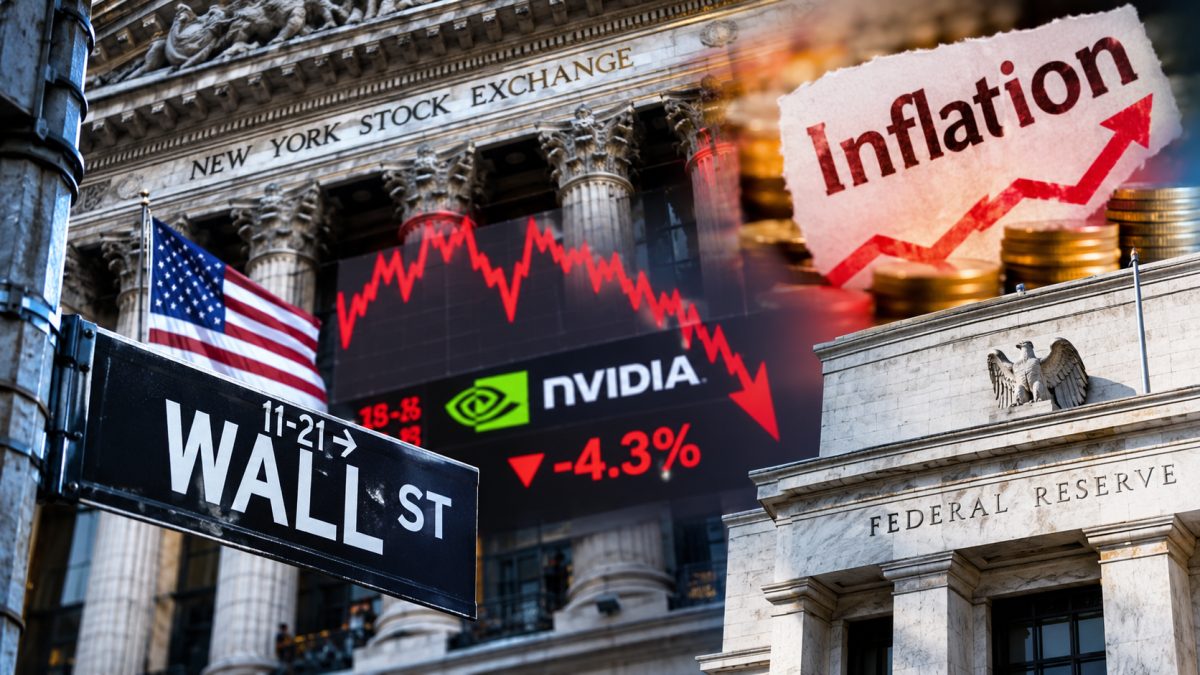
US stocks fell hot inflation hawkish Fed worries on Tuesday, November 10, 2026, after October inflation data came in stronger than expected, pushing Treasury yields higher and dragging down technology shares, with Nvidia leading the retreat on Wall Street.
October 2026 Nintendo Indie World Showcase Drops 23 Games And A Big Surprise
Hot Inflation Data Triggers Wall Street Sell-Off
The selling started right after the October consumer-price report landed. The numbers were hotter than economists had penciled in, and that single data point changed the whole conversation on trading desks. Suddenly, the idea that the Federal Reserve might be nearly done raising rates looked shaky.
Treasury yields jumped fast. The two-year yield, which tends to move with Fed expectations, climbed about 19.28 basis points to reach 4.74%. That is a big move for a single day, and it told investors that bond markets were bracing for more tightening, not less. Higher yields also make future company profits worth less today, which hit growth stocks especially hard.
US Stocks Today: Nasdaq Rebounds as Chip Stocks Recover, But Jobs Data Spooks Traders
Nvidia Tumbles Again as AI Jitters Spread
Technology stocks bore the brunt of the damage. The S&P 500's tech sector dropped more than 1%, making it the worst performer among the 11 major sectors that day. Nvidia was the biggest name hurting, falling more than 5% and losing close to 10% over two trading sessions combined.
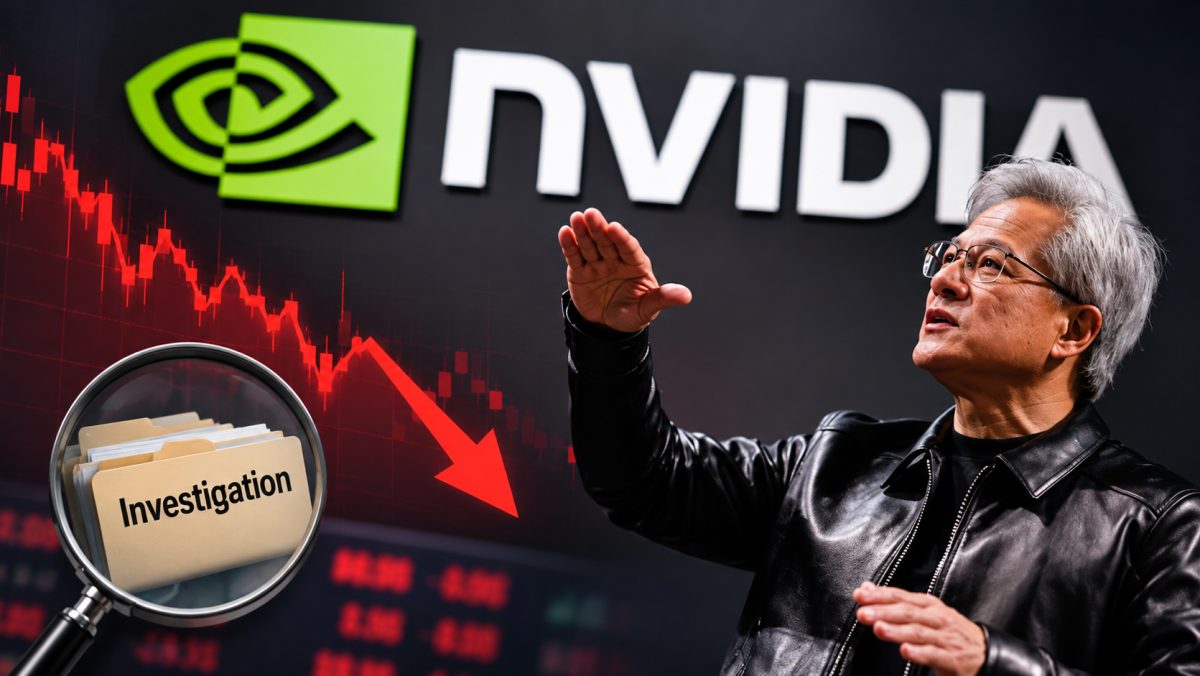
Nvidia's troubles were not just about interest rates. The company was already dealing with investor worries about sky-high AI valuations, plus reports that it was investigating its own chief executive, Jensen Huang, following claims involving a Chinese spy. On top of that, complications tied to an Ohio data-center project added more uncertainty around the stock. Anthropic's move toward a massive IPO, something that might normally excite AI investors, failed to calm nerves this time.
Fed Officials Signal December Hike May Not Be the Last Word
Before the inflation report even dropped, Fed Governor Christopher Waller had already rattled markets. He said he would back a December rate hike even if inflation cooled, and he went further, saying a bigger move could be justified. Waller put it plainly: in that case, he believed a 50 basis point hike in the policy rate should be considered at the December meeting.
Other Fed voices echoed that tone. Dallas Fed President Lorie Logan said the central bank likely needs at least two more quarter-point increases to bring inflation down, and said the Fed might need to act on them quickly. Kansas City Fed President Jeff Schmid called the current policy rate fairly accommodative, a phrase that suggested he saw room for more hikes. Fed Governor Michelle Bowman added her own warning, saying inflation looked like it was broadening and that there was more work to do on rates.
Dollar Gains While Risk Appetite Fades
As Treasury yields rose, the dollar strengthened too. Traders were resetting their bets on how aggressive the Fed might get, and a stronger dollar reflected growing confidence that US rates could stay higher for longer than many had hoped just weeks earlier. That combination, rising yields plus a firmer dollar, created a tough backdrop for stocks of all stripes, not just tech.
The broader market reaction was telling. The S&P 500 Index slipped 0.29%, and the Dow Jones Industrial Average dropped 0.44%, while the Nasdaq 100 barely moved, up just 0.04%. That split shows how unevenly the pain was distributed, with rate-sensitive growth names taking the hardest hits while other corners of the market held up better.
What Comes Next for Rates, Nvidia and AI Stocks
All eyes are now on the Fed's December 8 and 9 meeting. Markets are pricing in a real chance of a half-point hike instead of the usual quarter-point move, a scenario that would have seemed unlikely just a few weeks before this inflation report. Any fresh economic data between now and then, especially on jobs or prices, could shift those odds again.
Nvidia's next earnings report, expected roughly a week after this sell-off, will be closely watched as a test of whether AI demand can outweigh valuation fears. Anthropic's planned IPO, reportedly seeking as much as $64.4 billion and a valuation up to $1.4 trillion, will also serve as a gauge of investor appetite for AI bets. If inflation data cools in the coming weeks, some of this pressure could ease. If it does not, Wall Street may be bracing for a bumpier ride into year end.