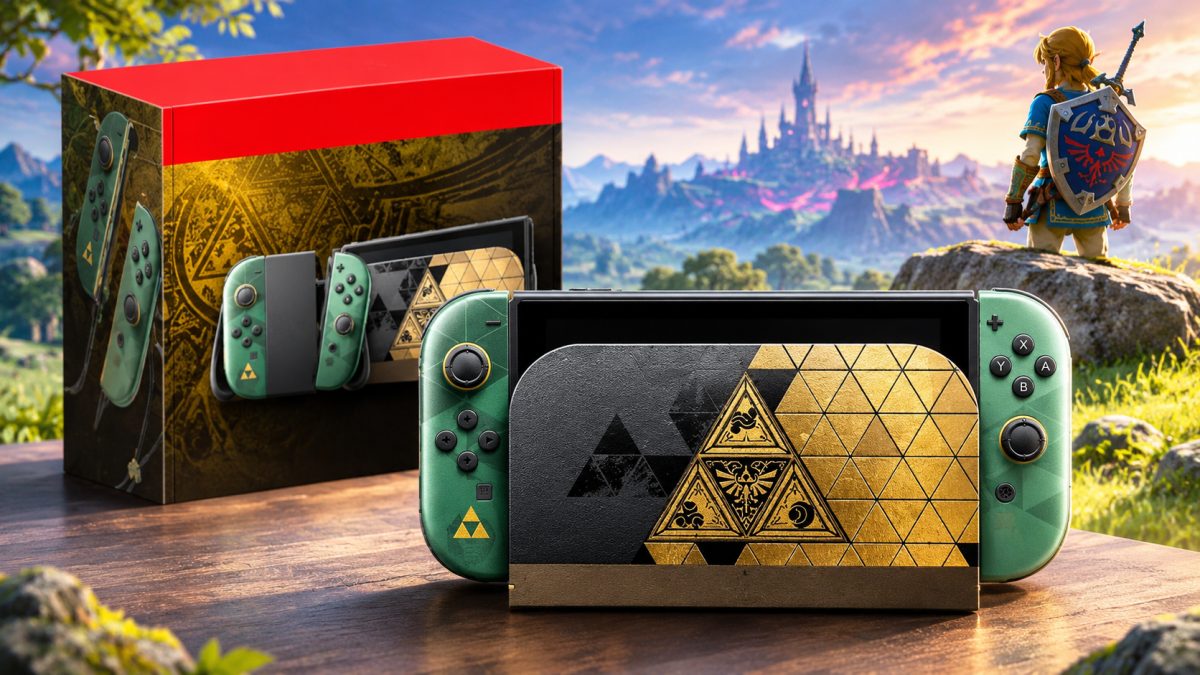

Shoppers hunting for the $519.99 Zelda-themed Switch 2 keep hitting sold-out signs, and nobody knows exactly when that will change.
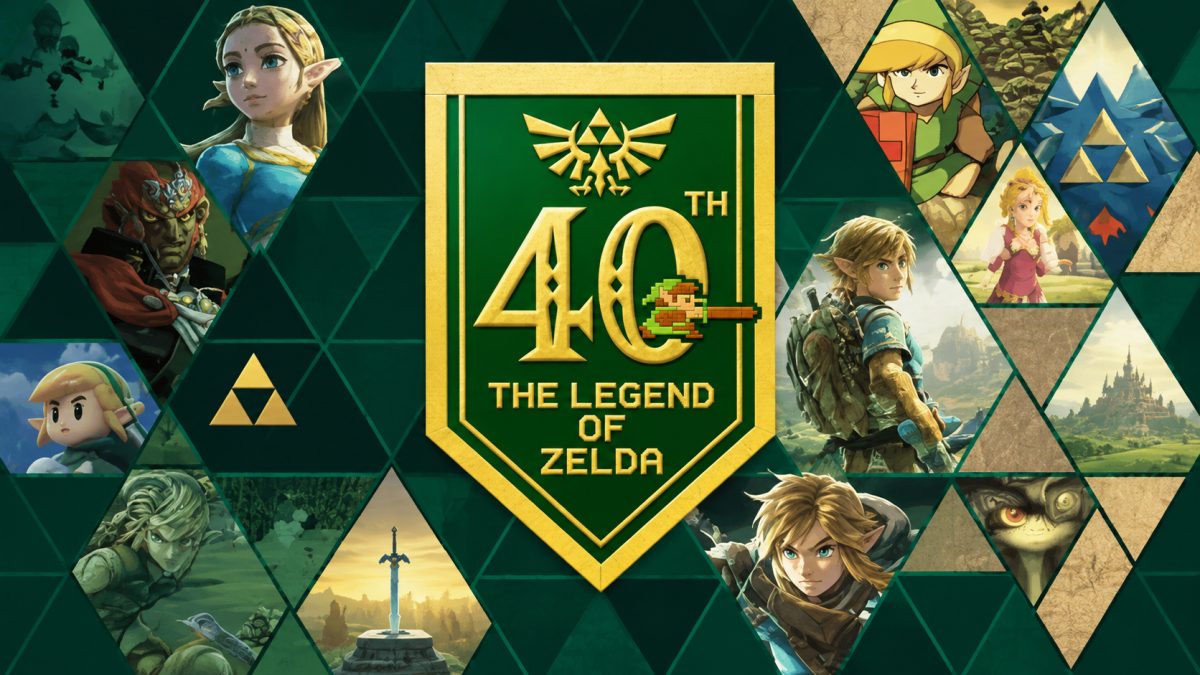
The Zelda Switch 2 restock has become one of the toughest searches in American gaming right now. Nintendo launched the Legend of Zelda 40th Anniversary Edition console on October 29, 2026, priced at $519.99, and it sold through almost everywhere within days, leaving fans refreshing Walmart, Target, Best Buy and GameStop pages with no luck.
Nintendo Switch 2 Zelda 40th Anniversary Edition Restock: Target Drop Set for Friday
How the console disappeared so fast
Nintendo, Amazon, Walmart, Target, Best Buy and GameStop all listed the console at the same $519.99 price when it launched. Within a short window, most of that stock vanished. Mashable's retailer check on November 9 found Target and Best Buy both sold out online, even though each store had run limited in-person sales earlier that week.
Target tried two separate drops to meet demand. There was an in-store release on Thursday, November 5, followed by an online drop the next day, November 6. Best Buy leaned on physical stores instead, holding midnight openings at select locations on November 5 with walk-in stock only, not a broad online restock. GameStop and Walmart were also flagged as better bets for walking into a store than refreshing a webpage.
Samsung Galaxy S27 Leak Reveals a Surprising Chip Split Fans Didn't Expect
Why the Zelda Switch 2 restock keeps stalling
Part of the shortage traces back to timing. The console arrived less than a week before The Legend of Zelda: Ocarina of Time launched on November 5, and that overlap pushed demand even higher. The game itself is sold separately, costing $60 digitally or $70 for a physical cartridge, since the anniversary console is hardware-only and does not include a copy.
A supply-chain issue also played a role. According to The Shortcut, Walmart and Target held back inventory before reopening orders on November 6, and that same report said Nintendo had acknowledged it had underestimated demand for the special-edition system. That wording should be treated as reported language rather than a full Nintendo statement, since the original release was not independently available.
Nintendo's own retail stores became one of the more reliable channels during this stretch. Nintendo New York and Nintendo San Francisco hosted in-person events tied to the console and game launch, though attendees reportedly needed a Warp Pipe Pass to get in, adding another hurdle for anyone hoping to walk away with a unit.
Strong sales numbers behind the shortage
The scarcity wasn't just frustrating for shoppers, it was great news for Nintendo's bottom line. Circana analyst Mat Piscatella shared data showing Switch 2 hardware dollar sales jumped 81% year over year in the United States during the week ending October 31, making it the system's best sales week of all of 2026. GameSpot credited that spike directly to the 40th Anniversary Edition's launch.
That sales window only captured the October 29 console debut, not the full wave of demand from the Ocarina of Time launch six days later. That means the real sales bump from the console and game combined may not show up in the data until a later reporting period.
Retailers split on how to handle demand
Each retailer picked a different strategy, which made the hunt for stock confusing for shoppers trying to track everything at once. Target and Walmart leaned on announced online order dates. Best Buy and GameStop focused on physical locations and midnight launches tied to the game's release. Nintendo's own store and in-person events rounded out the list of places fans could try.
Tom's Guide reported on November 5 that there was no active restock at that moment, though multiple retailers were still prioritizing in-store inventory over online drops. IGN's November 6 coverage backed that up, noting Best Buy's midnight openings were walk-in only, with no signs of another restock appearing right after.
What shoppers can expect going forward
No retailer had confirmed a guaranteed nationwide restock date as of November 9. The Shortcut suggested retailers might be quietly building inventory toward a bigger restock around Black Friday, but that remained speculation rather than anything Nintendo had officially announced.
For now, the most realistic approach is checking local store inventory directly instead of trusting that a live product page means stock is actually available. Calling ahead to Walmart, Best Buy or GameStop locations, watching for midnight openings, and keeping an eye on Nintendo's own store all remain the most practical options. Given how quickly past drops sold out, anyone serious about landing this console should expect short windows and fast sellouts rather than steady, predictable availability.