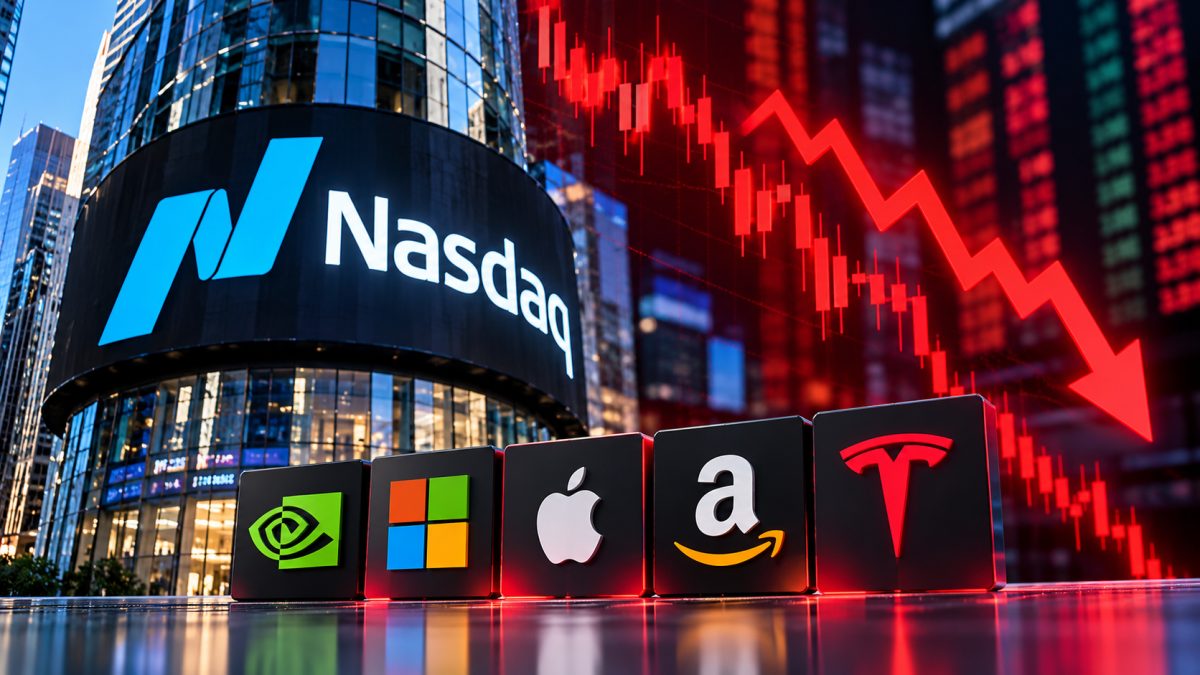

A surprise jump in gas prices rattled Wall Street and sent some of the market's biggest AI winners tumbling in a single afternoon.
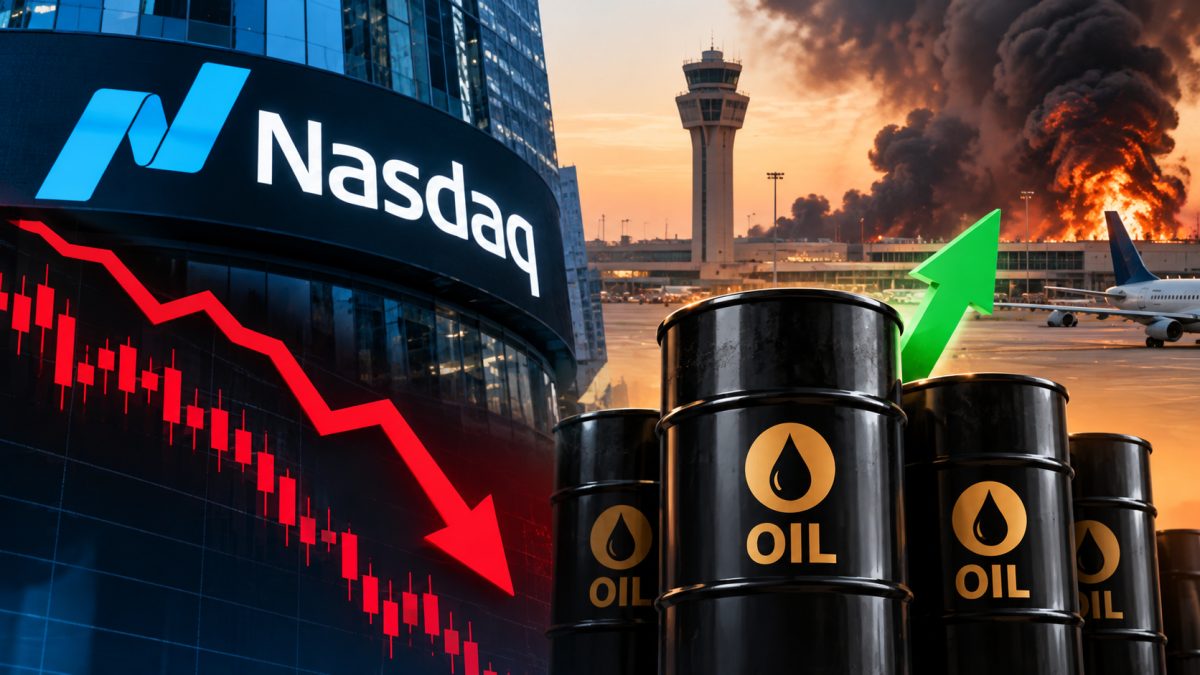
The Nasdaq ends sharply lower on hot inflation data on Wednesday, October 14, 2026, after the government reported that consumer prices rose 3.7% annually in September, well above what economists had expected. The news sparked fresh fears that the Federal Reserve might keep interest rates high for longer, and investors dumped shares of Oracle, CoreWeave, and Nebius in response.
Nasdaq Soars as Cooling Inflation Cuts Fed Rate Hike Bets, While Dow Tells a Different Story
Nasdaq Ends Sharply Lower as Inflation Data Shocks Investors
The Bureau of Labor Statistics said the Consumer Price Index climbed 0.6% in September after a 0.4% rise in August. That pushed the annual inflation rate up to 3.7%, a sharp jump from 3.4% the month before. Core CPI, which strips out food and energy, rose 0.3% for the month and 2.6% over the past year, both coming in hotter than Wall Street expected.
Traders reacted fast. The Nasdaq ends sharply lower as hot inflation data stirred new worries about where the Federal Reserve goes next with interest rates. Higher inflation numbers typically push bets toward tighter monetary policy, and that is bad news for stocks that depend on cheap borrowing and big future growth, like many artificial intelligence companies.
Oracle fell 8.8% during the session, one of its roughest days in recent memory. CoreWeave, a company tied closely to AI data-center demand, dropped about 15%. Nebius slid around 10%. All three had ridden the AI boom to strong gains earlier in the year, which made them easy targets once rate fears returned.
Nasdaq Ends Lower as Chipmakers Fall for a Fifth Straight Day on Wall Street
Gas Prices Drove the Surprise Inflation Spike
The real story behind September's number was gasoline. The BLS said the gasoline index jumped 9.1% in a single month, and that single category accounted for more than half of the entire monthly increase in consumer prices. Over the past year, gas prices are now up 34.2%, a huge jump that hits household budgets directly every time drivers fill up their tanks.
Energy overall rose 5.2% in September, and fuel oil jumped 15.3%, according to BLS data. These numbers explain why headline inflation looked so much worse than expected, even though the increase was not spread evenly across every part of the economy.
Still, the pain was not limited to the gas pump. Core inflation, which leaves out food and energy, also accelerated. Categories like recreation, used vehicles, education, airline fares, medical care, and apparel all got more expensive in September, according to the BLS breakdown. That spread is what worried investors most, because it suggested inflation pressure was not just a one-month energy blip.
Why AI and Tech Stocks Took the Hardest Hit
Technology and AI companies have been some of the best performers of 2026, but that success came with a catch. Many of these businesses are valued based on expectations of huge future profits, and some rely on heavy borrowing to fund expensive data centers and infrastructure projects. When interest rate fears rise, those future profits get discounted more heavily, and stock prices fall faster than in other sectors.
That dynamic played out clearly on October 14. Oracle, CoreWeave, and Nebius were singled out as some of the hardest-hit names once bond markets began pricing in a tougher path for the Federal Reserve. Reuters described the selloff as driven by worries about more interest rate hikes, with these AI-linked shares described as especially sensitive to higher borrowing costs.
The timing mattered too. September's report followed a calmer August reading, when inflation sat at 3.4% and monthly CPI rose only 0.4%. The jump to 3.7% represented a real change in direction, not just noise, and it arrived right as many investors had started to believe the Fed's rate-cutting path was secure.
What Comes Next for Markets and the Fed
Nobody announced a rate hike on October 14. What changed was expectations. The September CPI report simply gave traders a reason to doubt that the Federal Reserve would keep cutting rates on schedule, and markets moved accordingly. Whether that doubt turns into an actual policy shift depends on what comes next.
Economists will be watching the next CPI report closely, along with producer price data, job numbers, and any public comments from Federal Reserve officials. If gas prices cool off and core inflation slows back down, the scare could fade quickly. But if core prices keep climbing at September's pace, pressure for a tougher Fed stance could grow.
For AI companies like Oracle, CoreWeave, and Nebius, the coming weeks will test whether real business growth can outweigh higher borrowing costs. Data-center demand and AI spending have been strong all year. The question now is whether that demand is strong enough to survive a market that suddenly cares a lot more about interest rates than it did just a day earlier.