
Apple's streaming box just got smarter and pricier, but not everyone is happy with what got left out.
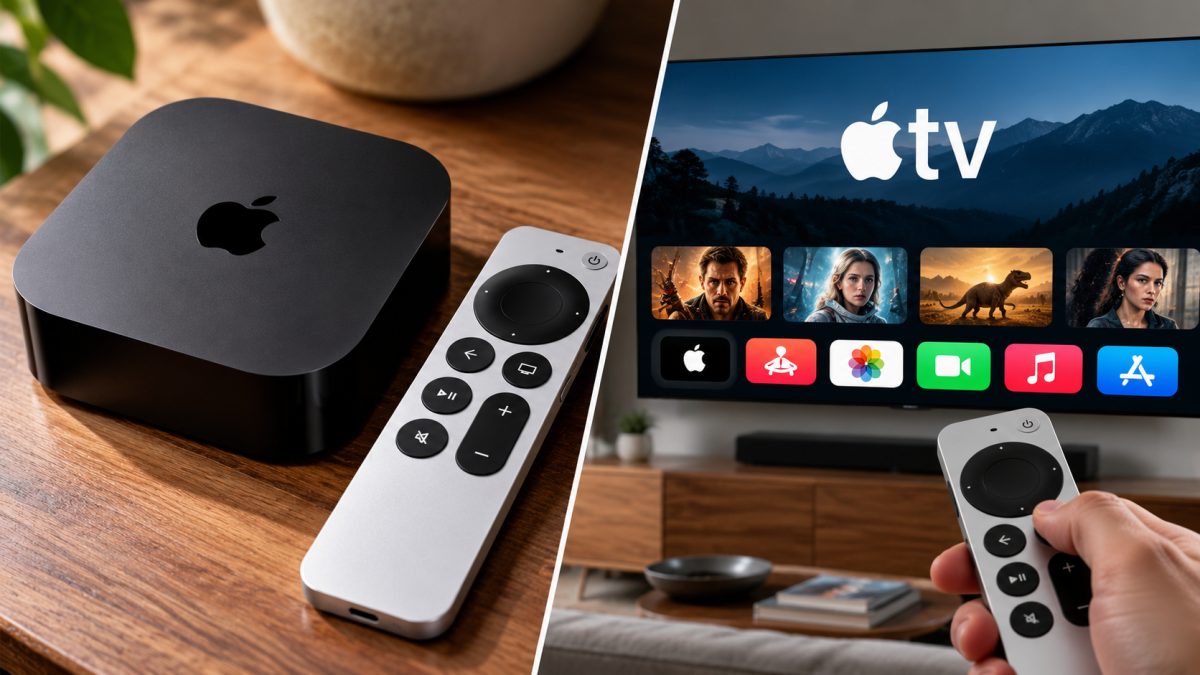
Apple unveiled the fourth-generation Apple TV 4K on Tuesday, October 13, 2026, bringing Apple Intelligence-powered Siri, a faster A19 chip, and hands-free microphones to its streaming lineup, but critics say the $299 device still skips features home-theater fans wanted most.
Apple's Switch to Safari Campaign Claims Chrome Is Slower and Less Private
What Apple Changed Inside the New Apple TV 4K
The fourth-generation Apple TV 4K now runs on Apple's A19 chip, giving it more speed than earlier models. Apple also built three far-field microphones directly into the device, so people can say "Siri" or "Hey Siri" without touching the remote or needing a nearby HomePod. That's a real shift from how the box worked before, when every voice command needed a button press.
Storage changed too. Apple dropped the old 64GB entry-level option entirely. Now there's just one configuration: 128GB, paired with Wi-Fi 7 and Gigabit Ethernet. TechCrunch reported the new box includes microphones that let users issue voice commands directly, without using the remote at all. The Siri Remote itself got an upgrade, gaining Find My support with Precision Finding so it's easier to track down when it slides between couch cushions.
Apple Code Leak Hints at iPad Mini With iPhone-Grade A20 Pro Chip and Redesigned Camera
Siri AI Takes Center Stage on Apple TV 4K
Apple's biggest pitch for the new Apple TV 4K is Siri AI. The company says it transforms how users search for, discover, and enjoy their favorite movies and TV shows, offering a richer, full-screen interface for natural-language requests. Ask for a specific kind of movie or show, and Siri AI is supposed to understand what you mean without robotic keyword searches.
There's a catch, though. Requests that involve personal context need a paired iPhone or iPad capable of running Apple Intelligence. And Siri AI isn't exclusive to the new box. Apple confirmed it's rolling out as a beta on the Apple TV 4K second generation and later models, which means plenty of existing owners can get the main software upgrade without buying new hardware. Initial availability covers the United States, Australia, Canada, India, New Zealand, Singapore, South Africa, and the United Kingdom, all in English.
The Verge Says Apple Left Something on the Table
Not everyone is impressed. The Verge published a critique on October 14, arguing that Apple missed an opportunity with the Apple TV 4K. The publication's framing was blunt: the new streaming box carries a premium price tag but doesn't add the home-theater features enthusiasts had been hoping for. The core argument isn't that Apple built a bad product. It's that Apple had a real chance to make this the ultimate living-room centerpiece and stopped short.
That criticism lands harder because of the price change. At $299, with no cheaper storage tier available anymore, the Apple TV 4K now costs more than many competing streaming devices on the market. For someone who just wants to stream shows without diving deeper into Apple's ecosystem, that's a tougher sell than it used to be.
How HomePod mini 2 Fits Into the Bigger Picture
Apple didn't launch the new Apple TV 4K alone. It arrived alongside the second-generation HomePod mini and a new smart-home display called HomeView, all part of what Apple is treating as a coordinated push into the connected home. When paired with the new Apple TV 4K, two sets of HomePod mini 2 speakers can form a four-speaker surround sound setup, with speakers positioned front and rear. Apple describes this as its most immersive home theater experience yet.
But that setup isn't cheap either. Each HomePod mini 2 costs $149 in the United States, meaning a full four-speaker arrangement adds hundreds of dollars on top of the Apple TV 4K itself. HomePod mini 2 becomes available October 30, ahead of the Apple TV 4K and HomeView, which both launch November 13. For shoppers chasing Apple's full home-theater vision, the total cost climbs quickly.
Why the Delay Behind Siri AI Matters Here
Part of the story behind this launch is timing. TechCrunch reported that Apple had reportedly hoped to release a new Apple TV earlier, possibly in 2024, but delays tied to AI-powered Siri pushed back new home products. That history helps explain why this release feels less like a routine hardware refresh and more like the long-awaited debut of Apple's AI ambitions finally reaching the living room.
Going forward, the real test is whether buyers see hands-free Siri and smarter search as enough reason to pay $299, especially since older Apple TV 4K models get much of the same Siri AI software through a beta update. Apple is clearly betting that its connected ecosystem, tying together Apple TV, HomePod mini 2, and HomeView, will feel more valuable as a whole. Whether everyday customers agree, or side with The Verge's take that something got missed, will likely shape how this device is remembered once the November 13 launch date arrives.