
Controllers get more money, but now they have to prove they actually stayed until the end of their shift.
The Federal Aviation Administration and the National Air Traffic Controllers Association announced on Friday, October 16, 2026, a deal giving U.S. air traffic controllers a 2.8% pay raise, paired with new rules requiring them to badge in and out of work after a deadly LaGuardia Airport accident exposed a practice of leaving shifts early.
Prem Watsa IDBI Bank Deal: Why Fairfax Just Paid $5.6 Billion for Control
What the FAA and NATCA Agreed To
The agreement gives thousands of controllers a 2.8% salary increase, retroactive to January 1, 2026, with the new pay rate kicking in on October 18. The raise was authorized by Congress as part of a broader $140 million pay package, but lawmakers made clear that controllers would only get the full amount if the FAA could show real workforce reforms. Controllers had already banked a 1% bump earlier, so this deal unlocks the rest of the money.
The headline change is simple to understand. Controllers now have to badge in when they arrive and badge out when they leave, creating a paper trail that didn't really exist before. That might sound like a small bureaucratic detail, but it strikes directly at a practice the aviation world calls an early shove, where a controller clocks out before their shift technically ends, often because a mandatory break happens to land right at the end of the workday.
Prem Watsa IDBI Bank Deal: Why Fairfax Just Paid $5.6 Billion for Control
Air Traffic Controllers 2.8% Pay Raise Tied to LaGuardia Fallout
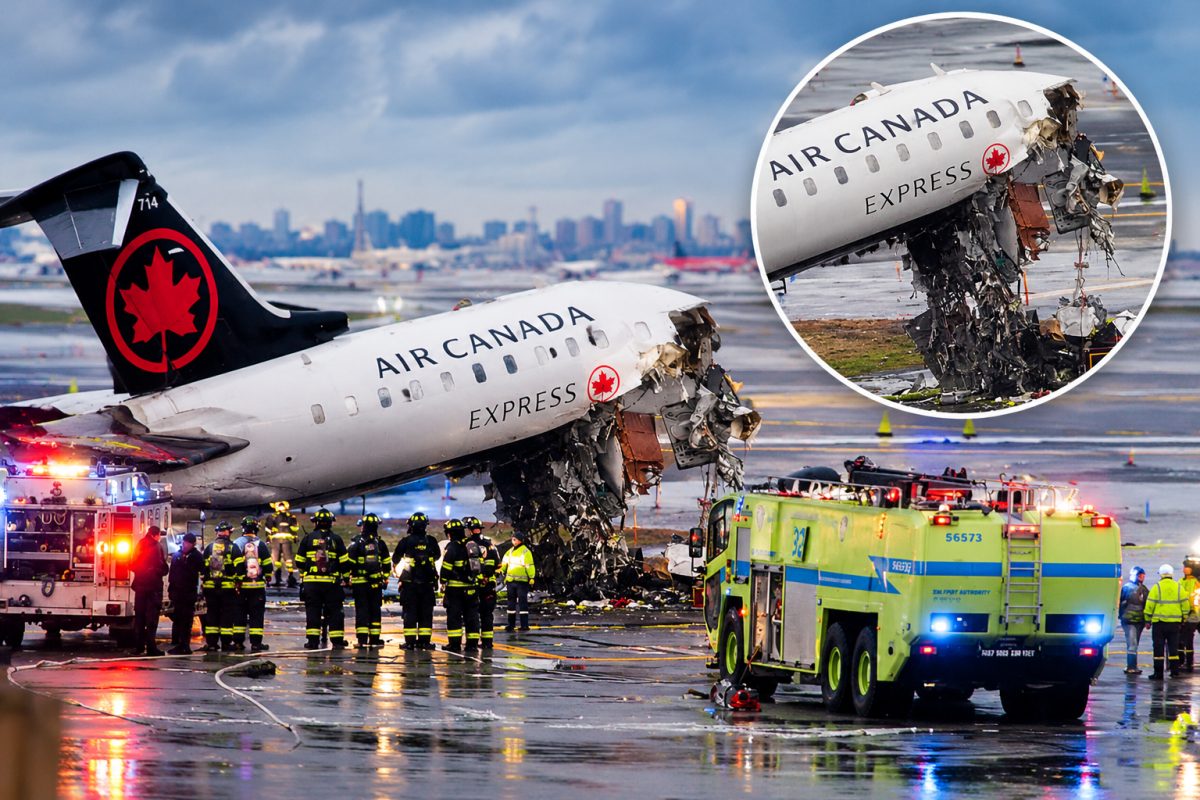
This whole deal didn't come out of nowhere. Earlier in 2026, a fatal accident at LaGuardia Airport in New York put a spotlight on staffing gaps and who was actually in the control tower when it mattered most. Reporting later revealed that two LaGuardia controllers had left work early before the crash and are now facing possible discipline over it.
Retired aviation officials told reporters that early shoves are not some rare shortcut. They said it's a common habit at facilities across the country, especially when a required break sits at the tail end of a shift. But once a fatal accident entered the picture, that long-standing custom suddenly became a much bigger problem for regulators and lawmakers alike.
A transportation official put the government's position bluntly: "None of that excuses the issue about when you get paid for eight hours, you're supposed to be there for eight hours. Seven and a half doesn't count." That line captures exactly why the badge-in, badge-out requirement became the centerpiece of the new agreement rather than just a side note.
Workforce Reforms Beyond the Pay Bump
The air traffic controllers 2.8% pay raise isn't just about a bigger paycheck. Transportation Secretary Sean P. Duffy's department said the deal also reshapes how shifts get built in the first place. Local managers and union reps are now expected to design shift schedules around expected workload, not just tradition or convenience, with a specific goal of maximizing coverage during the busiest traffic hours.
The agreement also promises improvements to how the FAA reassigns controllers between facilities, a process that has been criticized as slow and inflexible. The idea is to match staffing levels with actual demand, so busy airports aren't left thin during peak periods while other facilities might have more coverage than they need.
NATCA agreed to these changes as part of the deal, which suggests the union saw the badge tracking and scheduling reforms as an acceptable trade-off for locking in the full pay raise. There's no detailed public statement yet from individual union leaders explaining exactly how members feel about the new tracking requirement, so it's worth watching how that plays out once the system is actually running.
What Comes Next for Controllers and the FAA
The immediate milestone is October 18, when the 2.8% raise officially takes effect, with back pay flowing to controllers for the months since January 1. After that, the real test begins. The FAA has to actually build out the badge tracking system, retrain managers on workload-based scheduling, and prove that reassignment procedures work better than before.
The disciplinary cases involving the two LaGuardia controllers will likely stay in the headlines, since they're the clearest real-world example of why this deal exists. How the FAA handles those cases could set a tone for how strictly the new badge rules get enforced everywhere else.
Why This Deal Matters Beyond the Paycheck
At its core, this agreement tries to solve two problems at once: controllers wanted fair pay, and regulators wanted accountability after a tragedy exposed a gap in oversight. Tying the two together through legislation forced both sides to the table in a way that a simple wage negotiation might not have.
Whether badge-in, badge-out tracking actually ends the early shove practice nationwide remains to be seen. But for now, the message from Washington is clear. A scheduled shift means a full shift, and controllers who get paid for eight hours are expected to be on the job for all eight.