
James McAvoy just admitted his biggest paydays don't come from the movies you'd expect.
James McAvoy says there is only one movie in his whole career that keeps sending him real, steady money long after it left theaters. Speaking on Josh Horowitz's Happy Sad Confused podcast, published October 15, 2026, McAvoy named M. Night Shyamalan's 2016 thriller Split as the one film that pays him with any consistency, while checks from his other movies are often so small they barely cover the cost of a stamp.
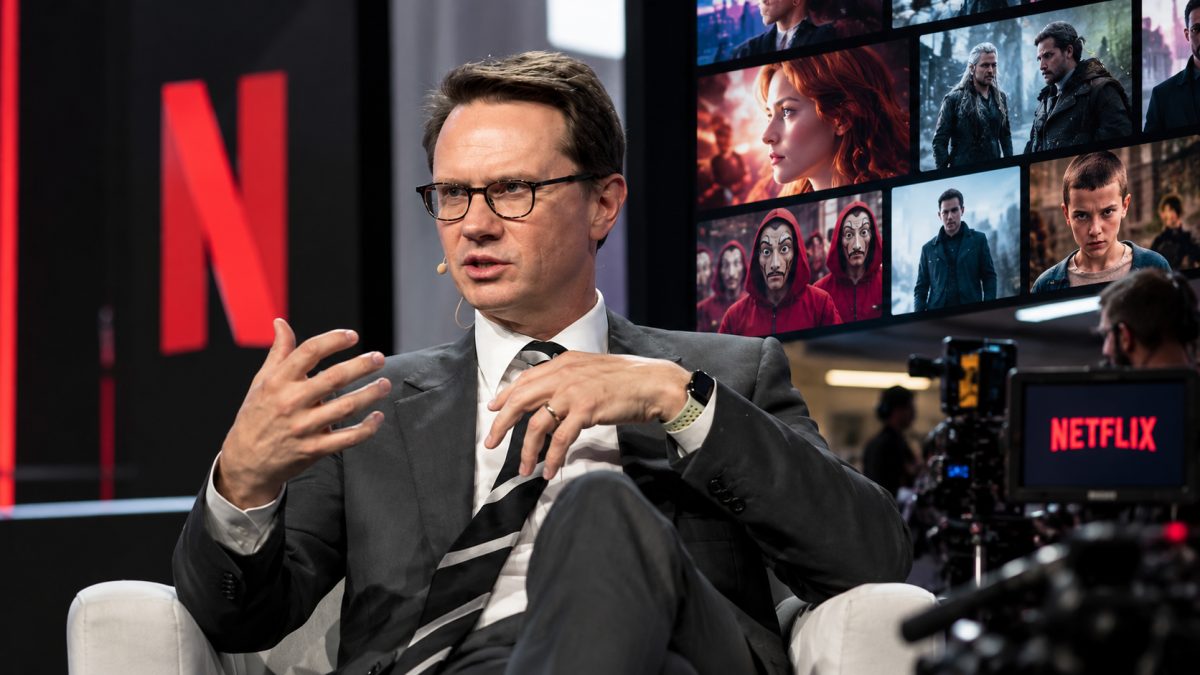
Peter Rice Netflix Chief Content Officer Pick Signals a Big Culture Shift
James McAvoy Split Residuals Explained in His Own Words
James McAvoy reveal that he still gets residuals from SPLIT (2017): “I think it was made for like $6 million… they spent 30 advertising it. In our first weekend, we made 40, so we were in profit. Our first residual check came at the end of the first weekend. It was bonkers.” https://t.co/O9LpxSZVvR
— James McAvoy Daily (@mcavoyfiles) October 15, 2026
McAvoy did not hold back when describing how strange the residual system can feel from an actor's point of view. He told Horowitz that most of his films send him money rarely, and when they do, the amount is almost laughable. "You get the odd check for, you know, a couple 100 quid here," he said, using the British slang for pounds. He then described even smaller payments, saying some checks come in at just 25 cents, joking that mailing the check probably costs more than the check itself.
Then came the exception. "But the only one that really consistently pays me is Split," McAvoy said. That single sentence is why entertainment outlets picked up the story so fast. Here is an actor with decades of major franchise work, acclaimed dramas, and blockbuster credits, pointing to one mid-budget psychological thriller as his most dependable source of long-term income.
Jenna Ortega on Klara and the Sun: Why She Wants Fans to Ditch Their Phones
The Math Behind Split's Fast Profit
McAvoy walked through the numbers as he remembered them, and they help explain why Split behaves so differently from his other films. He recalled the production budget sitting around $6 million, with roughly $30 million spent on marketing. The film then opened to about $40 million in its first weekend alone. By his own rough math, that meant the movie was already profitable almost immediately.
"So our first residual check came at the end of the first weekend," McAvoy said. "It was bonkers." It's worth noting these figures come from McAvoy's memory during a casual podcast chat, not from an official studio financial report. Opening weekend box office totals also aren't the same thing as net profit, since theaters keep a cut of ticket sales and distribution costs vary. Still, his larger point stands: a low-cost film that earns big, fast, can create a much friendlier residual structure than a movie with a bloated budget and complicated profit participation deals.
Why Bigger Movies Don't Always Mean Bigger Checks
This is the part that surprises a lot of fans. McAvoy has starred in massive franchise films like the X-Men series, plus acclaimed work in movies like Atonement and more recent projects like Speak No Evil. Yet none of those, according to his comments, generate the kind of steady residual income that Split does.
The explanation comes down to how residuals actually work. Payments to actors for reuse of a film, whether through streaming, cable airings, home video, or other secondary markets, depend heavily on contract terms, union agreements, and how a studio calculates profit. A film can be huge culturally and still produce thin residual checks if its budget was enormous, its marketing spend was massive, or its ownership structure routes most profit elsewhere before actors see a share. A smaller film with a lean budget and fast box office return, like Split, can clear that bar much faster and more reliably.
Public Reaction and What It Reveals About Hollywood Pay
McAvoy wasn't complaining or threatening any kind of dispute when he shared this. His tone throughout the interview was lighthearted, more amused than frustrated, and he wasn't pointing fingers at studios or claiming he'd been shortchanged. He was simply laying out, in plain terms, how unpredictable residual income can be for even a well-known actor.
That honesty is exactly why the story spread so quickly across entertainment coverage. It pulls back the curtain on something fans rarely think about: that a famous face in a hit movie doesn't automatically mean steady paychecks years later. Reports following the podcast episode have focused on that contrast, noting that McAvoy's fame and his financial reality from older films don't always match up the way people might assume.
No Studio Statement, but a Clear Industry Lesson
No studio, distributor, or union has issued a separate statement confirming the exact dollar amounts McAvoy mentioned, and he did not reveal a specific figure for what his Split residual checks actually total. There is also no indication of any sequel news, legal action, or contract renegotiation tied to his comments.
What the interview does offer is a rare, grounded look at how film economics trickle down to the people on screen. McAvoy's story shows that a tight budget paired with a strong opening weekend can sometimes beat a giant blockbuster when it comes to long-term, reliable income. For now, Split remains the one title on his resume that keeps the checks coming, however unpredictable the rest of his filmography might be.