
Wall Street bet big that a new Congress would finally give booze makers a break from Washington's toughest policies.
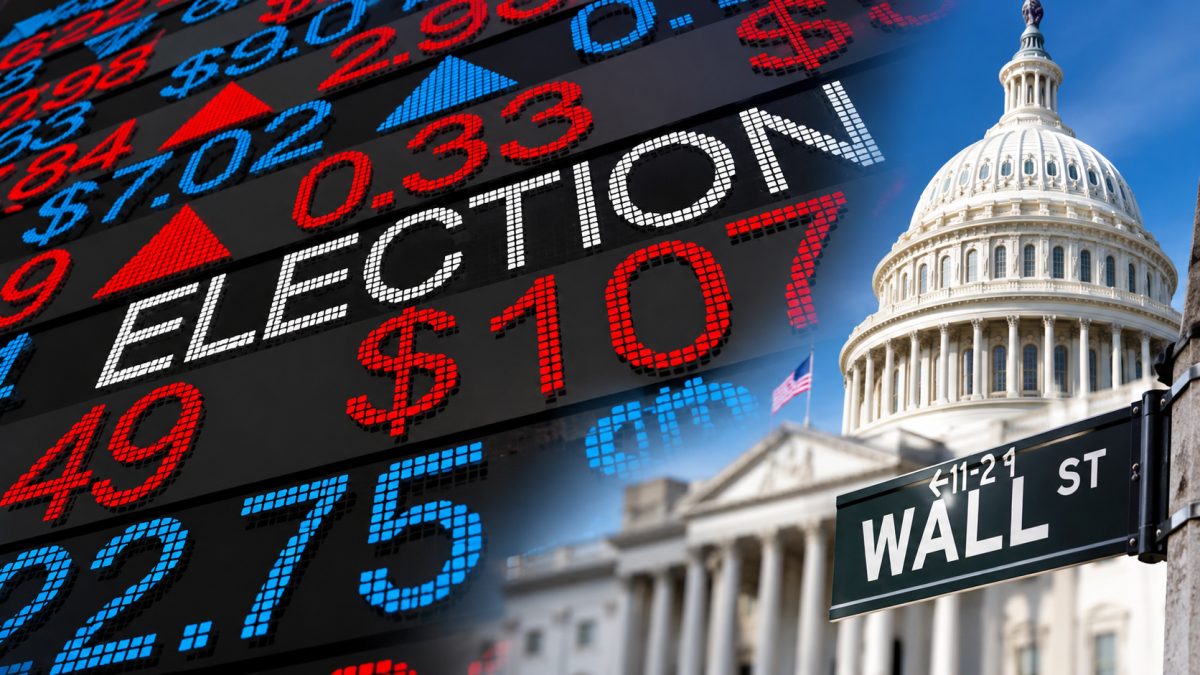
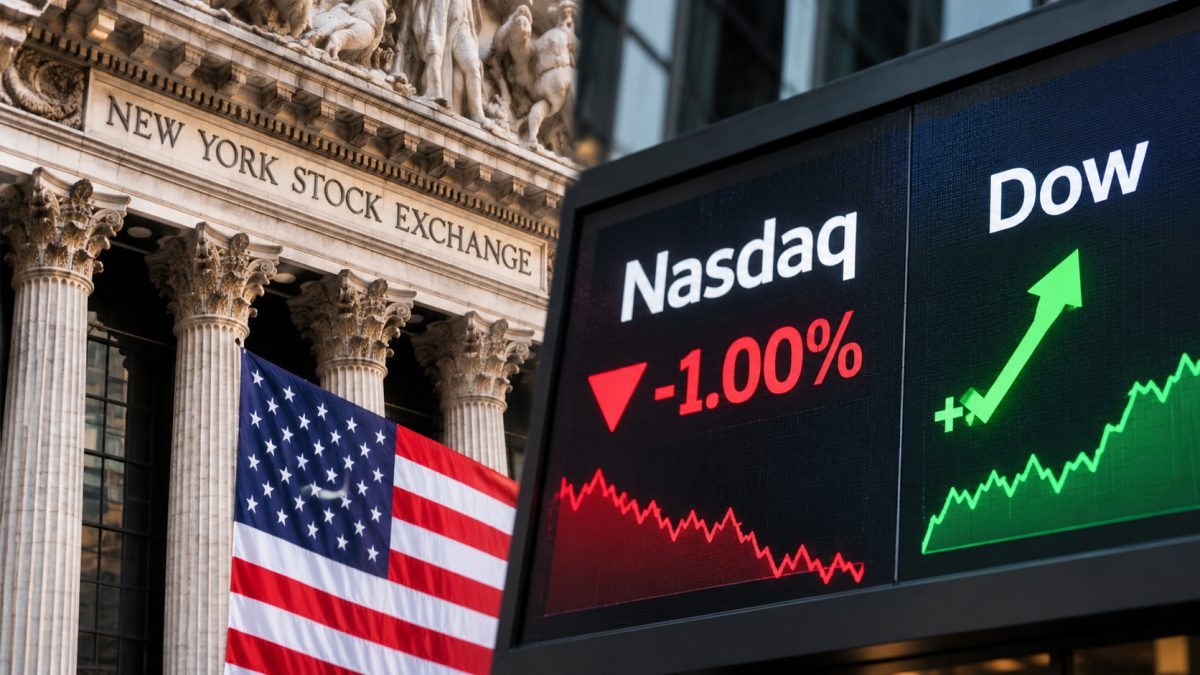
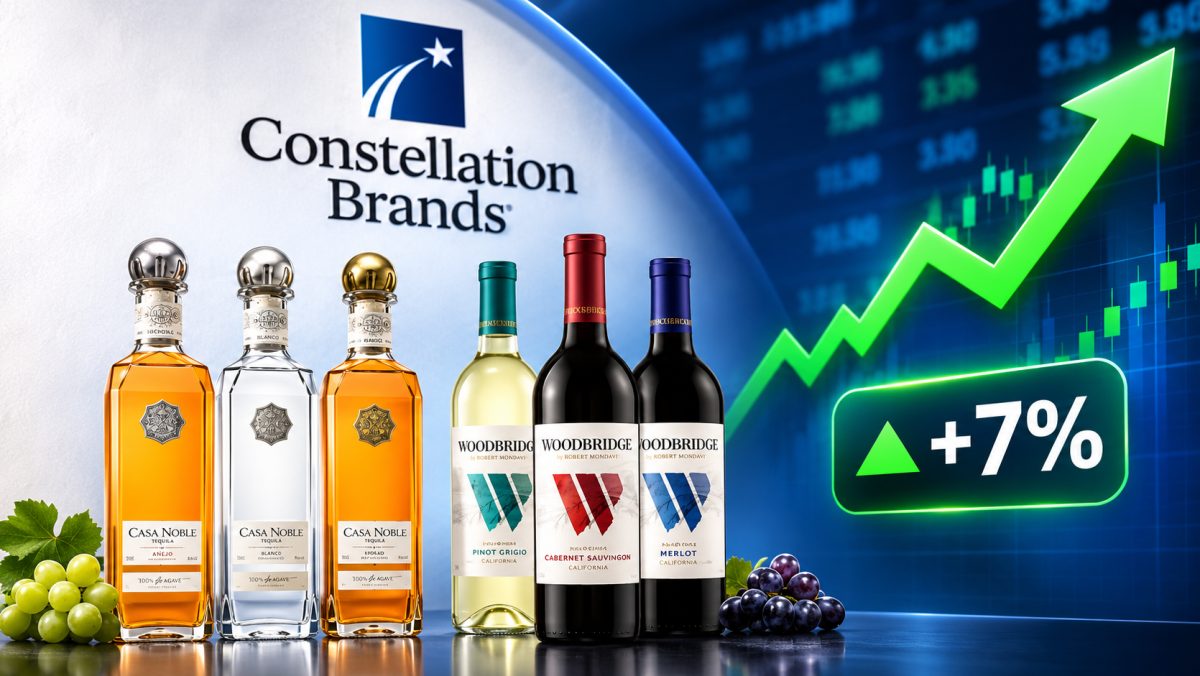
Alcohol stocks blue wave gains swept Wall Street on Wednesday, November 4, 2026, one day after Democrats won majorities in the House and Senate. Constellation Brands, the maker of Modelo and Corona, jumped as much as 7.4%, its best day since April, as investors bet a new Congress would push back on President Trump's immigration and trade policies.
Moderna Merck Cancer Vaccine Results Cut Risk 42%, So Why Did Stock Crash?
Alcohol Stocks Blue Wave Rally Lifts Entire Sector
The rally wasn't limited to one company. Boston Beer, Brown-Forman and Molson Coors all climbed alongside Constellation Brands on Wednesday, showing that traders saw the midterm results as good news for the whole alcohol industry, not just one winner. That's a signal that the market read Tuesday's vote as a broad political shift, not a one-off earnings surprise.
Constellation Brands grabbed the most attention. The company's Modelo and Corona beers are especially popular with Hispanic consumers in the United States, and investors think a Democratic-controlled Congress could soften immigration enforcement that has rattled the company's workforce and customer base. No actual policy has changed yet. This is a bet on what might happen next, not a done deal.
Commercial LPG Price Hike November 2026: Cylinder Now Costs ₹2,820
Brown-Forman Bet Centers on Jack Daniel's and Canada
Brown-Forman's gain tells a different story, one centered almost entirely on Canada. The Jack Daniel's and Woodford Reserve maker has been mostly locked out of Canadian liquor stores after provinces pulled U.S. alcohol brands off shelves in response to President Trump's tariffs on Canadian goods. Investors are hoping a new Congress could help cool down that trade fight, even though Congress alone can't force Canadian provinces to restock American whiskey.
The damage from that standoff has been steep. Data from the Distilled Spirits Council of the United States shows U.S. spirits sales to Canada collapsed by 70%, falling from $232 million to just $72 million after provinces largely removed American products in 2025. TD Cowen analyst Seamus Cassidy said a thaw in that relationship would still be meaningful for Brown-Forman, since the company has effectively been shut out of a major market.
Falling Demand and Shrinking Exports Cloud the Picture
The timing of this rally is interesting, because it's happening while the alcohol industry faces its weakest demand numbers in years. A 2025 Gallup survey found only 54% of Americans said they drink alcohol at all, the lowest number ever recorded in that survey. More than half of Americans, 53%, now say even moderate drinking is unhealthy. That's a big shift in how people think about booze, and it's not something a friendly Congress can fix.
Exports are sliding too. U.S. spirits exports hit a record $2.4 billion in 2024, but dropped 3.8% to $2.37 billion in 2025. Tariffs and retaliation are a big part of that story. The Distilled Spirits Council has been pushing hard for what it calls permanent zero-for-zero tariffs, meaning the U.S. and its trading partners would drop spirits tariffs completely on both sides.
Industry Pushes for Zero Tariffs While Markets Look Ahead
The Spirits Business reported that U.S. spirits exports grew from about $478 million in 2000 to $2.37 billion in 2025, proof that open trade has historically helped the industry grow. Exports jumped nearly 60% during a stretch when tariffs were suspended, mostly under the Biden administration, giving the industry's zero-tariff argument some real weight. That's the case DISCUS has been making to the Trump administration throughout October 2026, right before this election rally hit.
Still, nobody in the industry is popping champagne just yet, so to speak. The stock jump reflects hope, not a confirmed policy win. President Trump hasn't announced any tariff changes. Congress hasn't passed any immigration reform. Canadian provinces haven't put American brands back on their shelves. All of that remains to be seen, and investors know it.
What Comes Next for Alcohol Companies and Investors
The real test will be whether the new Congress can actually turn hope into action. Watch for any movement on tariffs, especially anything that could restore U.S. spirits sales to Canada, and any shift in immigration enforcement that might ease pressure on companies like Constellation Brands. A formal trade deal or tariff rollback would matter far more to these stocks than election-night optimism alone.
Even if Washington delivers on trade, the industry still has to deal with Americans drinking less and worrying more about their health. That means alcohol stocks could keep a political risk premium for now, but real, lasting growth depends on two things coming together: friendlier trade rules abroad and steadier demand at home. Right now, only one of those looks like it might be improving.