
Putin says the bridge attacks changed everything, and now there's no room left for talks.
Russian President Vladimir Putin said on November 19, 2026, that Russia will not negotiate a limited ceasefire with Ukraine after Ukrainian forces struck the Kerch Strait Bridge three times in one week. He made the comments to reporters in Shenzhen, China, right after meeting with U.S. President Donald Trump and Chinese President Xi Jinping.
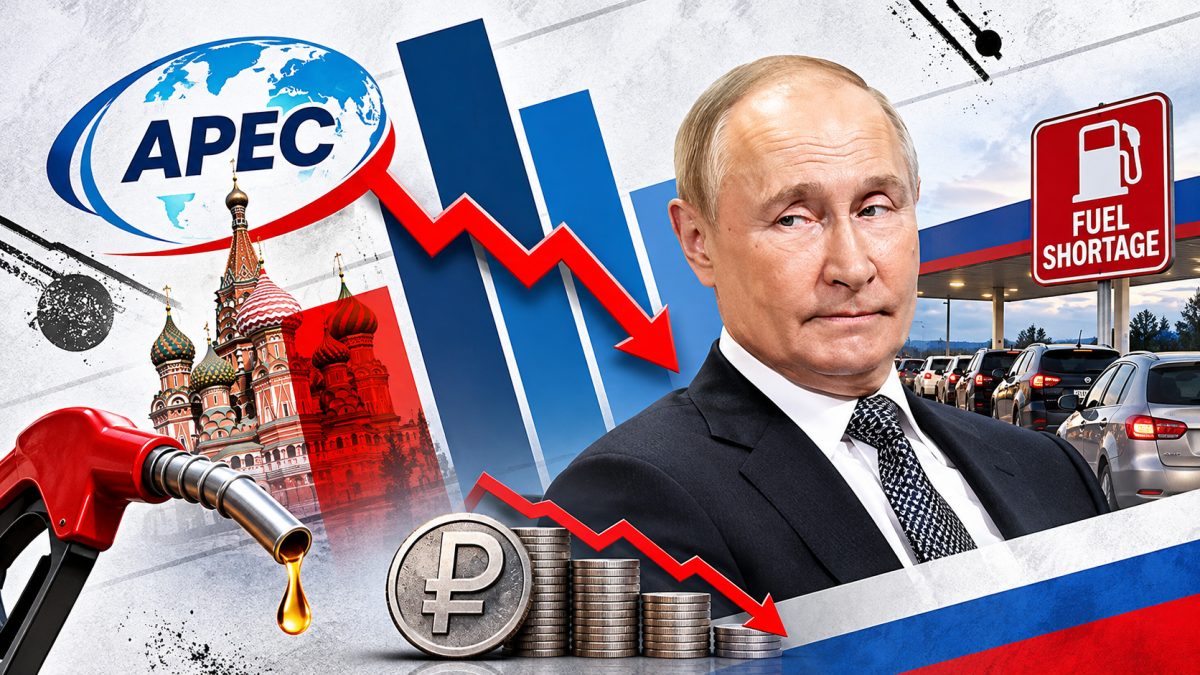
Putin's APEC Economy Boast Hits Reality as Russia Faces Fuel Crisis
Putin Ukraine Ceasefire Bridge Strike Comments Shut Down Talks
Putin told reporters that Russia had actually been weighing narrow ceasefire ideas before the latest bridge strike. These included stopping naval attacks and pausing strikes on energy infrastructure. But he said that door is now closed. According to CBS News, citing Russian state media, Putin said, "Honestly, I discussed the issue with my colleagues at the Security Council, and I asked them to think about it and go back to the issue, so that we could reach some agreements."
He followed that up with a much harder line. "However, we will not make agreements after strikes on the Crimean Bridge. We will respond to these strikes," Putin said. A separate report carried by the Philadelphia Inquirer quoted him saying, "After these strikes on the Crimean Bridge, we will not be negotiating." Those two quotes together make his position pretty clear. The bridge attacks, in his view, erased any chance of even a partial truce.
Russia Demands NATO Pull Back in Eastern Europe as Price for Ukraine Peace
Third Strike In A Week Pushes Crimea Bridge Standoff Further
The Kerch Bridge connects Russia's Krasnodar region to Russia-occupied Crimea, which Moscow annexed in 2014. Most of the world still considers Crimea part of Ukraine under illegal occupation. The bridge opened in 2018 and has long served as a key supply route for Russian forces and a powerful symbol of Moscow's grip on the peninsula.
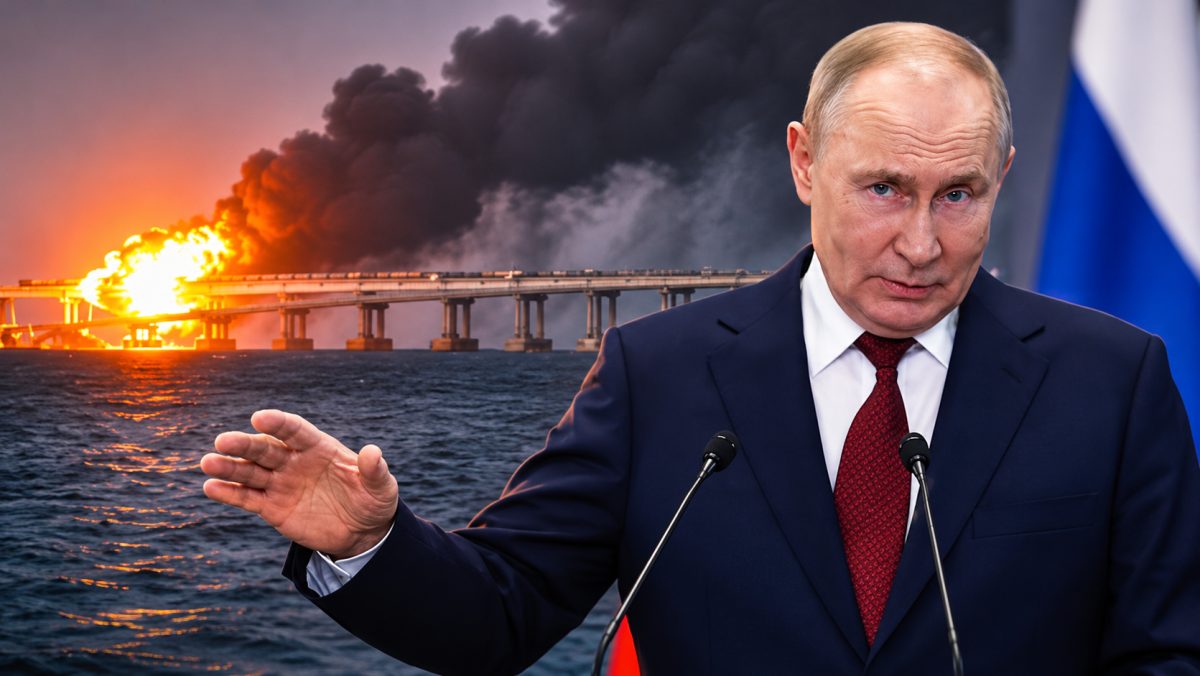
Ukrainian forces hit the bridge on the night of November 17 for the second straight day, according to the Institute for the Study of War. That strike caused the complete collapse of the vehicle lanes and serious damage to the railway section. Russia's Transport Ministry halted all rail and road traffic right after, later allowing limited train service on one track. Then on November 19, a third strike hit the bridge, forcing officials to suspend traffic again.
Ukrainian President Volodymyr Zelensky said Ukrainian forces used several different weapons in the operation. He reportedly said Palianytsia drones hit the road section, while Neptune, Ruta, and FP-5 Flamingo cruise missiles targeted the railway side. These are statements from Ukrainian officials, not independently confirmed battle damage reports, so they should be read as claims rather than settled fact.
Retaliation Warning Adds New Risk To Crimean Bridge Ceasefire Talks
Putin didn't just rule out talks. He promised Russia would hit back hard. He said the response would be "far more painful than what the Kyiv regime has done to the bridge," according to the Philadelphia Inquirer's report. Bloomberg quoted him more simply saying, "We will respond," after the trilateral summit with Trump and Xi wrapped up in Shenzhen.
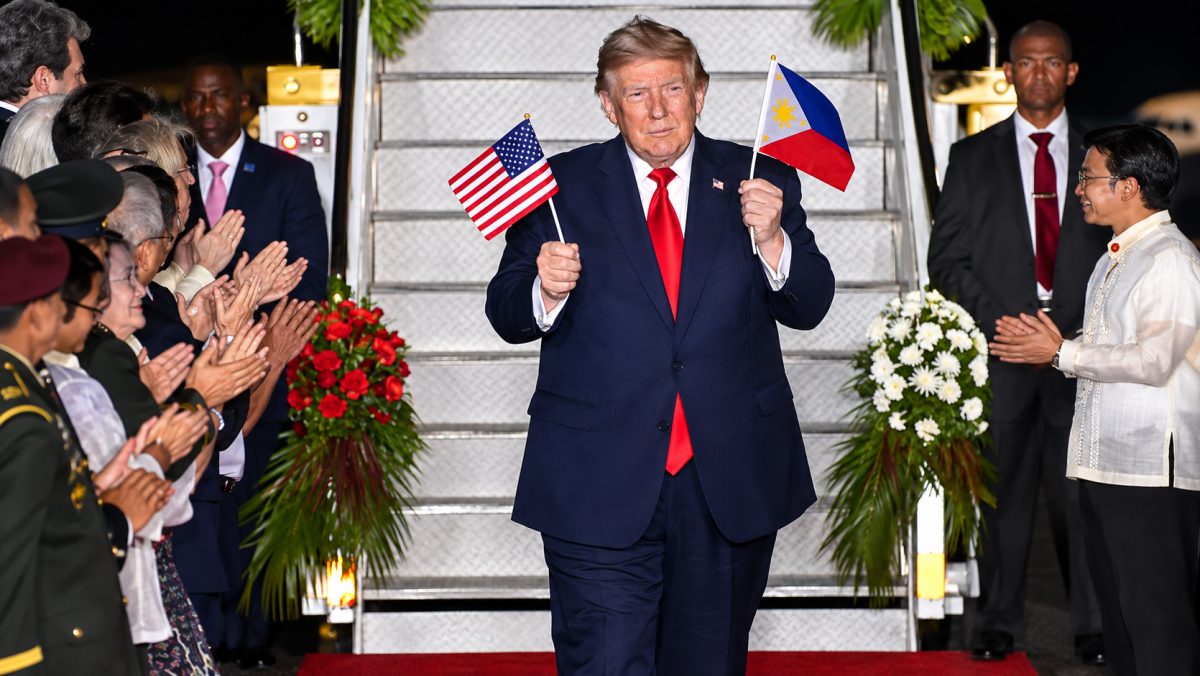
That warning lands at a sensitive moment. Trump's administration has been pushing to end or shrink the war, and this episode is already being described as a setback for that effort. Having Trump and Xi both present when Putin made these comments gave the moment extra weight on the world stage. It showed, in real time, how a single military strike can blow up months of quiet diplomatic groundwork.
Why The Bridge Matters So Much To Both Sides
For Ukraine, hitting the bridge sends a clear message. It proves Kyiv can still reach deep into territory Russia considers untouchable. It also disrupts a transport line Russia depends on to move troops, equipment, and supplies into Crimea. Every successful strike chips away at the idea that the bridge is a permanent, secure link between Russian soil and the peninsula.
For Russia, the attacks are more than battlefield setbacks. They hit a national symbol tied directly to the 2014 annexation. That's likely why Putin responded the way he did, treating this as a breach that demands punishment rather than just another military exchange. By rejecting even a narrow ceasefire covering shipping lanes or energy sites, he tied the bridge attacks to the entire negotiating track, not just the war's naval or energy dimensions.
What Comes Next For Russia Ukraine Negotiations
Right now, there's no confirmed ceasefire talks, no scheduled meeting, and no sign of a return to negotiations. Russia's Transportation Ministry has reportedly announced another temporary closure of the railway section following the latest strike. The scale of Russia's promised retaliation remains unknown, and so does how long the bridge will stay partially shut down.
What happens next likely depends on whether Moscow keeps treating bridge attacks as a dealbreaker for all talks, or eventually separates them from narrower discussions on shipping safety and energy infrastructure. Until that changes, the fighting looks set to continue, and any hope for even a limited pause in hostilities remains stalled.