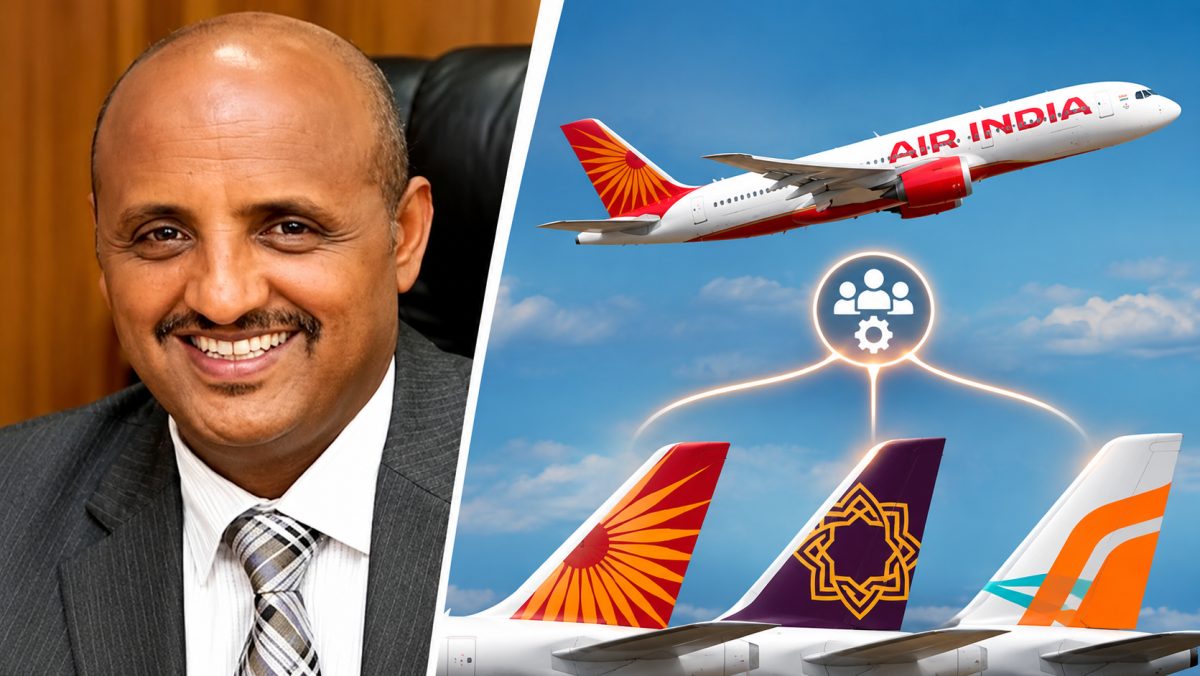

Two airlines, one playbook: here's how Air India's new boss wants to stop the bleeding without merging the brands.
Air India's new chief executive Tewolde Gebremariam unveiled a plan called One Air India Group on November 25, 2026, during an employee town hall in Gurugram. The idea is simple: Air India and Air India Express will share back-end teams and systems, but keep running as two separate airlines with their own licenses and identities.
Tata, Hyundai, Audi Price Hike 2026: Why Your Next Car Will Cost More
One Air India Group Takes Shape At Gurugram Town Hall
View this post on Instagram
Gebremariam stood in front of employees and laid out his first big move since taking charge. He said people and teams will work as one group, drawing on the best capabilities and expertise across both airlines, with the aim of generating synergies. That's not corporate talk for a merger. It's about making two airlines act smarter together without becoming one company.
Air India will stay a full-service carrier. Air India Express will stay the budget option. Both will keep their separate Air Operator Certificates, which are the government licenses that let them fly. Nothing changes there. What changes is who handles the paperwork behind the scenes, like finance, human resources, and technology. Those departments will increasingly report to one group structure instead of two separate ones.
Highest DII Holding Stocks September 2026: HDFC Bank, Reliance Top List
Why Air India Needed A New Plan
The numbers explain the urgency. Air India's consolidated net loss hit ₹22,238.23 crore in FY2026, more than double the ₹10,858.83 crore loss from the year before. Revenue dropped too, falling from ₹78,635.61 crore to ₹71,869.94 crore, even as expenses climbed from ₹89,317.12 crore to ₹93,733.31 crore. Passenger numbers slid from 43.8 million to 36 million in the same period.
Since Tata Group took control of Air India and Air India Express back in January 2022, total group losses have crept close to ₹60,000 crore. That's the backdrop Gebremariam walked into when he became CEO and Managing Director in September 2026. Before the town hall, reports already pointed to rising costs and duplicated roles as the biggest obstacles facing the airline's next phase of transformation.
The Math Behind The ₹6,000 Crore Target
Gebremariam's team is chasing roughly ₹6,000 crore in savings. That money is supposed to come from shared corporate functions, a redesigned flight network, better use of existing resources, and new revenue streams like freighter operations and tour packages. It's a mix of cutting costs and finding fresh income, not just trimming budgets.
The split is deliberate. Customer-facing work, day-to-day flight operations, and anything tied to regulatory compliance stays firmly with each airline under its own AOC. Only the enabling functions, the stuff passengers never see, get pooled together. Finance teams, HR departments, IT systems, and what the company calls centres of excellence will increasingly operate at the group level rather than being duplicated twice over.
What Employees And Industry Watchers Are Saying
Coverage of the announcement has largely framed it as an internal efficiency push rather than anything resembling a takeover or merger. Aviation reporters have zeroed in on one question: can shared services actually cut duplication without messing up the separate economics that make a full-service airline different from a budget one.
No major airline rival has issued a public response yet, and there's been no confirmed reaction from competitors like IndiGo. For now, the story remains an internal one, about whether Tata-owned Air India can tighten its operations fast enough to turn around a business bleeding tens of thousands of crores in losses.
Gebremariam has also flagged operational reliability and on-time performance as priorities alongside the cost cuts. He wants better punctuality, a reworked route network, and stronger customer experience to go hand in hand with the savings target. That's a tall order for an airline still carrying the weight of its FY2026 numbers.
What Comes Next For Air India And Air India Express
The real test starts now. Gebremariam's team has to figure out exactly which roles get merged, which stay separate, and how fast the ₹6,000 crore target can realistically be hit. Reports have already pointed to a broader leadership reshuffle inside Air India as part of this push, suggesting more organizational changes are likely in the coming months.
Analysts and investors will be watching the next few quarters closely. If the group can show smaller losses, better on-time flights, and real progress on that savings number, the One Air India Group plan will look like a smart fix. If costs keep climbing and passenger numbers keep falling, Gebremariam will face pressure to go further than just reshuffling back-office teams. Either way, the next financial results will tell the real story.