
A quiet Gulf weekend turned into chaos as missiles, drones, and burning buildings made the US-Iran standoff impossible to ignore.
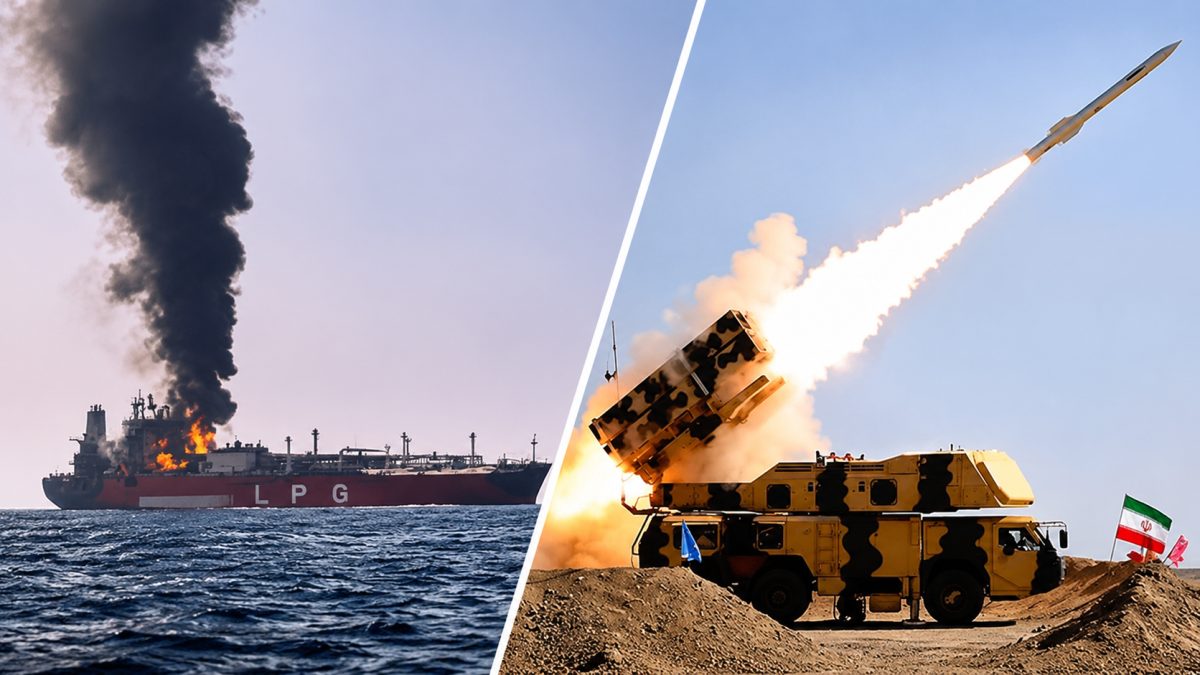
Iran launched a wave of missile and drone attacks against Bahrain on Saturday, November 21, 2026, hitting a civilian industrial facility and striking near four US bases, while separate attacks damaged oil tankers close to the Strait of Hormuz. Bahrain's government confirmed a fire broke out but said no one was hurt.
Iran Tankers Hit Mines in Strait of Hormuz, Three Ships Burn in One Day
Iran attacks Bahrain in two separate waves
Bahrain said an Iranian strike hit a civilian industrial facility on Saturday, starting a fire but causing no injuries. Civil Defence crews rushed to the scene while the Interior Ministry managed the response. The exact building and how badly it was damaged were not made clear in official statements.
At the same time, Iran's Revolutionary Guard said it fired missiles and drones at US military positions inside Bahrain, home to the US Navy's Fifth Fleet headquarters. According to Euronews, two separate waves targeted four American bases in the kingdom. Bahrain's air defenses intercepted several of the incoming attacks, though falling debris from the interceptions caused property damage on the ground.
Bahraini officials called Iran's behavior a “systematic hostile approach” toward the kingdom. It's a sharp line from a government that has now reported multiple Iranian strikes in less than two weeks, each one testing how far Tehran is willing to push its campaign against American forces stationed on Bahraini soil.
US Aircraft Evacuated RAF Mildenhall Iran Threat: 13 Planes Flee UK Base
Oil tankers hit near the Strait of Hormuz
The violence didn't stop on land. At least three oil tankers were attacked in or near the Strait of Hormuz on the same Saturday, according to Euronews. The United Kingdom Maritime Trade Operations organization reported that two of those vessels were struck by projectiles while trying to leave the Persian Gulf through the strait.
Nobody has confirmed the tankers' nationalities, whether any crew members were hurt, or who exactly fired the projectiles. But the strait is one of the world's busiest oil routes, and any attack there tends to ripple through global shipping and energy markets fast.
Iran appears to be preparing a bigger move too. More than 14 Iranian tankers were reportedly gathered near Kharg Island, getting ready to sail in the coming days. Iran's deputy foreign minister, Kazem Gharibabadi, said the US blockade of Iranian ports "is a hostile act and we will take any necessary measures to break this economic siege."
How the fighting escalated over the past week
This didn't come out of nowhere. On Tuesday, November 17, Iran fired drones at a US radar installation in Bahrain. The United States hit back the same day, with a fighter jet striking a Revolutionary Guard missile-launch site on Qeshm Island, right along the Strait of Hormuz. A US official described it as a self-defense strike against Iranian aggression toward American personnel.
Iran responded by widening the fight. On Wednesday, November 18, it targeted a US air base in Kuwait and launched more attacks toward Bahrain. The Associated Press reported that the early morning strikes looked like retaliation for the American hit on Qeshm Island a day earlier. Bahrain again said its defenses intercepted incoming attacks.
All of this sits inside a much longer war. The US and Israel launched a military campaign against Iran back in February 2026, according to Reuters, and the region has been stuck in what analysts call a “no war, no peace” standoff ever since. Iranian President Masoud Pezeshkian recently described the pressure on his country as a “silent economic war” that he said was “tougher than a war with missiles.”
Gulf nations and US forces brace for more fighting
Bahrain has leaned hard on its air defense systems and Civil Defence teams in recent days, responding to repeated incoming attacks while trying to keep casualties at zero. So far, that effort has worked, despite multiple strikes landing close to populated and industrial areas.
The United States has also been building up its presence. CNN reported that a third American aircraft-carrier strike group entered the US Central Command region, expected to help enforce the naval blockade on Iran and escort commercial vessels through dangerous waters. That buildup suggests Washington expects more trouble, not less, in the days ahead.
Commercial shipping companies now face a tougher calculation. With tankers already hit near Hormuz, insurance costs and shipping delays are likely to climb, even though no official figures on price changes have been released yet. Vessels moving through the strait are operating in a genuinely dangerous corridor right now.
What could happen next in the Gulf standoff
The biggest flashpoint on the horizon is Iran's tanker fleet near Kharg Island. If those ships try to break through the US blockade in the coming days, it could trigger another direct confrontation between Iranian and American forces at sea.
There's no sign of peace talks, a ceasefire date, or any formal diplomatic process in the works. Instead, the pattern over the past two weeks points to continued tit-for-tat strikes, with Bahrain, Kuwait, and shipping lanes near Hormuz all remaining likely targets. Whether the US responds to Saturday's attacks with another strike inside Iran is the next thing to watch.