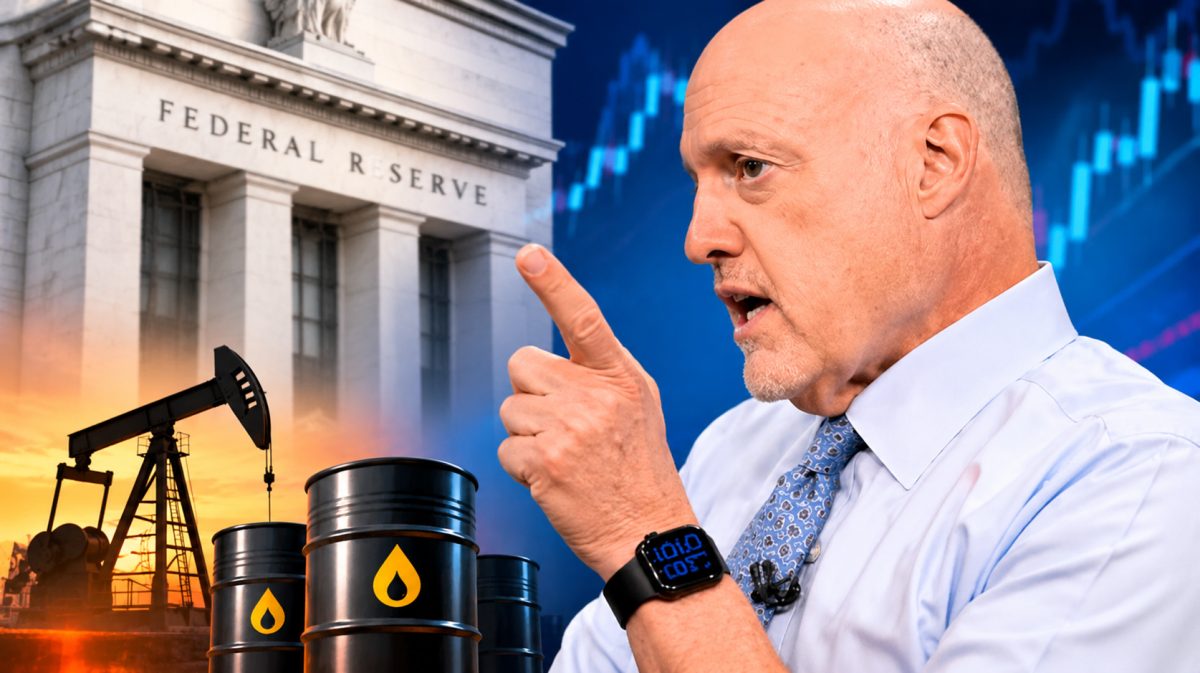

CNBC's Jim Cramer thinks oil prices are quietly doing the Fed's job for it, so there's no need to swing a bigger hammer in December.
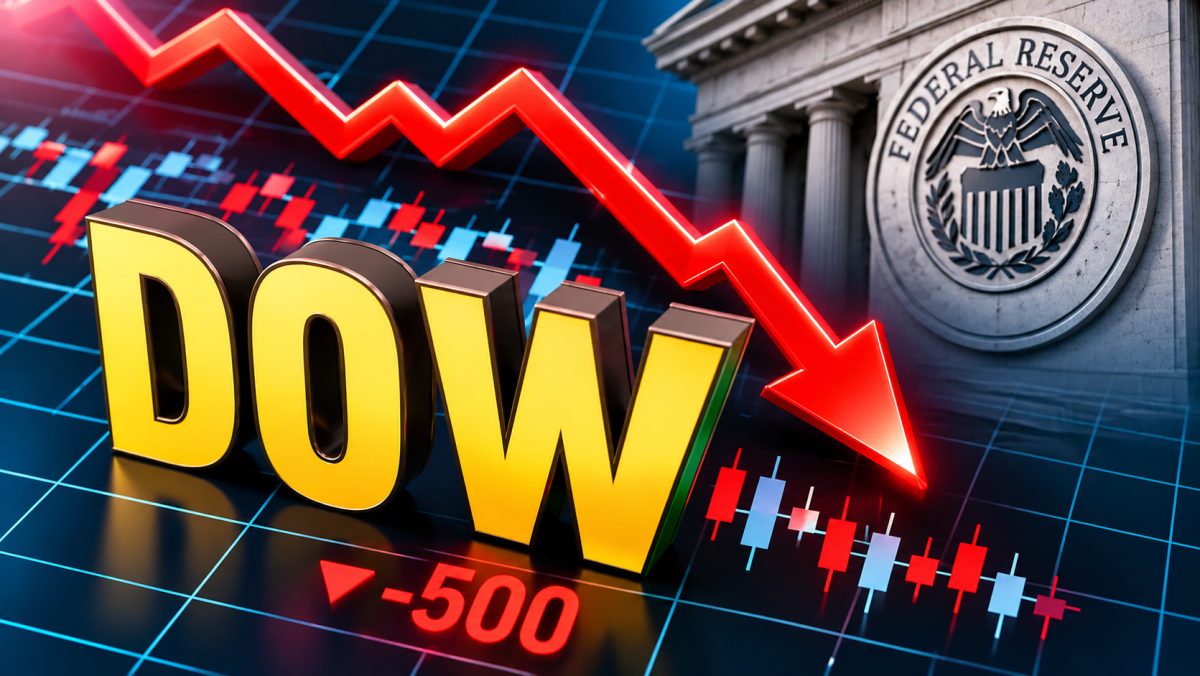
Jim Cramer said on November 20, 2026, that the Federal Reserve should not raise interest rates by more than 25 basis points, arguing that high oil prices are already squeezing consumers and showing up in inflation data. He made the comment in a post on X that was later reported by Yahoo Finance and other outlets on November 21.
SEBI Tenure Limit for Exchanges Could End Long Reigns at Top Market Jobs
Jim Cramer Fed 25 Basis Points Argument Explained
Cramer's reasoning centers on something simple. Oil is already baked into the numbers that measure inflation, so the Fed does not need to overreact. He wrote: "Here's the real economy; oil is embedded and really hurting the CPI. The Fed doesn't need to do more than 25; its point is being made."
He pointed to copper as a second piece of evidence. Copper is a key material in electrical wiring, construction and data centers, and Cramer said its price should not be falling if the economy were truly overheating. His words were blunt: "Copper--big in data centers still-can't collapse like this into an inflation fed boom." He closed his post with a short demand aimed at energy markets: "Now oil must come down."
AMD Shares China Scrutiny Grows After Short Seller's Firmware Bombshell Report
Inflation Numbers Behind the Jim Cramer Fed 25 Basis Points Debate
The backdrop here is a federal funds rate that was already sitting at a high level. As of November 20, 2026, the target range stood at 3.75% to 4.00%, with the upper bound at 4.00%. The Fed had raised rates in September, its first increase in three years, then held steady in October.
Core PCE inflation, which strips out food and energy costs, rose 0.3% in September. That number stayed above the Fed's long-standing 2% target. It matters because policymakers often look past gas and grocery swings to judge whether inflation is settling into the broader economy. Cramer's point is that even with oil doing heavy lifting on headline inflation, the underlying core numbers still show pressure, which is exactly why he believes a modest quarter-point move is enough rather than something larger.
Fed Officials Split Over How Far To Go
Not everyone inside the Federal Reserve agrees with a cautious approach. Reporting around the central bank's internal debate named Governor Christopher Waller as someone who suggested the Fed might need to "shock people" with a half-point increase. Governor Lisa Cook was described as supporting continued rate increases to bring down inflation that remained elevated.
On the other side, Federal Reserve Governor Michelle Bowman said in a November 10 speech that she supported holding the federal funds rate at 3.75% to 4.00% after the October meeting. She said the decision reflected a need to wait "until we had a better understanding of how conditions would evolve and how the recent rate increase would influence the underlying trends in the economy." Minutes from the October meeting, reported on November 19, showed that nearly all officials expected a quarter-point hike in December, while some had pushed for a bigger move in October and two had floated the idea of a half-point increase next.
What A Quarter-Point Move Would Signal For Markets
Cramer's position lands closer to the cautious end of that spectrum, matching what minutes described as the view held by nearly all officials heading into December. His argument is less about whether the Fed should act and more about scale. He is telling investors that the central bank has already sent a strong signal with its earlier moves, and that piling on a larger increase risks punishing an economy that is showing cracks elsewhere.
The falling price of copper is the detail he keeps returning to. Copper demand is closely tied to construction, manufacturing and the ongoing buildout of data centers tied to artificial intelligence. If copper were genuinely reflecting a booming, inflation-heavy economy, Cramer argues, its price should be rising, not falling. He sees that disconnect as proof that conditions are softer than headline inflation numbers suggest, which strengthens his case for restraint.
What Comes Next For The Fed's December Decision
The Federal Reserve's December 2026 meeting is the next major test of this debate. Minutes already pointed toward a quarter-point increase as the expectation among most officials, which would align with what Cramer is calling for. But the final call still depends on data that had not fully arrived by late November, including how oil prices move, whether core inflation cools, and whether copper's slide continues or reverses.
If oil prices drop as Cramer predicts, headline inflation could ease on its own, giving the Fed room to stick with smaller moves. If core inflation stays stubborn even without oil's push, officials like Waller and Cook may find more support for a tougher stance. Either way, the gap between Cramer's call for restraint and the more aggressive voices inside the Fed sets up December as a pivotal moment for anyone watching where borrowing costs head next.